When Lucy Goldbart launched her studio, she did not begin with a marketing strategy, a pipeline of clients, or a portfolio of completed projects. Instead, she started with a belief that she was ready to lead projects on her own and a willingness to create opportunities rather than wait for them.
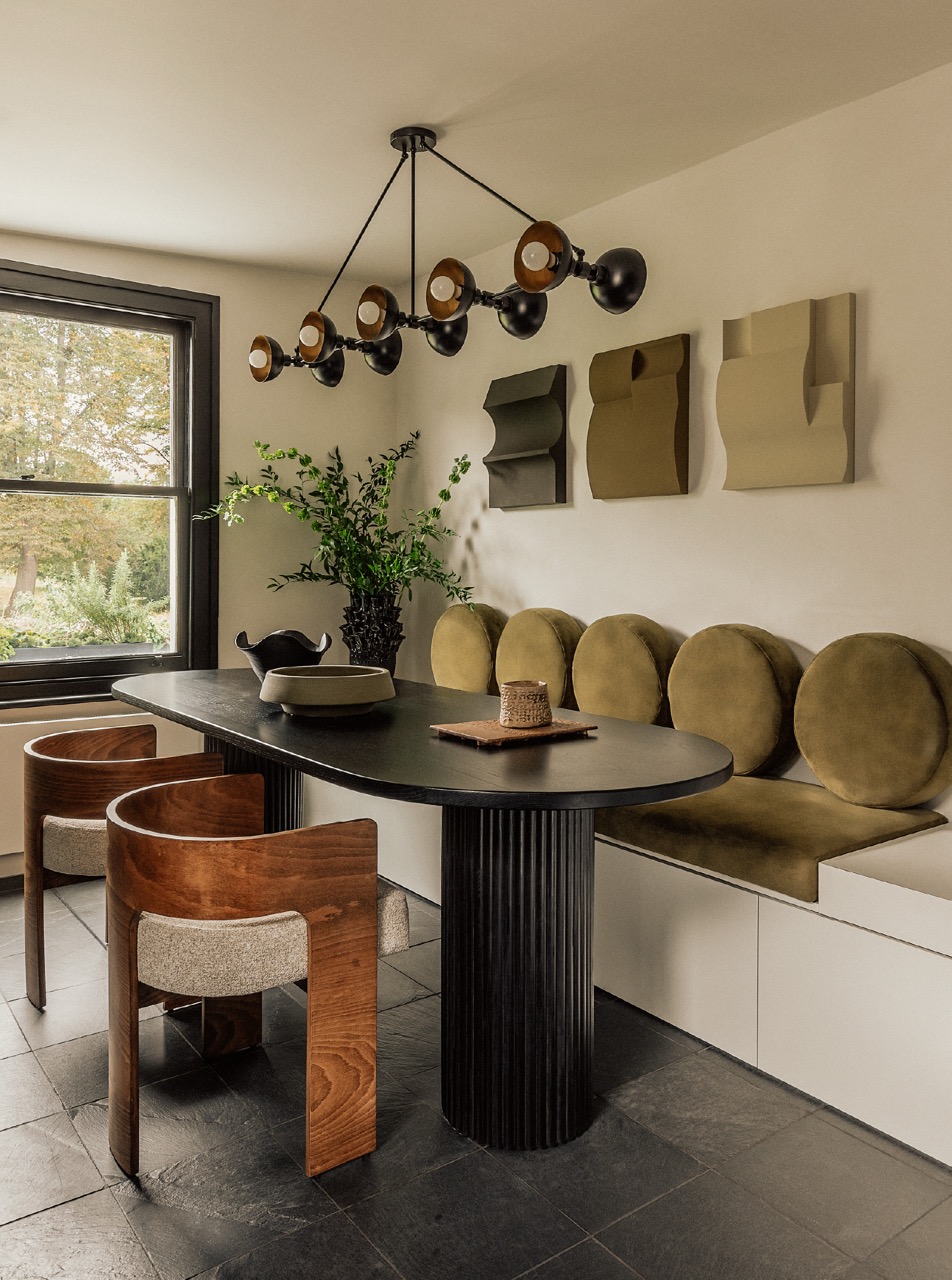
Four and a half years later, that decision has grown into a studio working across the UK, the Caribbean, and the United States, with projects ranging from private residences to large scale new builds. While the work has expanded internationally, the foundation remains the same: thoughtful design, careful research, and spaces that feel as good to live in as they do to photograph.
Creating the Opportunity
Before launching her own firm, Goldbart spent six years working in London based design studios, building experience and learning both the creative and operational sides of the industry. She always knew she wanted to start her own company, but she was waiting for the right project to make the leap.
That opportunity arrived in an unexpected way.
After hearing about a family purchasing land on a private island in Antigua, she put together a complete design vision and sent it as a cold proposal.
“I basically sent them like a full vision of what they could do.”
The initial response was a polite rejection. Six months later, they called back.
“Actually, we are interested.”
Once the project was secured, she handed in her notice the next day and began building the business around what would become a multi year project.
“I didn’t want a tiny project. I wanted something meaty enough that would actually set me up for a long term company.”
Growing Through Word of Mouth
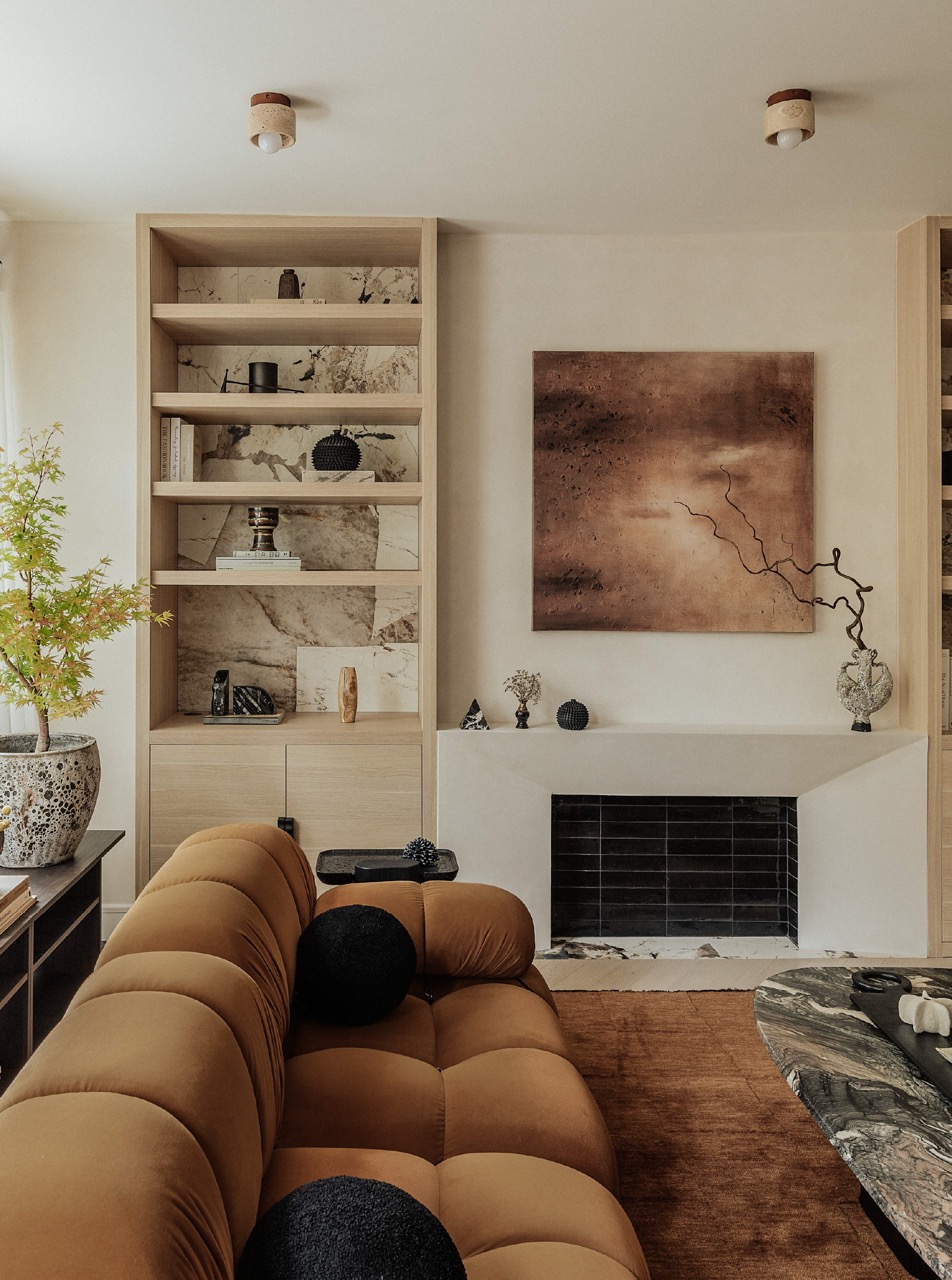
Unlike many young firms, Lucy Goldbart Interior Design spent its first years focused almost entirely on project work rather than promotion.
“We didn’t actually get around to doing any PR or marketing.”
At the time, Goldbart was managing the projects herself and simply did not have the capacity to do both.
As a result, much of the firm’s growth came through referrals. One project led to another, including a significant new build in Miami that became the studio’s second major commission.
“It’s kind of just gone from there.”
Only after projects began reaching completion did the studio start investing time in photography, publishing, and building visibility.
Designing Beyond Location
With projects spread across multiple countries, Goldbart approaches every commission with a strong focus on context. Before thinking about furniture or finishes, she studies the practical realities of a location, from climate conditions to local materials.
On Caribbean projects, salt air and humidity influence material choices. In urban environments, the surrounding culture and history often shape the design direction.
Before beginning detailed design work, the studio develops what it calls a look and feel presentation, a concept driven exercise that focuses on atmosphere rather than specifications.
“We try and summarize the vibe we want.”
For Goldbart, understanding a place means understanding how people live there, what they value, and how the environment shapes daily life.
Pushing Clients Beyond Their Comfort Zone
One of the themes that emerged throughout the conversation was Goldbart’s belief that designers should challenge expectations.
“I think it’s my job to take what the clients have in their mind and push it further.”
That does not mean ignoring a client’s vision. Instead, it means finding ways to expand on it and introduce ideas they may not have considered themselves.
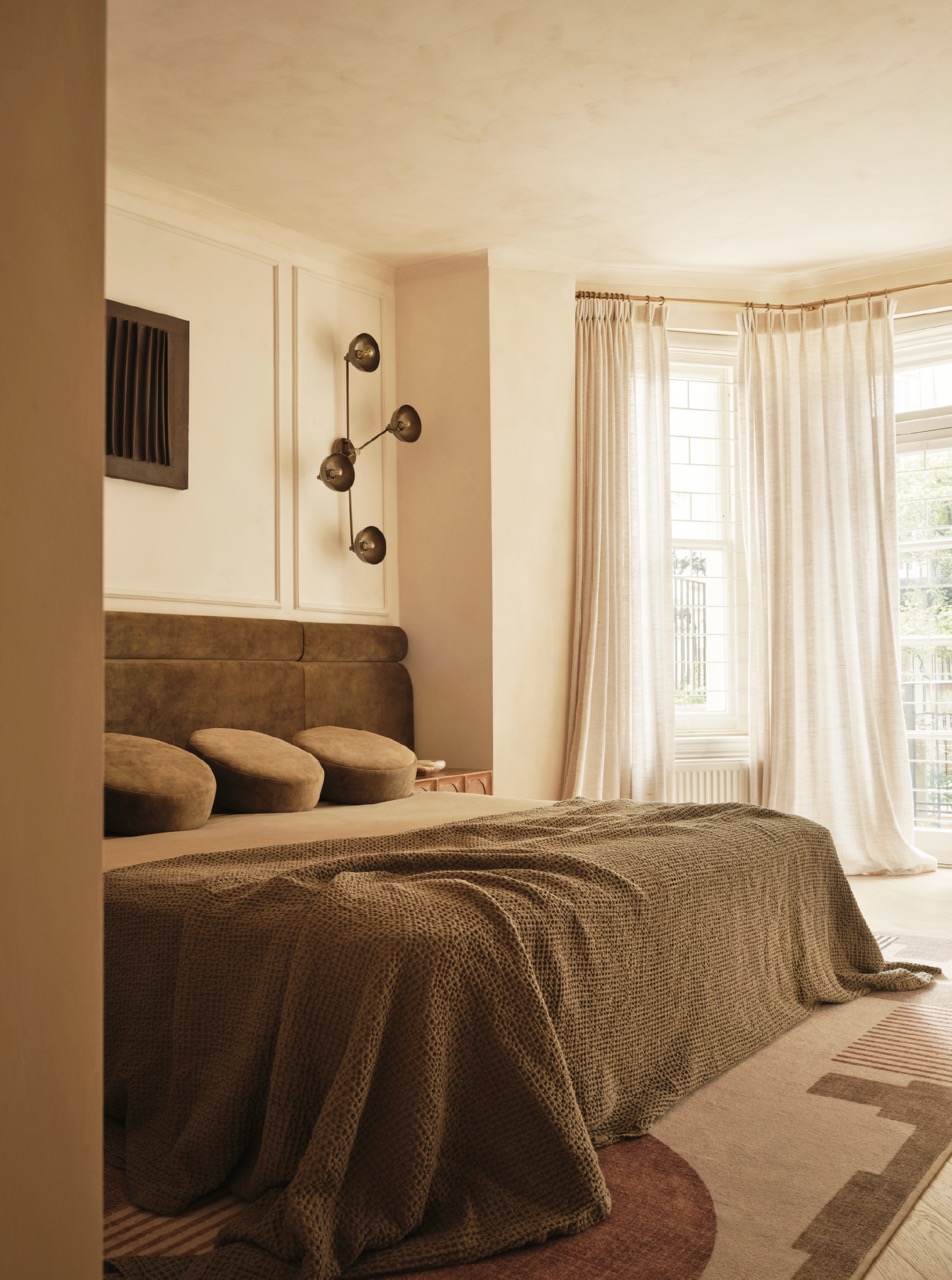
Sometimes that means introducing richer materials, stronger color palettes, or more sculptural elements. Other times it means using smaller spaces as opportunities for experimentation.
One of her favorite examples is a powder room wrapped in multiple tones of marble, combining reds, oranges, purples, and ochres in a patchwork composition.
“It’s one of my favorite rooms I’ve ever designed.”
For Goldbart, the most rewarding projects are often the ones where clients are willing to embrace a little uncertainty and trust the process.
Luxury That Feels Lived In
While each project is shaped by its location and client, Goldbart has gradually identified a common thread running through her work.
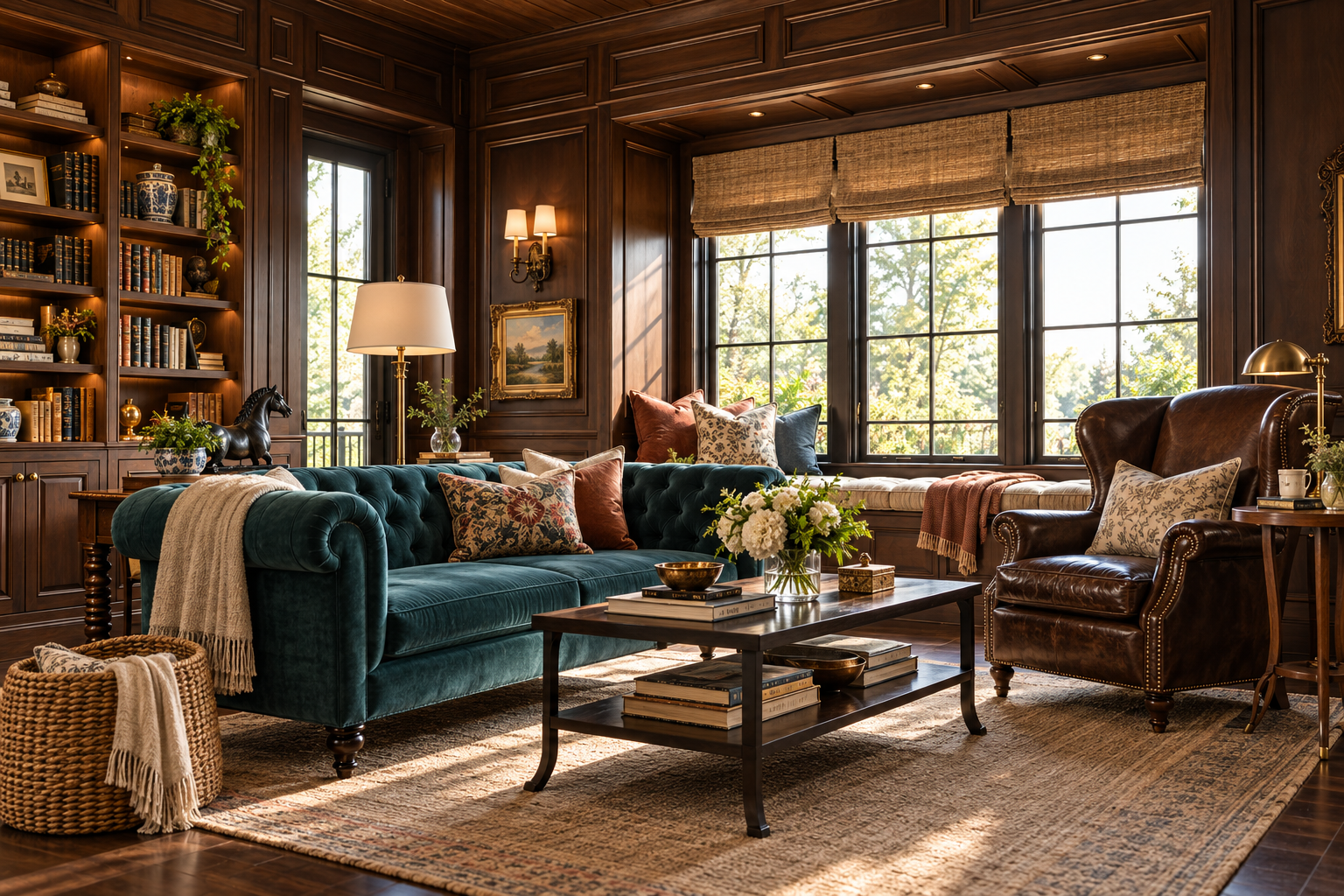
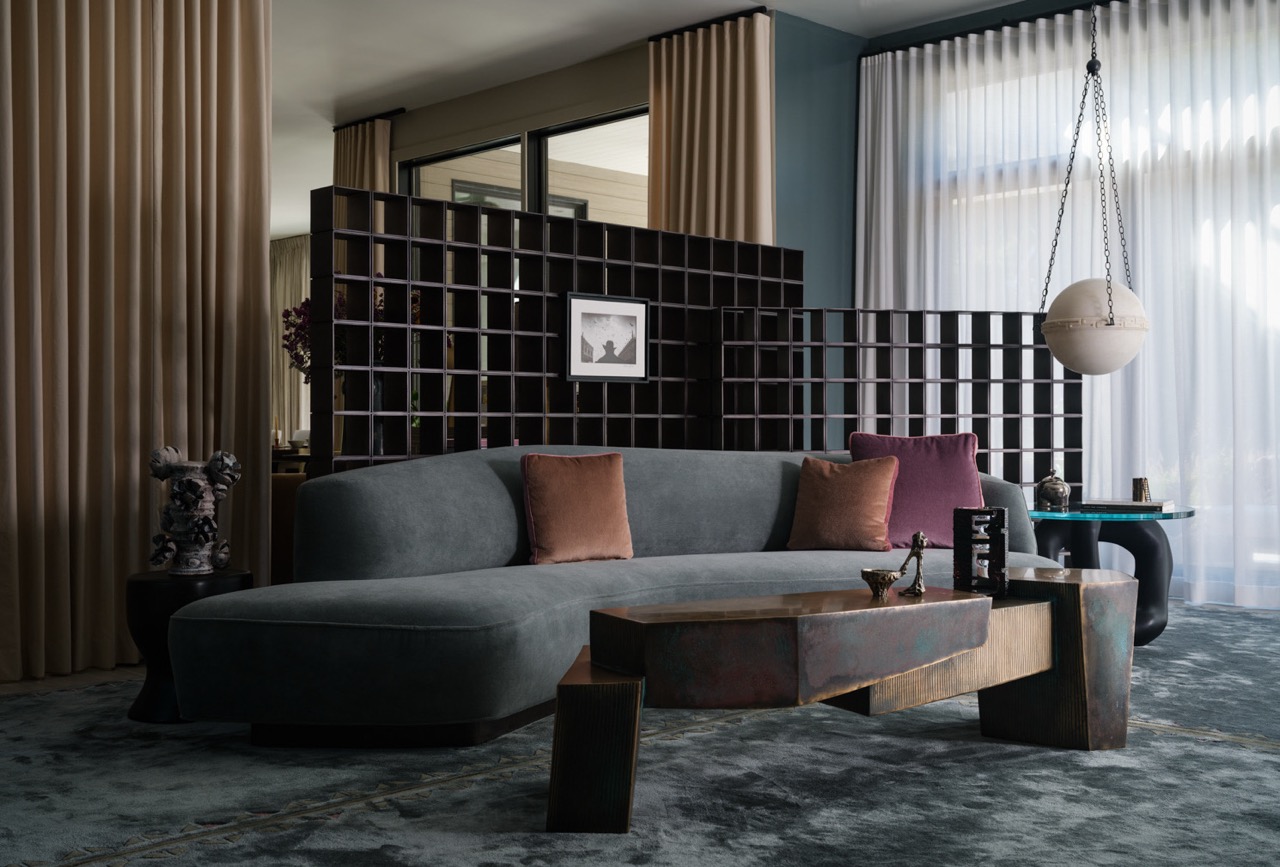
She describes the studio’s approach as an effortlessly cool luxury aesthetic.
“I never want a space to feel too formal, too finished.”
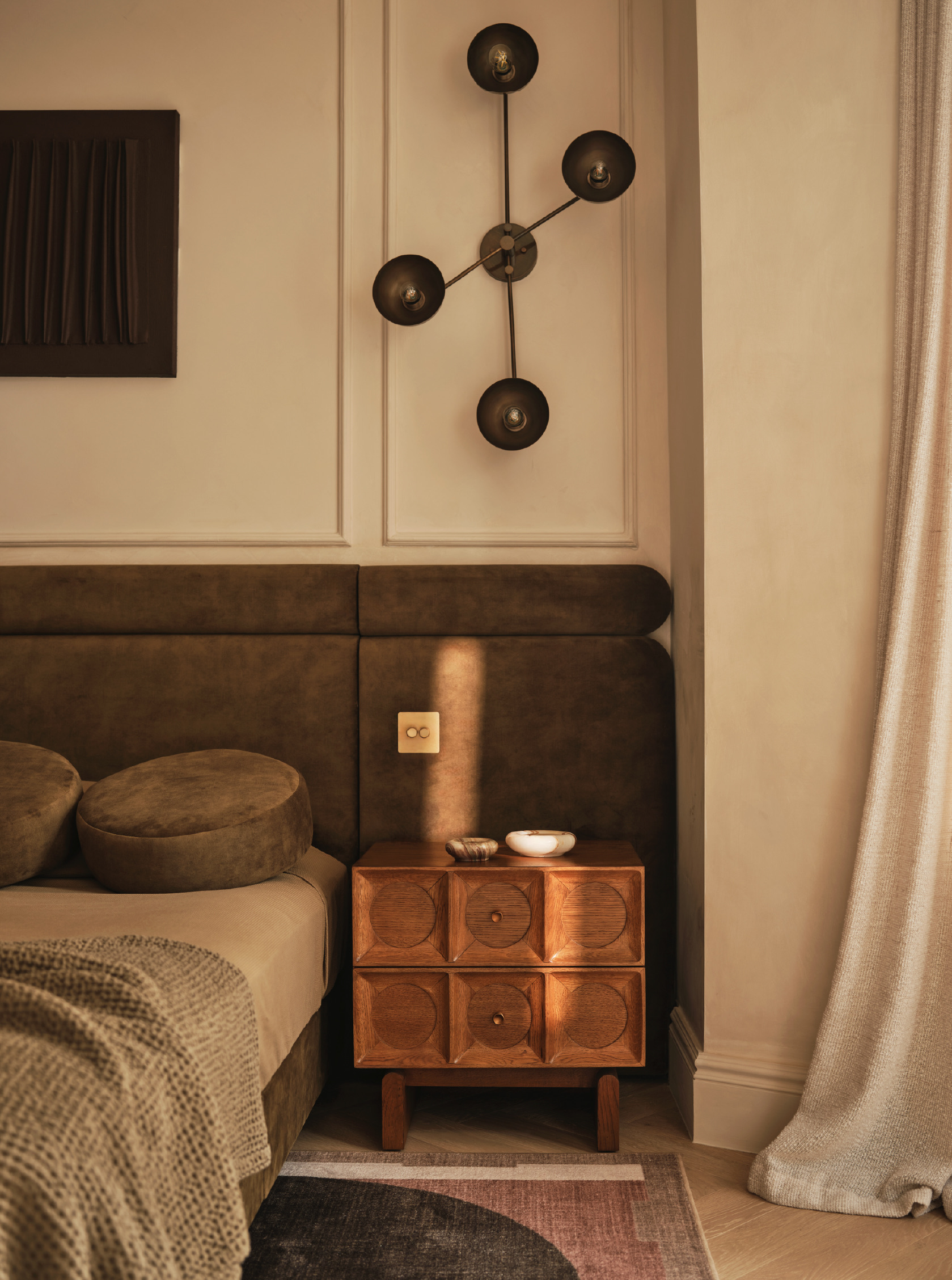
Whether working with stone, custom furniture, or highly detailed finishes, the goal is never perfection for its own sake. Instead, she wants homes that feel beautiful while still encouraging people to relax and live comfortably within them.
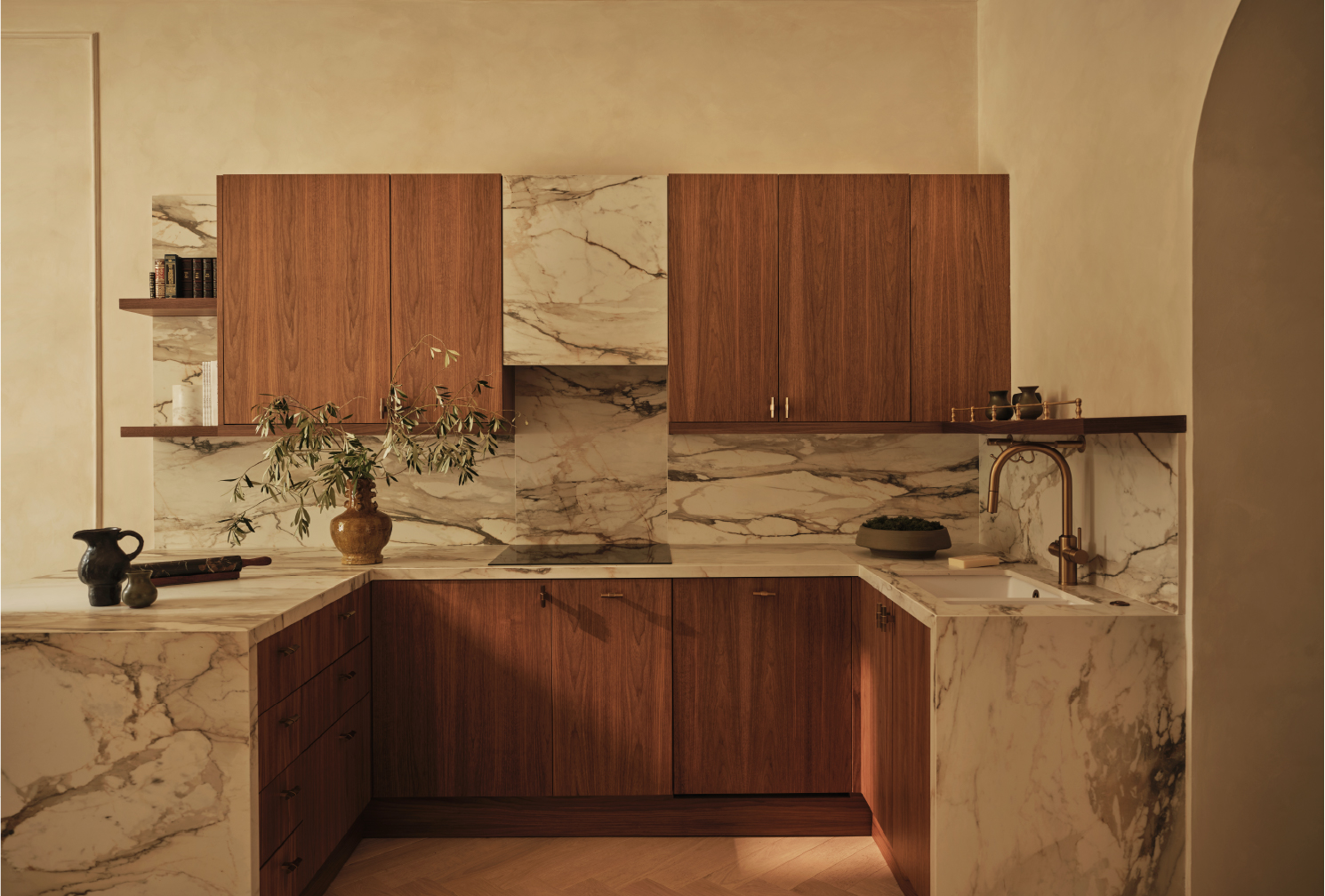
“I love marble, but I want you to just put a drink down.”
For Goldbart, great design should elevate everyday life, not make people afraid to enjoy it.
Celebrating the Wins
As the studio has grown, Goldbart has become increasingly intentional about recognizing milestones along the way.
One moment that stands out was being named to Homes & Gardens’ the next 25 list of emerging interior designers, a recognition that became her first major piece of press coverage.
“I’ve got it framed on the wall.”
Rather than immediately moving on to the next goal, she believes in taking time to acknowledge progress.
“I think you need to celebrate the wins. Otherwise, you just keep working without realizing how much you’ve accomplished.”
That perspective reflects the same balance she continues to pursue throughout her business: ambition paired with appreciation, growth paired with perspective, and beautiful spaces designed to be fully lived in.