Michelle Murphy did not enter interior design through a carefully mapped career plan. Growing up around art and entrepreneurship gave her two very different influences, and for a time, it was not clear which one would shape her future. Her mother was an artist who ran a nonprofit gallery, while her father encouraged her toward business. What initially felt like competing directions ultimately became the combination that helped Murphy build her own design practice.
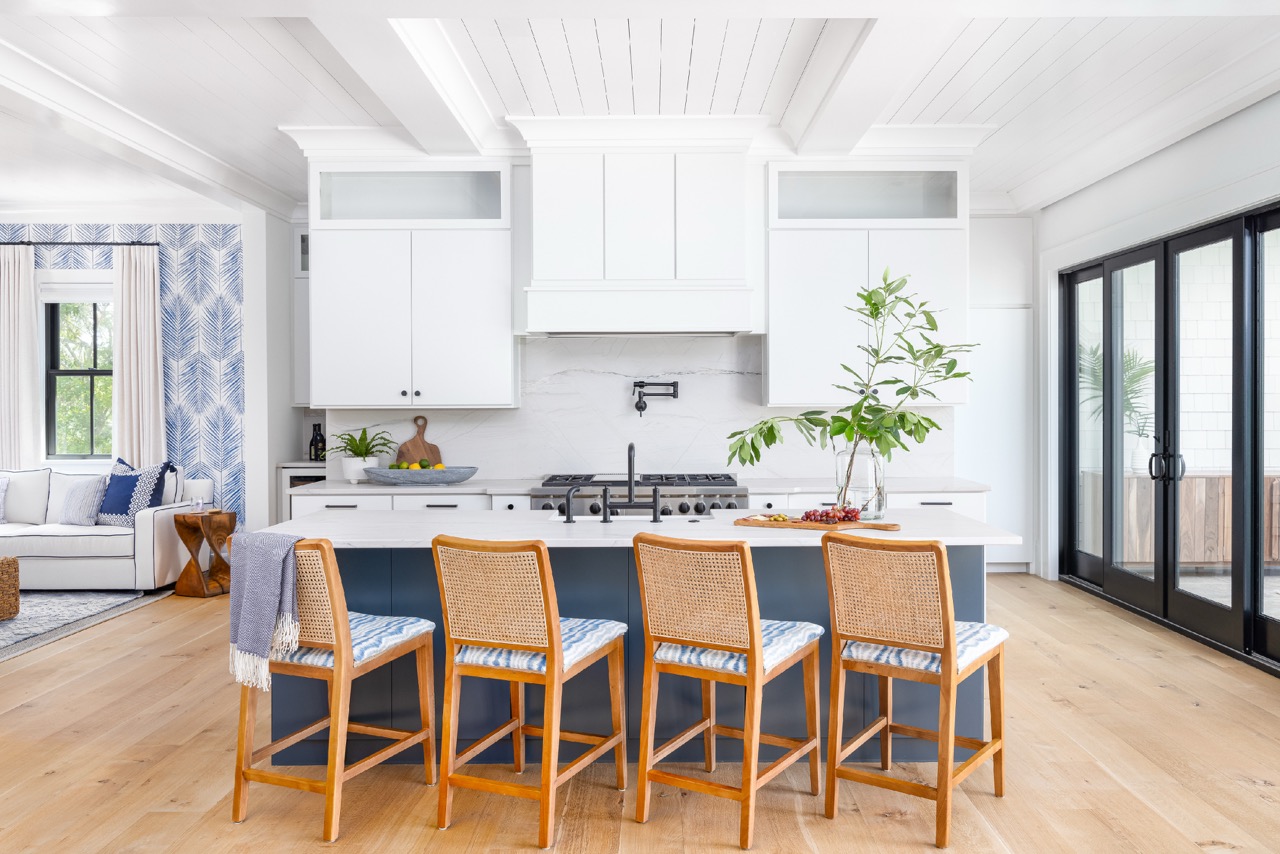
Today, that practice extends across the country, with projects ranging widely in location, architecture, and aesthetic. Rather than developing a signature look that gets repeated from one home to another, Murphy approaches each project through the people who will live there. That flexibility, paired with a willingness to solve problems creatively and trust her instincts, has remained central to her work as the business has grown.
From the Art World to Interior Design
Murphy’s earliest creative experiences came through her mother. As a teenager, she worked at the nonprofit art gallery her mother ran, helping wherever she was needed and gaining early exposure to artists and their work. Her father, an entrepreneur, had a different vision and encouraged her to study business instead.
After beginning with business courses at community college, Murphy took art classes and won an award for one of her paintings. That accomplishment helped convince her father to support a move to art school, and she transferred to Moore College of Art and Design in Philadelphia. The business education she had resisted would eventually become surprisingly important.
After school, Murphy completed a short internship with a Manhattan designer but found herself questioning whether the profession was right for her. She returned to something familiar and began working in an art gallery, eventually becoming its director. Then an ordinary request changed the direction of her career.
Designers working on an HGTV showhouse visited the gallery looking to borrow artwork. Murphy delivered a sculpture to the property, started talking with the woman overseeing the showhouse, and was unexpectedly offered a space of her own to design. She transformed a room off the kitchen into a wine cellar and tasting room, then was invited to take on additional areas of the house.
Murphy worked the showhouse, met prospective clients, and recognized an opportunity. Instead of focusing on individual rooms, she decided she wanted to build a business around complete homes where she could shape the project as a whole. The combination of art and business that had once seemed at odds had finally found a shared purpose.
Building a Practice Around the Whole Home
Murphy’s first studio was considerably less glamorous than the projects she was beginning to design. Working from an approximately 800 square foot home in Hoboken, she stored design materials and tools in a walk in closet and worked alongside a close friend from her art school years. Together, they took on projects throughout New York and New Jersey while Murphy continued developing the confidence to trust her own ideas.
That confidence became one of the most important lessons of her early career. Interior design requires clients to believe in decisions they may not fully understand until the finished space comes together. Murphy learned that before clients could trust her vision, she had to trust it herself.
As her clientele grew, the work began following her beyond the region. Professional athlete clients who were traded or relocated asked Murphy and her team to design their next homes, creating opportunities in new states and forcing the firm to develop systems for managing projects remotely. Rather than transporting every installer and subcontractor from one market to another, the team learned how to identify reliable local receivers, tradespeople, and other partners.
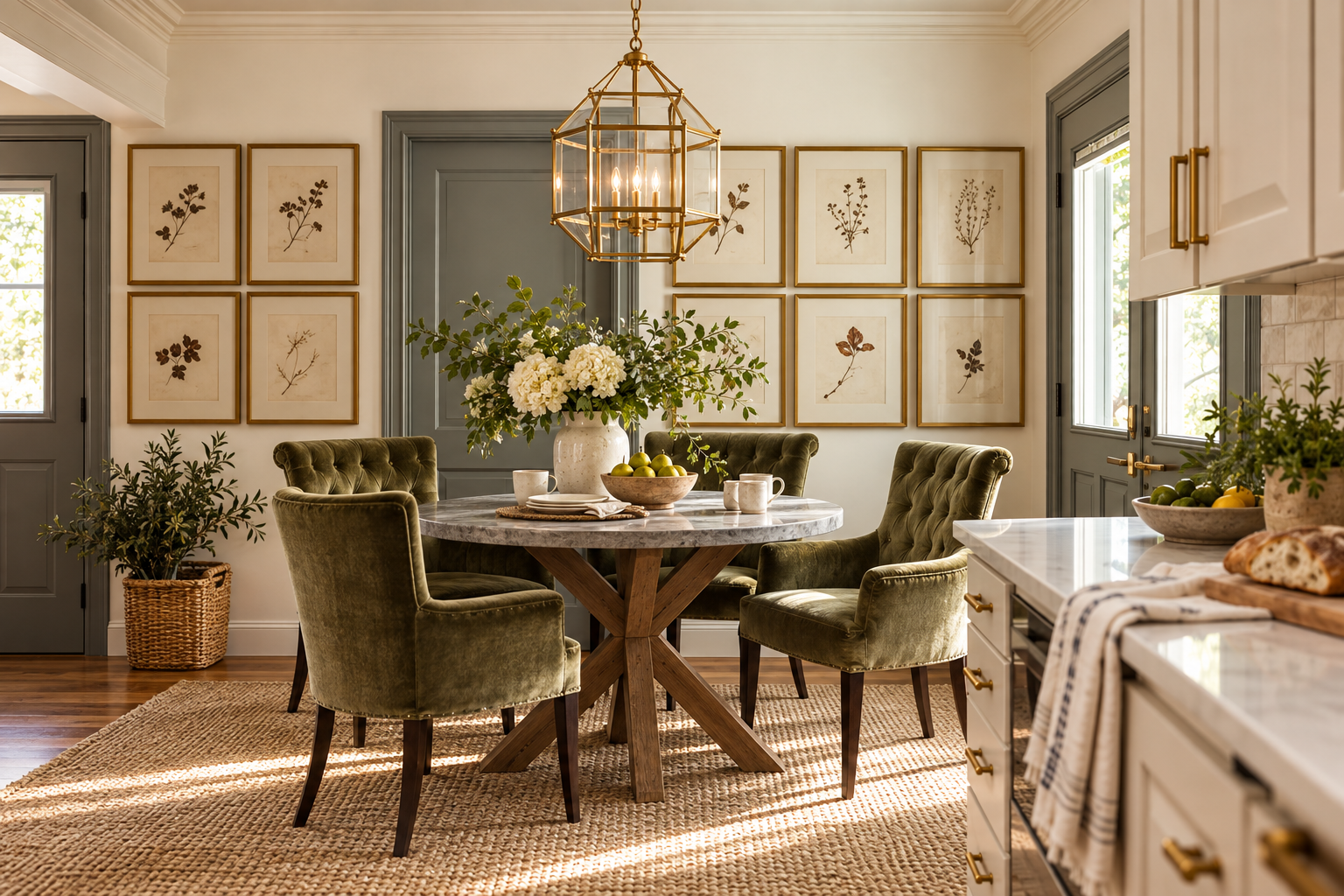
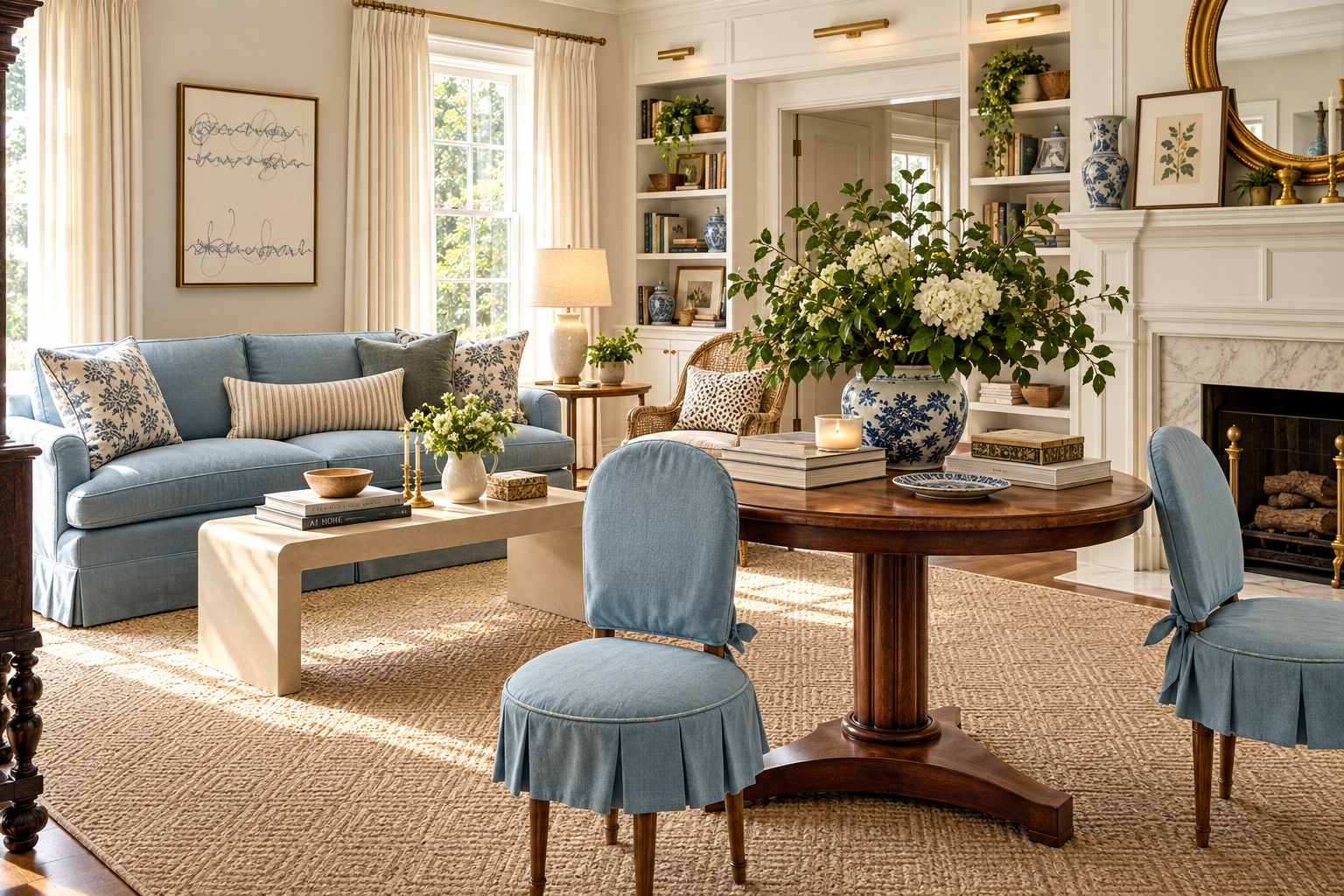
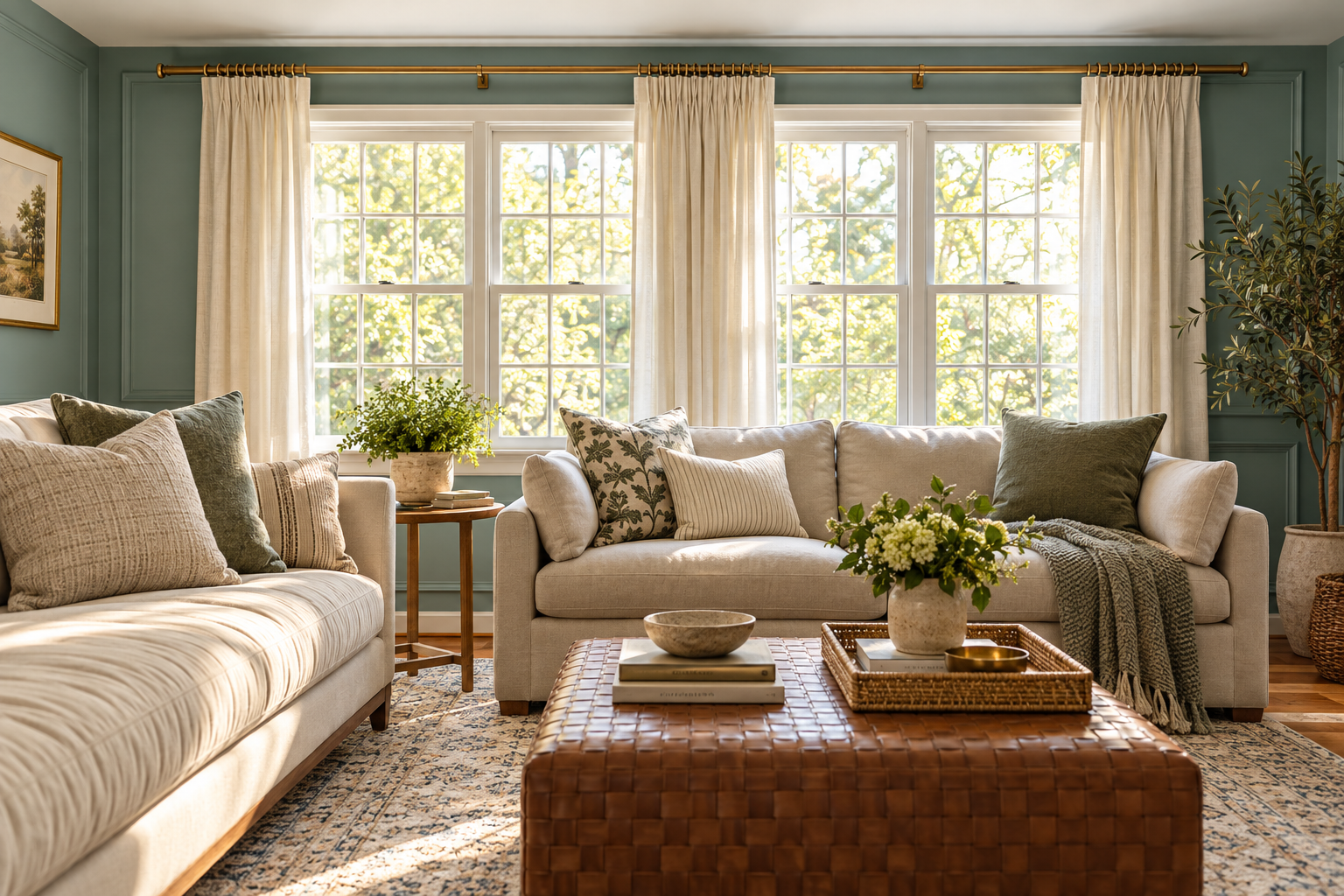
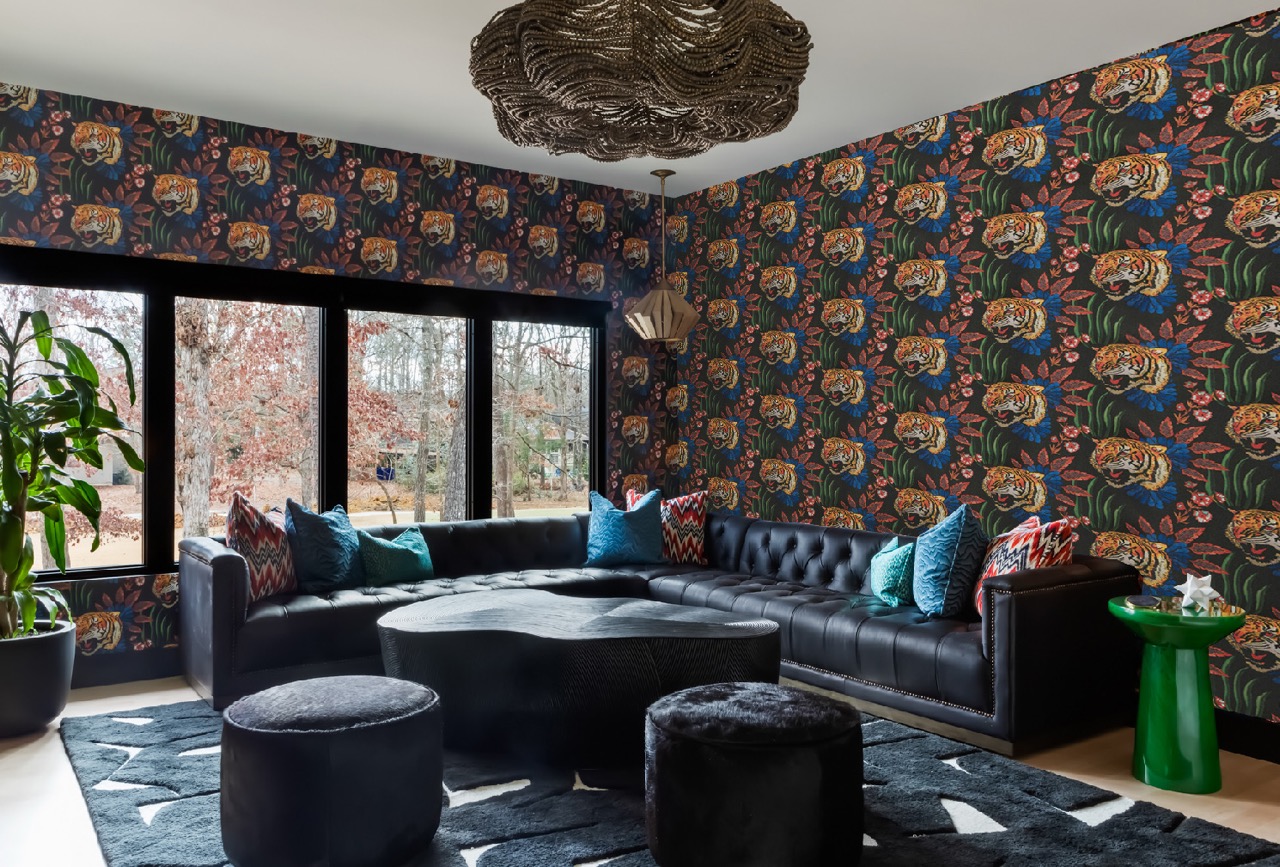
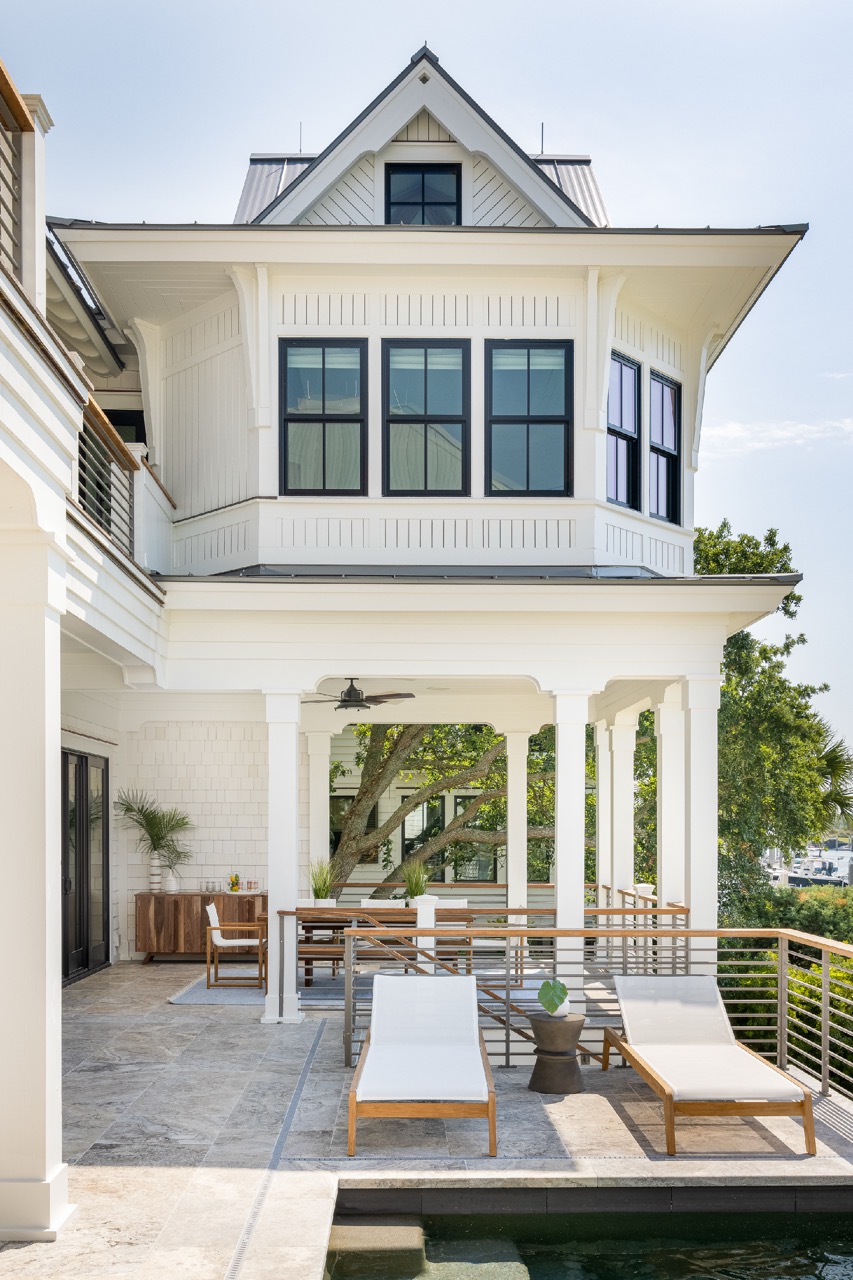
The result is a practice capable of working across dramatically different locations and styles. Murphy has designed homes with French influences, modern interiors, coastal properties, and projects shaped by clients arriving with ideas from other parts of the country. For her, that variety is part of what keeps the work interesting.
Designing for How a Client Wants to Feel
Despite working in different regions, Murphy does not believe geography is the primary force shaping her interiors. The client is.
She spends time understanding what clients genuinely love, how they want to live, and what makes them feel comfortable in their surroundings. The objective is not simply to create a visually impressive room. Murphy wants a home to feel safe, warm, personal, and deeply connected to the people living there.
That philosophy has created relationships extending across multiple homes and many years. Some clients have taken the firm with them from state to state, returning each time they move or begin another project. One longtime client called Murphy after her husband had finally spent several consecutive days in a recently completed home. His reaction was simple: the house felt like a huge hug.
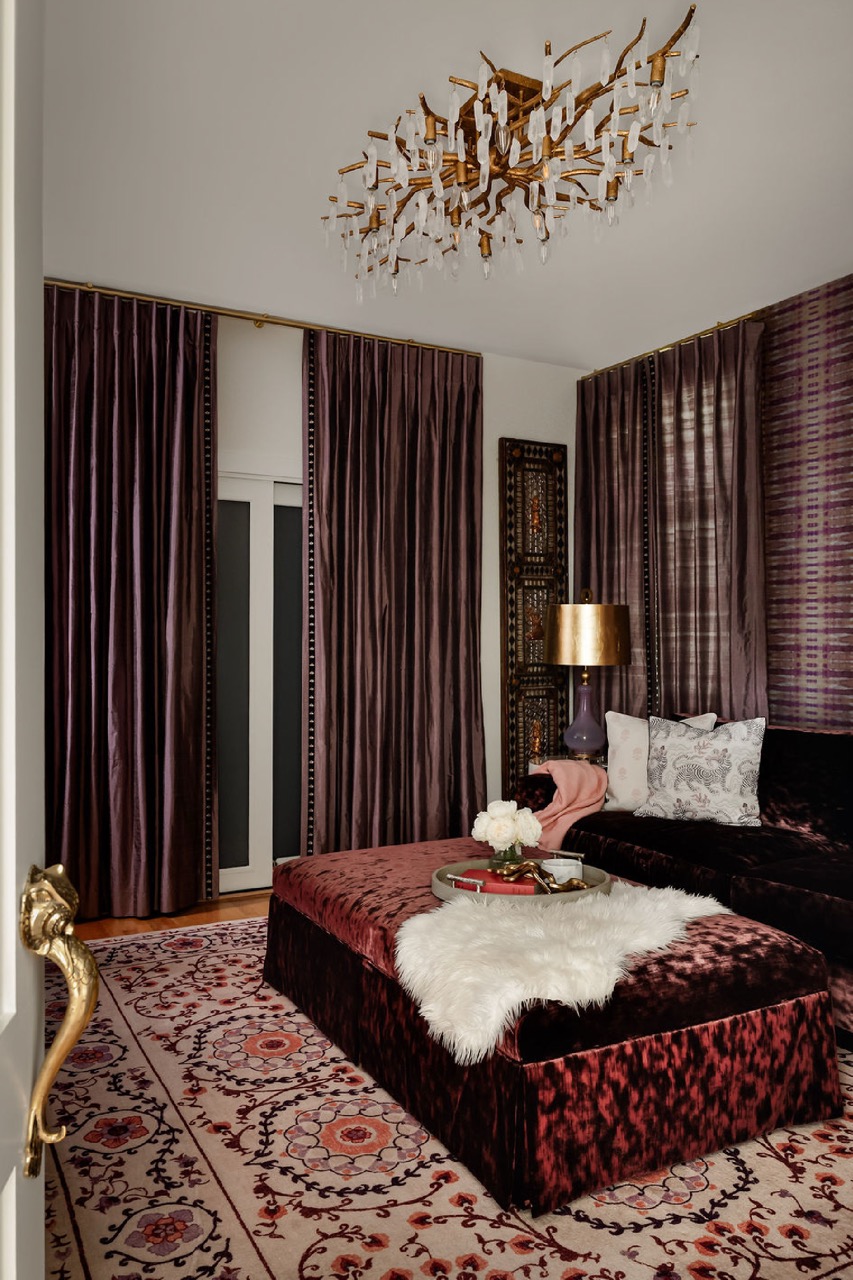
For Murphy, moments like that are the reason for doing the work. A home begins as an empty or relatively neutral environment and gradually gains personality, depth, color, texture, and the layers that make it belong to someone. The finished photographs matter, but the emotional response of the people who live there matters more.
That client centered approach also explains the range visible in Murphy’s work. She does not want every project to look the same. She is drawn to the challenge of interpreting different people, architectural settings, and ideas while still bringing her own eye and experience to the process.
Making the Idea Happen
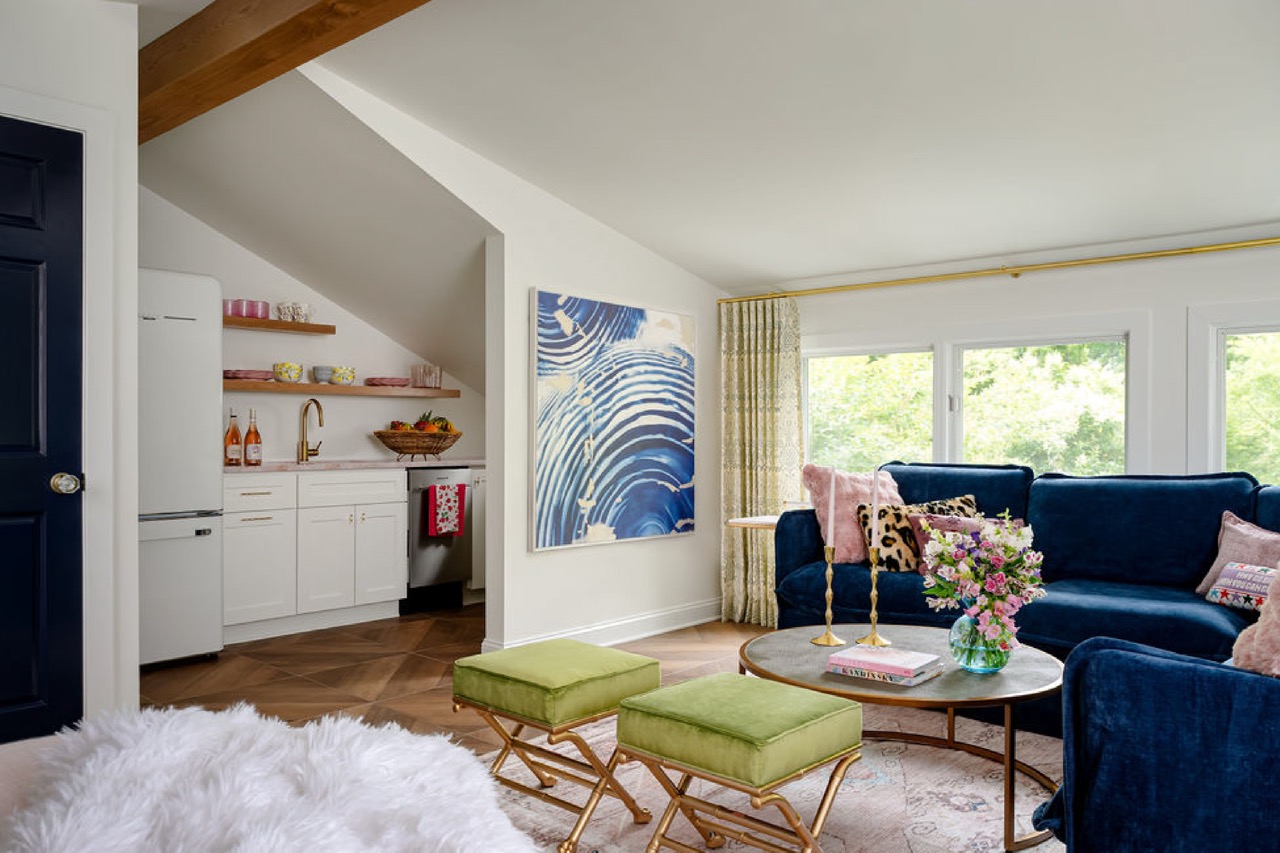
Murphy’s creative process is fast, intuitive, and highly visual. She can move rapidly through samples and materials, connecting ideas and making decisions as a project takes shape. Years of working with fabrics, wallpaper, tile, furniture, art, and vendors have created a large internal library of references she can draw from while designing.
That instinct also makes her unusually willing to create something herself when the right piece does not exist. If she has a specific artwork in mind and cannot find it, she may paint it. Her art school training exposed her to painting, metalwork, welding, woodworking, pottery, and other disciplines, giving her both the curiosity and practical confidence to consider making what a space needs.
The question she returns to is straightforward. If the element is important to the room and no one has made it, why can it not be made?
Experience has also taught her when to stop. Murphy credits her team with helping her recognize the difference between a creative challenge worth pursuing and an idea that would stretch her too far. That balance is increasingly important as the scale and complexity of the firm’s work grows.
Murphy is equally aware that creativity cannot always be forced. Managing numerous projects, subcontractors, schedules, and problems across different states can create stress that makes designing more difficult. When that happens, she has learned to step away, reset, meditate, breathe, or take time outside the studio rather than demanding an immediate creative solution.
Growing Without Losing the Relationships Behind the Work
For more than two decades, Murphy built the business largely through word of mouth. That growth has been supported not only by returning clients but also by a network of artisans, tradespeople, and collaborators developed over many years.
Some of those relationships stretch back 15 or 20 years. Murphy describes the work as a collective effort in which designers, contractors, installers, seamstresses, electricians, artisans, and other specialists all contribute to the finished home. Maintaining those relationships is part of maintaining the quality of the work.
The same philosophy applies inside the studio. As the firm has expanded, Murphy has become increasingly aware that she cannot and should not do everything herself. A strong team gives her room to pursue the ideas that energize her while also providing the structure needed to manage increasingly complex projects.
Now, after years of relying primarily on referrals, the firm is beginning to think more intentionally about visibility and growth. Murphy sees room to take on more clients while preserving the qualities that built the business in the first place.
For all that has changed since the early days of carrying design materials out of a Hoboken closet, the foundation remains remarkably consistent. Murphy still approaches a project with curiosity, confidence, and a willingness to figure out what a space needs. The scale may be larger and the geography broader, but the goal remains personal: create a home that feels unmistakably right for the people who live there.