Founder & Principal Designer of Demi Ryan
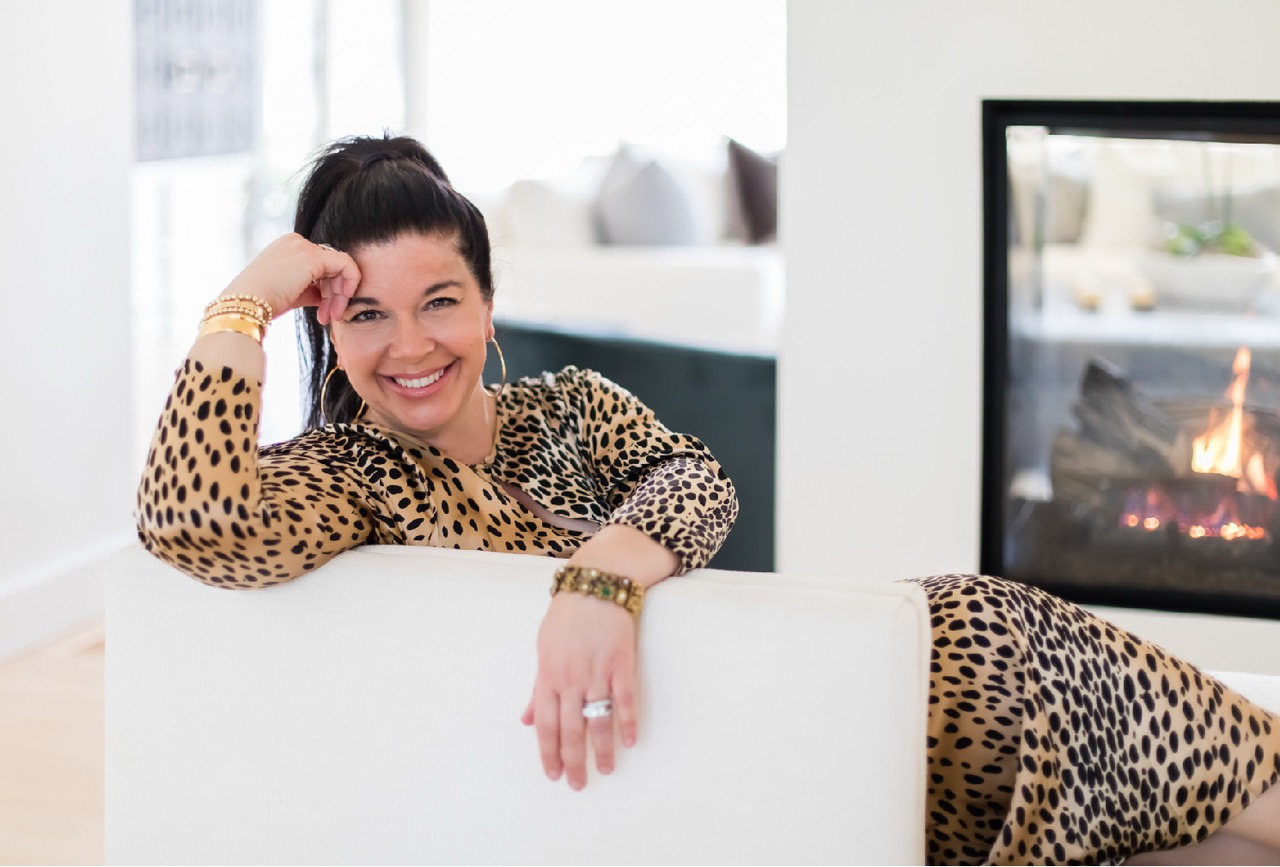
Michelle Murphy has always existed somewhere between creativity and entrepreneurship. Her mother was an artist who ran a nonprofit gallery, while her father was an entrepreneur who encouraged her to understand business. Murphy initially saw those influences as competing directions, but they ultimately became the foundation for the career she would build.
Her connection to art started early. At 16, she worked in her mother’s gallery, stuffing envelopes, helping painters, and immersing herself in a creative environment. She attended her first art auction around the same age and purchased a piece for herself, beginning a relationship with art that would continue throughout her life.
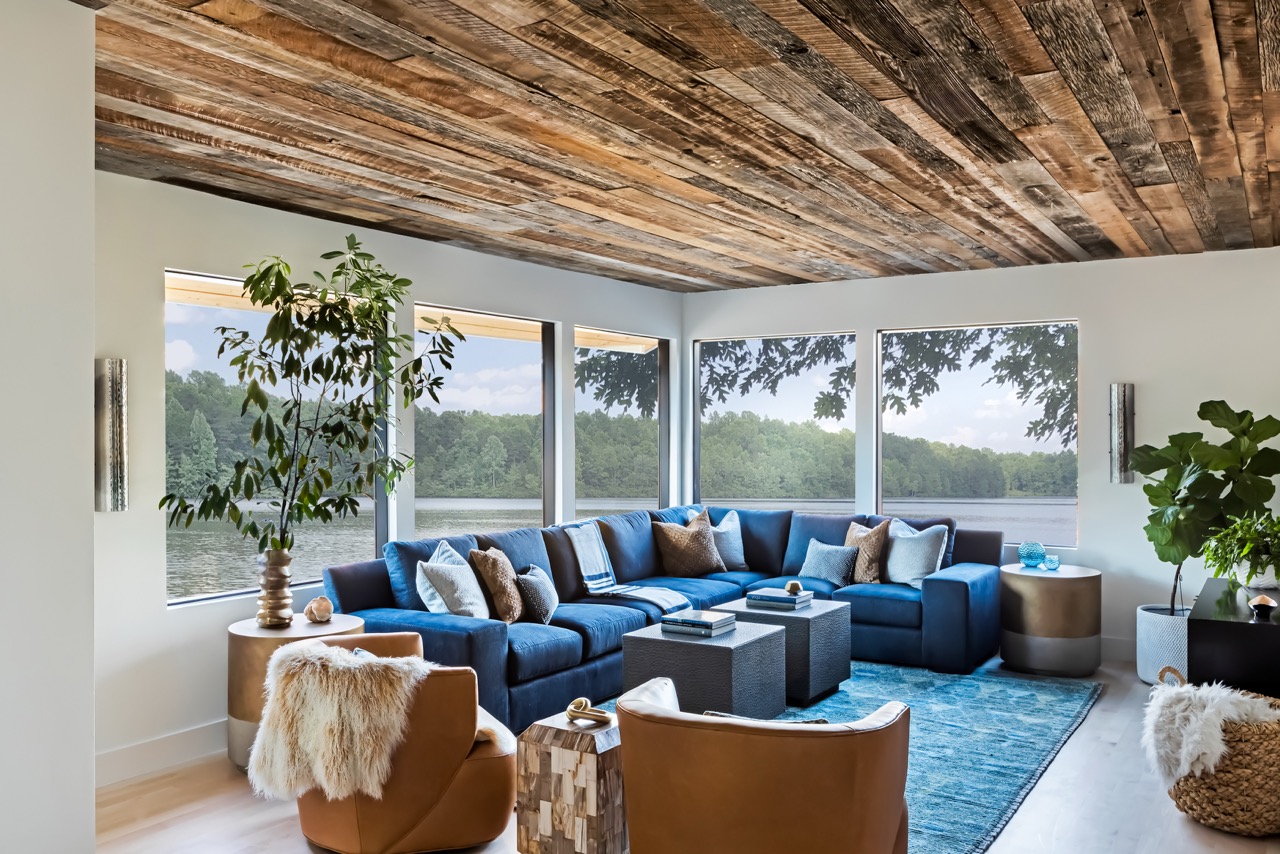
An Artist Who Found Her Way to Interiors
Murphy began with business courses before transferring to Moore College of Art and Design in Philadelphia. Art school gave her an unusually broad creative education. Beyond painting, she learned metalwork, welding, woodworking, pottery, and other hands on disciplines that expanded her understanding of how things could be made.
Her first experience working for an interior designer did not immediately convince her that design was the right career. After a brief internship in Manhattan, she returned to the world she already understood and began working at an art gallery, eventually becoming its director.
The turning point came when designers visited the gallery looking for artwork for an HGTV showhouse. Murphy delivered a sculpture to the property, struck up a conversation with the woman overseeing the project, and was unexpectedly invited to design a space herself. She created a wine cellar and tasting room, was asked to take on additional areas, and used the showhouse as an opportunity to meet potential clients.
That experience helped Murphy see how the creative instincts she had developed through art could work alongside the business thinking she had learned from her father. It also gave her the confidence to pursue design on her own terms.
A Mind That Wants to Make Things
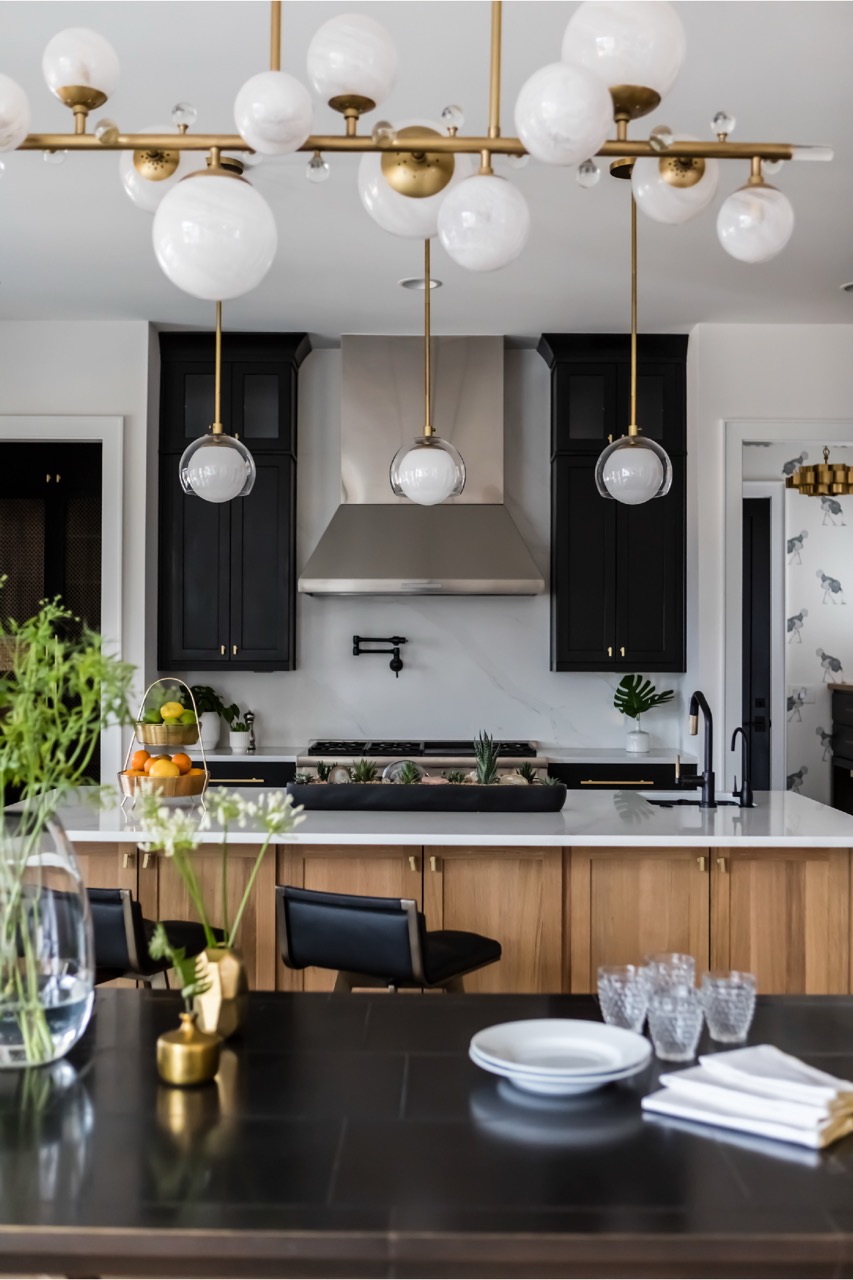
Murphy’s creativity is closely tied to problem solving. When she can picture exactly what a space needs but cannot find it, her instinct is not necessarily to compromise. Sometimes, she simply makes it.
That could mean painting the artwork she has imagined for a particular wall or considering how an entirely custom element could be created. Her art school background gave her experience across enough disciplines that making something herself does not feel especially unusual. Instead, the question becomes why an idea cannot be made possible simply because the right object does not already exist.
There is confidence behind that approach, but also curiosity. Murphy enjoys the challenge of moving between aesthetics rather than repeating a recognizable formula. Her portfolio has included everything from French inspired interiors to modern projects, and she describes the challenge itself as part of what keeps design exciting.
She also knows when an idea has gone too far. Murphy credits the people around her with helping establish those boundaries, particularly when her instinct to figure something out herself could become impractical. A strong team allows her to push creatively while recognizing when someone else should take over.
Designing Around People
For Murphy, understanding the person who will inhabit a space is more important than imposing a particular aesthetic. She wants to know what clients genuinely love, how they want to feel at home, and what creates a sense of comfort and belonging for them.
That emotional response has become one of her measures of success. A longtime client once called after her husband had spent several consecutive days in a home Murphy designed and told her that he felt as though the house were giving him a huge hug. Murphy describes reactions like that as the reason she continues doing the work.
The relationships often extend well beyond a single project. Clients have returned for multiple homes, sometimes taking Murphy and her team with them as they moved to different states. Those projects helped expand the firm’s reach nationally while reinforcing a philosophy that remains intensely personal.
The same emphasis on relationships extends to the people who help create the homes. Murphy describes design as a collective effort supported by a village of artisans, contractors, installers, and craftspeople. Some of those professional relationships have lasted 15 or 20 years, becoming an important part of how she works and what her team is able to accomplish.
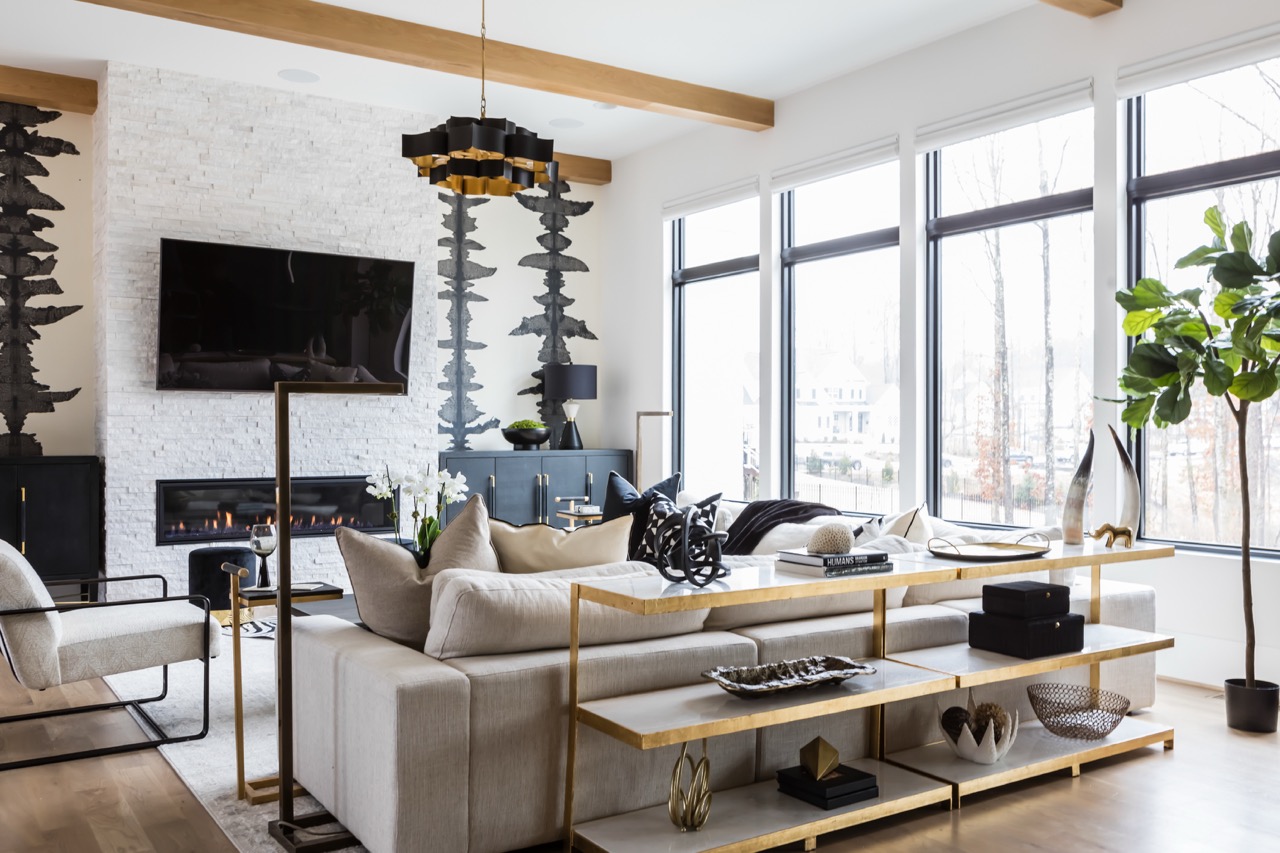
Creativity Beyond the Studio
Murphy’s curiosity does not stop with interiors. Painting and photography remain part of her life, alongside reading and yoga. She also makes a point of trying new things, whether that means taking tap dance lessons or considering archery and needlepoint as the next pursuit.
Not every creative interest needs to become part of her professional work. Murphy intentionally keeps some hobbies separate, allowing them to remain personal spaces where there is no client to please and no finished room to deliver.
She has also learned that creativity sometimes requires space rather than more stimulation. When the demands of running projects begin interfering with the ability to design, Murphy steps away. Meditation, breathing, time outside the studio, or simply taking a day to reset can give her the clarity to return to the work with a different perspective.
Continuing to Find the Possibility
More than two decades into her career, Murphy still approaches design with the willingness to ask what could happen next. A career that began with art, business classes, an unexpected showhouse opportunity, and a studio operating from an 800 square foot Hoboken home has grown into a practice managing projects around the country.
Yet many of the instincts behind the work have remained the same. She wants to understand people, solve the problem in front of her, surround herself with talented collaborators, and keep finding opportunities to make something more interesting.
For Murphy, creativity is not limited to having the right idea. It is the confidence to follow that idea far enough to see what it can become.