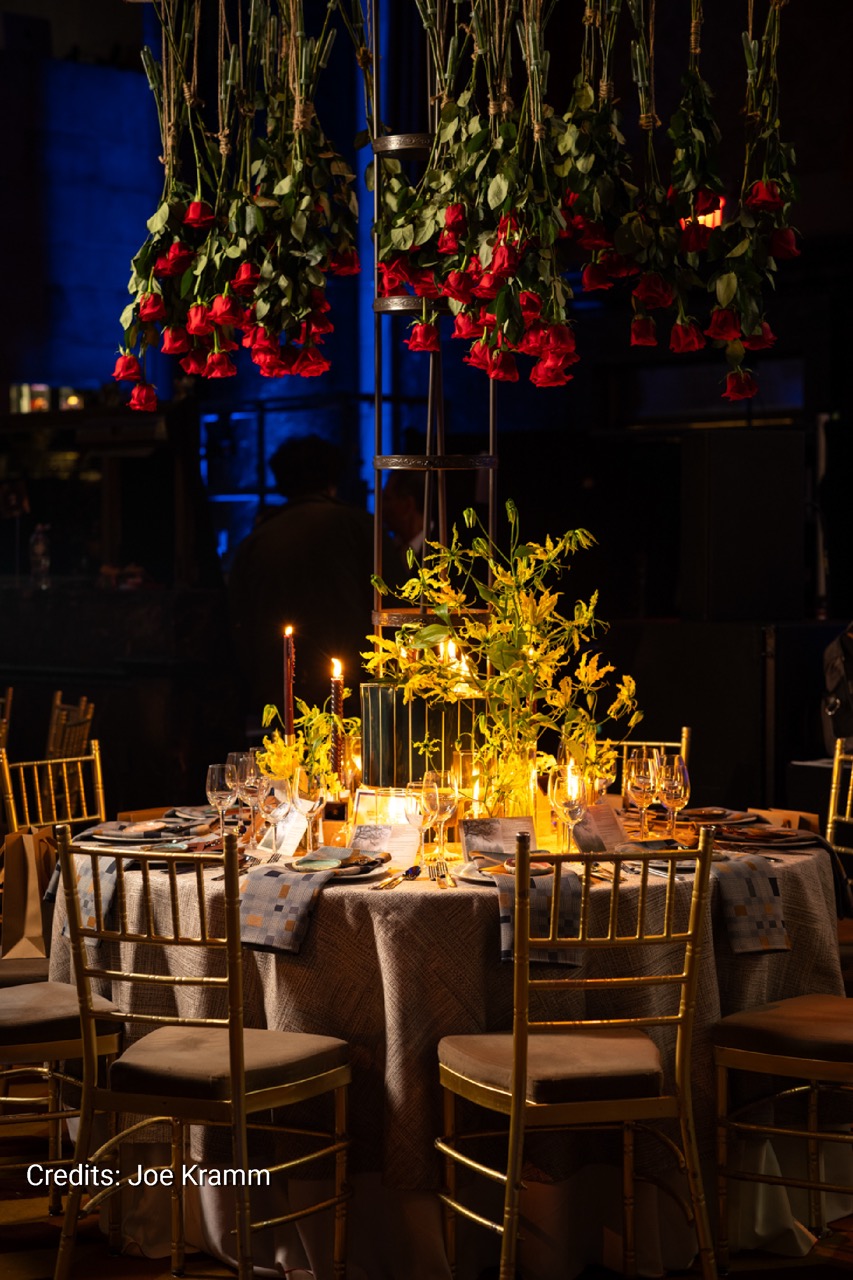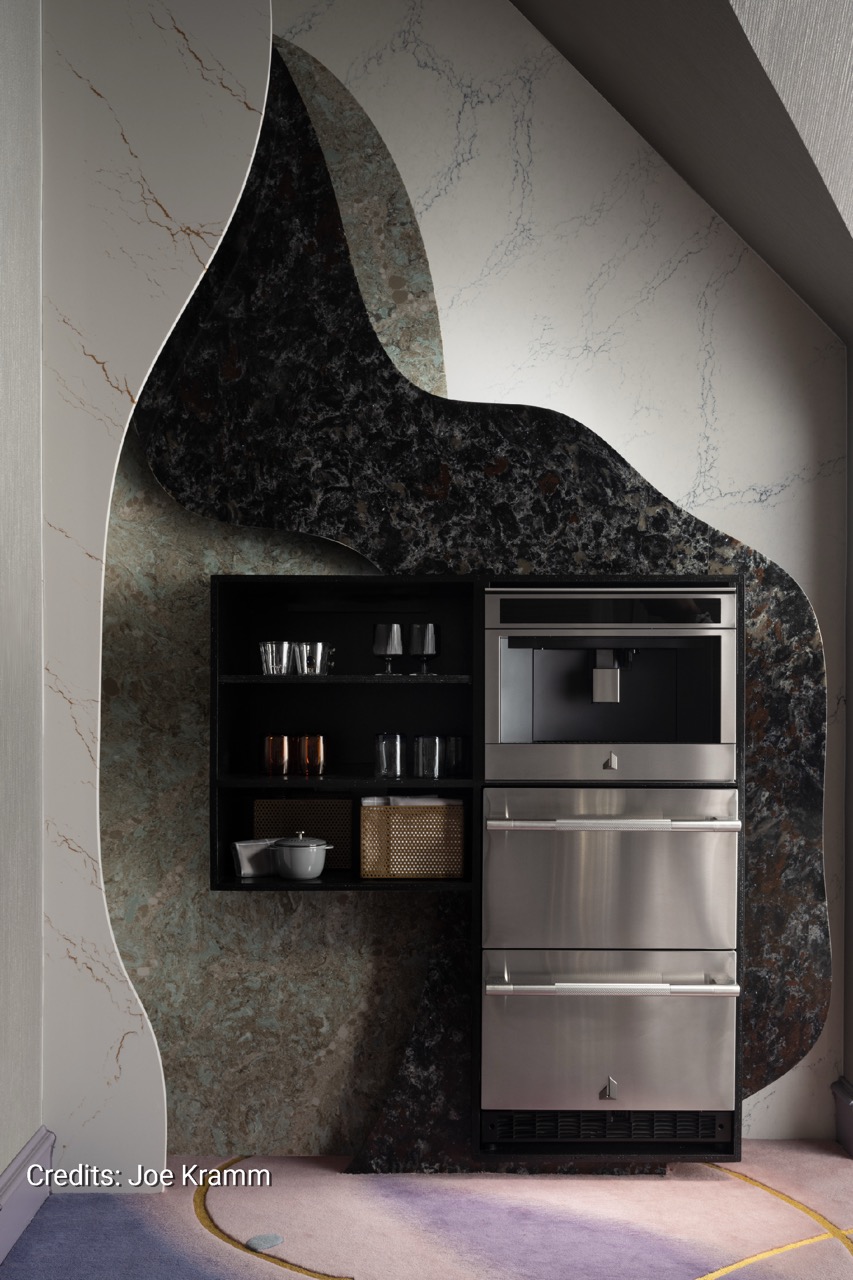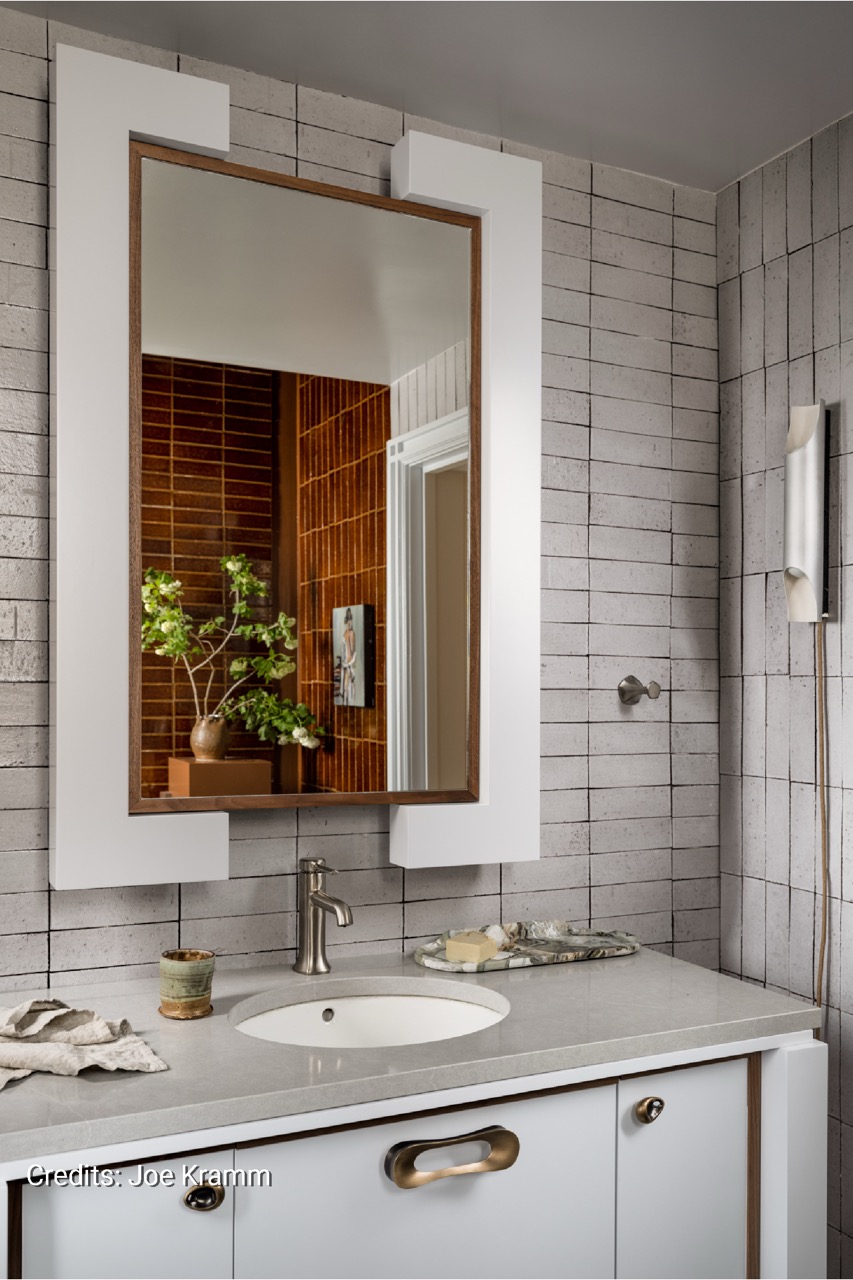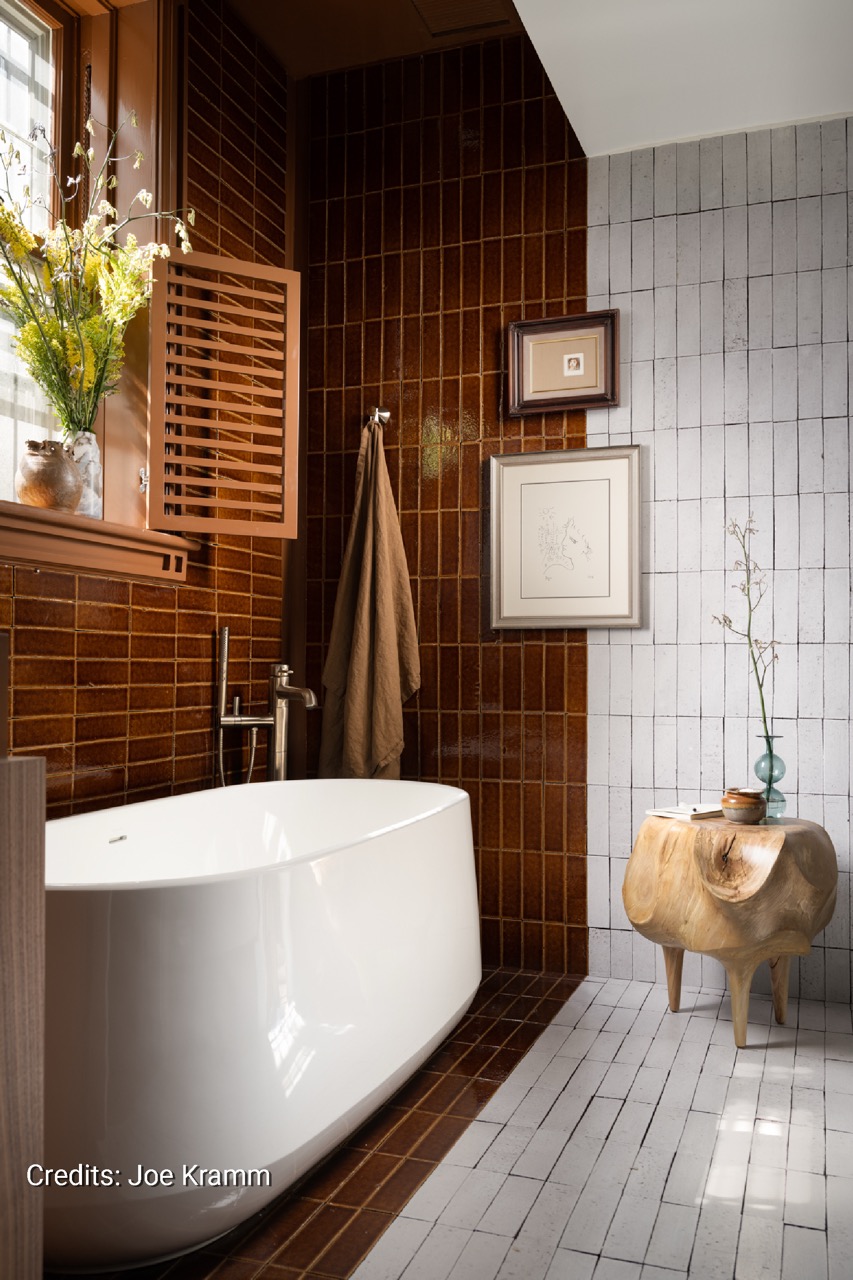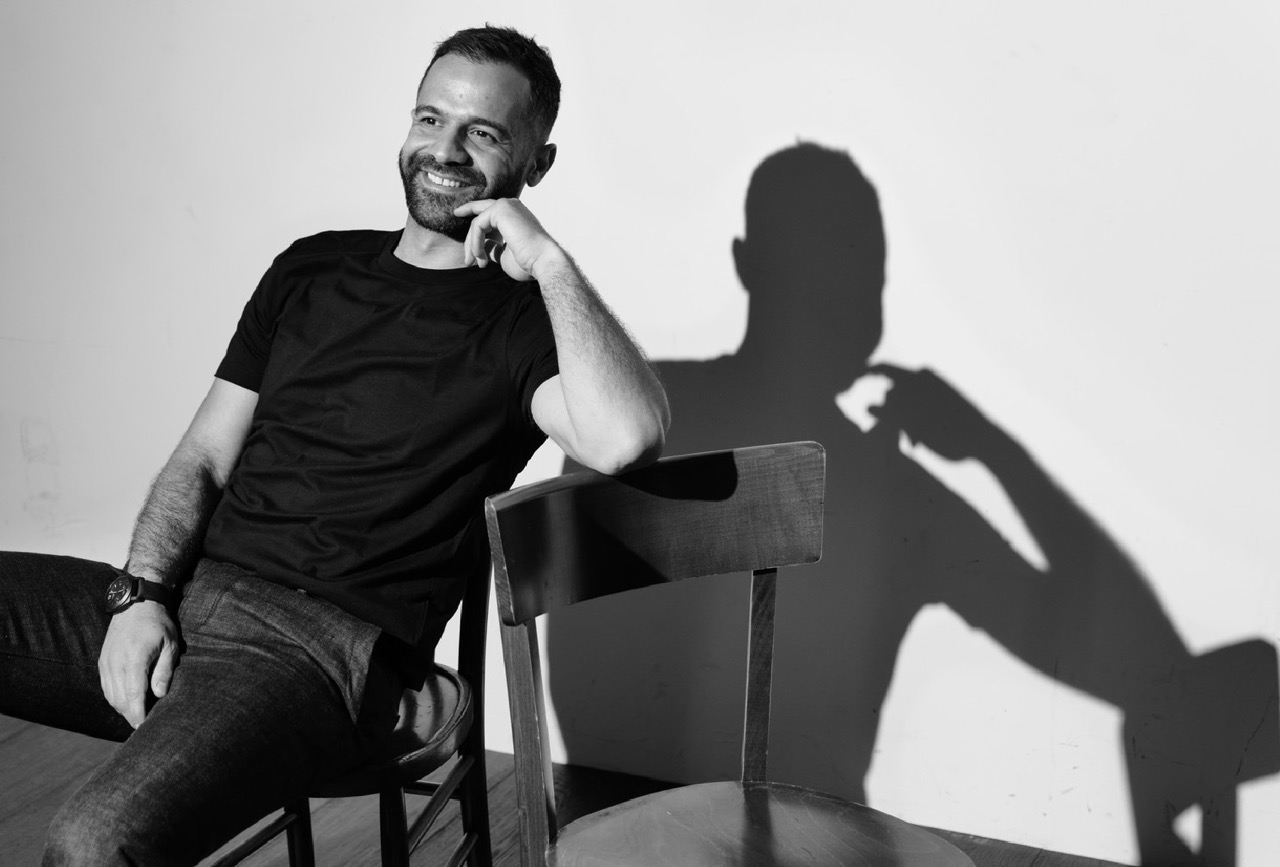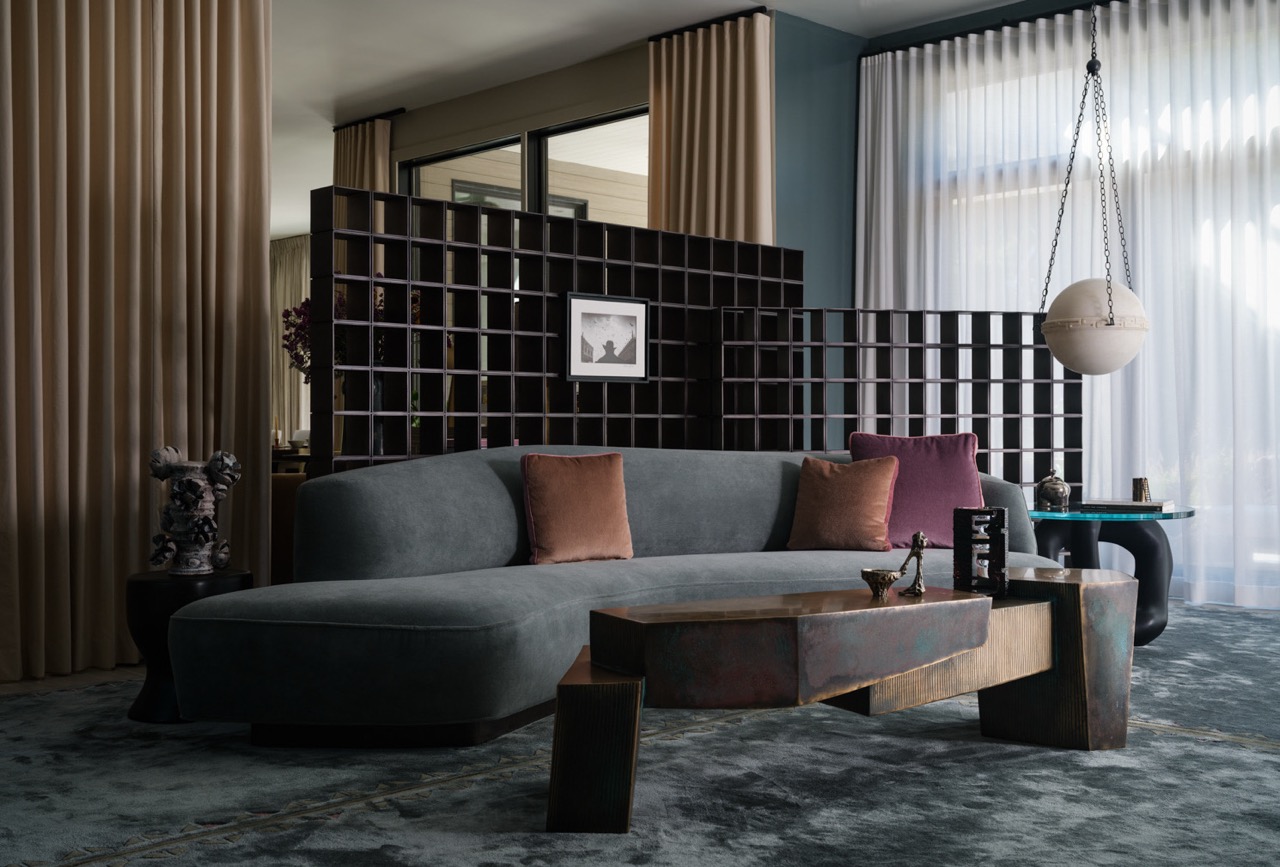
Ahmad AbouZanat’s path through design has rarely followed a predictable trajectory. Born in Doha, raised in Lebanon, and eventually building a career in the United States, he has moved between countries, cities, disciplines, and dramatically different levels of the design industry. Along the way, opportunities have appeared unexpectedly, disappeared just as quickly, and repeatedly forced him to reconsider what came next.
Those experiences have shaped both his approach to interiors and the way he has built his practice. From designing highly customized multimillion dollar projects in Beirut to selling shoes in Harlem while searching for work, AbouZanat has experienced extremes that have given him an unusually candid perspective on the profession. Today, working between Austin and New York, he approaches design through functionality, detailed observation, and an understanding that how work is presented can influence the direction of a business almost as much as the work itself.
Finding Design by Accident
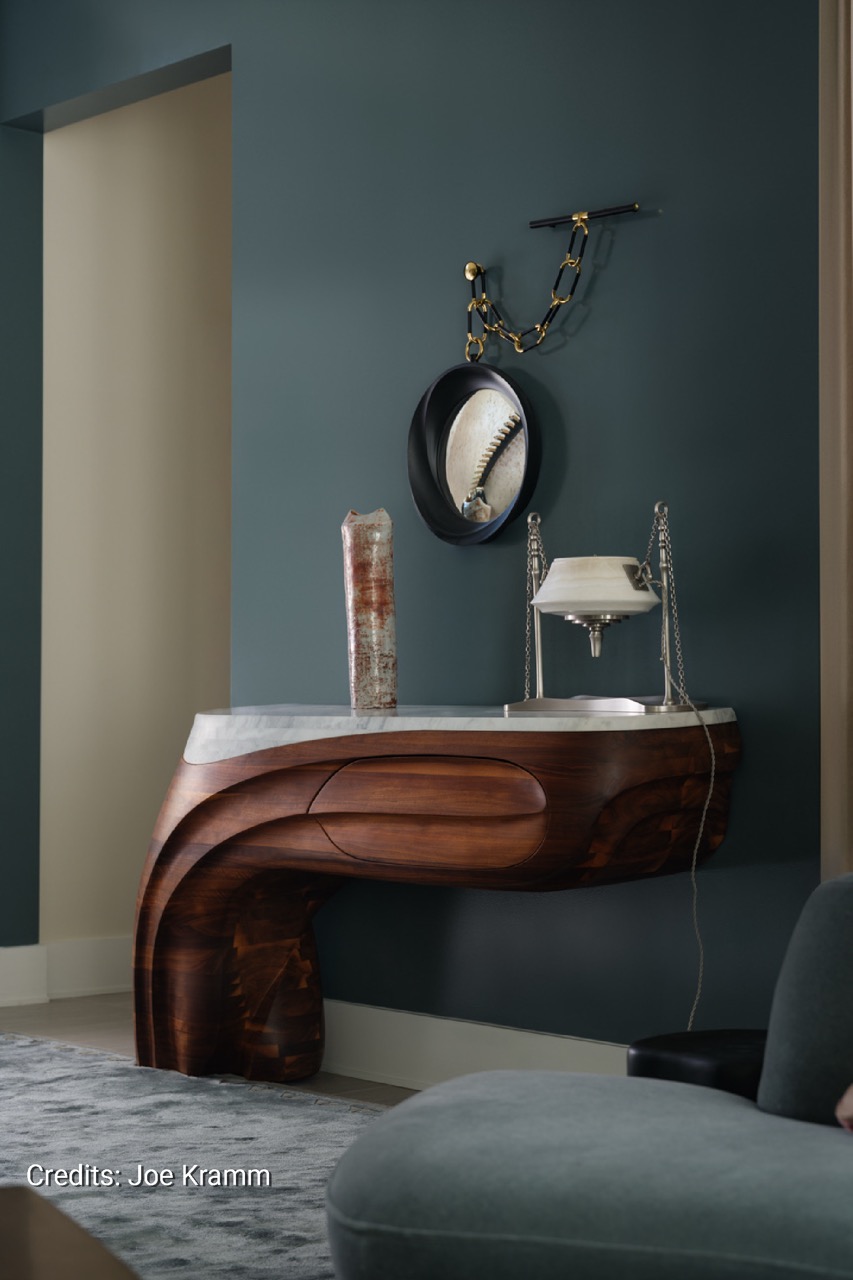
AbouZanat was born in Doha, Qatar, and spent his early childhood there before moving to Lebanon. Of Palestinian descent through his father and with a Lebanese mother, he grew up in Lebanon and initially pursued hospitality management.
After working in hotels and realizing the industry was not right for him, he had the opportunity to return to college and choose something he genuinely wanted to pursue. He landed on design despite knowing remarkably little about the profession.
When an admissions interviewer asked to see his portfolio, he did not know what the word meant.
“I honestly to God didn’t even know what the word portfolio meant.”
He was admitted to an American university in Lebanon on probation and needed to maintain a strong academic record. Hand drawing initially proved difficult, but discovering AutoCAD changed his relationship with the work. With his family’s financial support available for only three years, he took additional credits and summer courses and completed the program in approximately three and a half years, graduating at the top of his class.
The experience revealed something he had not expected.
“I had no idea that anything creative would make me excited like this.”
Education had always been important to AbouZanat. Having moved schools frequently while growing up, he did not develop the kind of long term childhood relationships many people carry into adulthood. Instead, he became intensely focused on learning and achievement.
“If I want to do it, I’m going to do it and I’m going to be the best at it if I can.”
Learning Design at an Extraordinary Scale
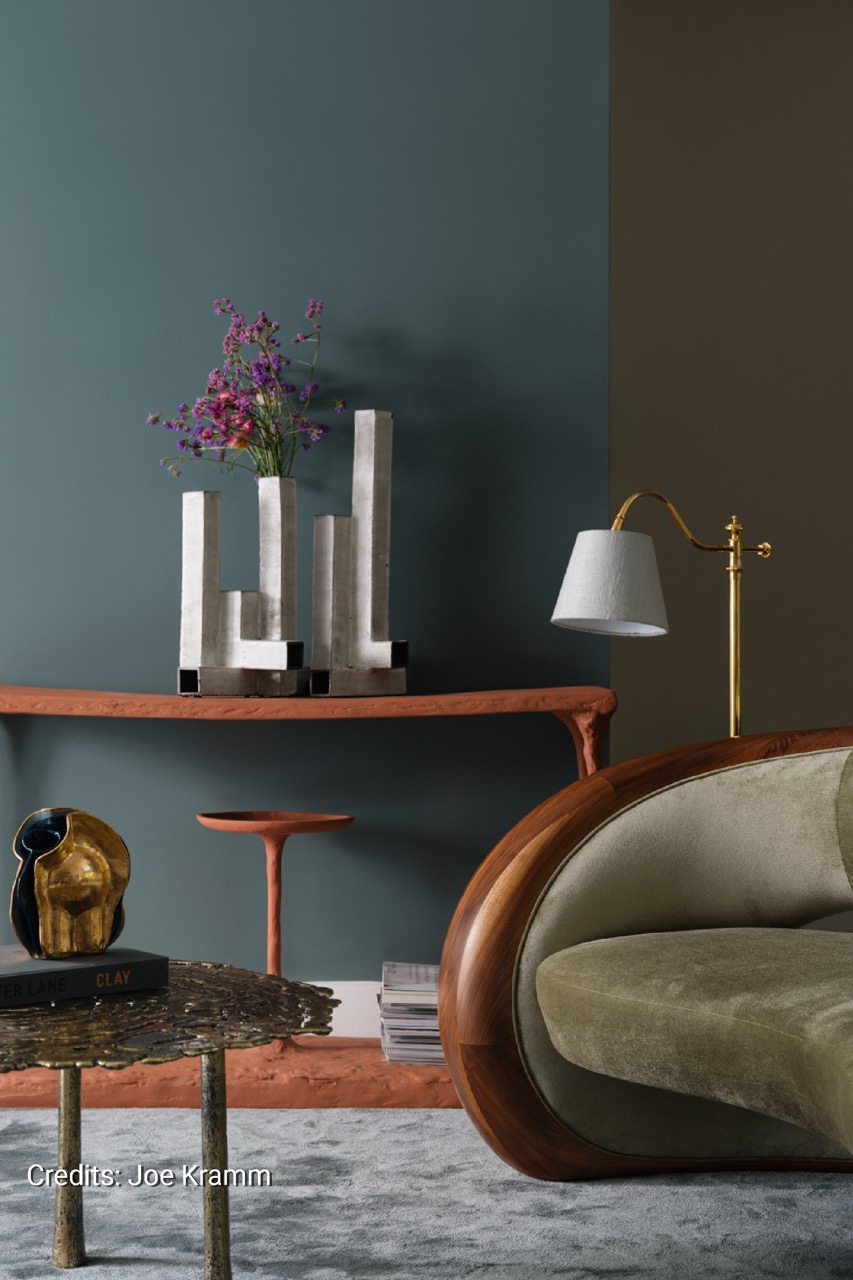
Shortly after graduating, AbouZanat joined a high end architectural firm in Beirut where projects began at approximately $15 million. It was 2007, and the scale of the work was extraordinary for the market.
Designers were responsible for projects from beginning to end regardless of their individual discipline. Although AbouZanat had studied interior design, he suddenly found himself involved with landscaping, architecture, structural and mechanical coordination, custom furniture, and lighting.
The experience provided an education far beyond what he had encountered in school. He designed custom pieces, developed a furniture collection for the firm, and helped create its Beirut showroom.
Then an ordinary family conversation changed his perspective.
An uncle mentioned finding a sofa for approximately $6,000 and described it as expensive. AbouZanat’s immediate reaction was that it was not. He had become accustomed to projects where a sofa might cost $50,000.
The response made him realize how far the professional world he inhabited had moved from the one in which he had grown up.
“I grew up in a family with very limited means.”
Rather than continuing along a path many young designers might have considered a dream opportunity, AbouZanat deliberately looked for a firm working with more moderate budgets. The transition presented an entirely new challenge. He had become accustomed to designing details such as custom solid brass door hardware. Now he had to learn how to select an existing product instead.
The contrast became another important part of his education, teaching him how design decisions change when resources, budgets, and priorities change.
A Career Shaped by Unexpected Turns
Another unexpected opportunity arrived through a chance encounter with a designer visiting Beirut from Washington, DC. After AbouZanat showed her a furniture showroom he had designed, she offered him a job in the United States.
While the visa process unfolded, he began freelancing with PS Lab, a lighting design company, and was asked to design its library space. The project eventually developed into a position with the company, where he worked alongside architects and interior designers on highly customized lighting.
Two years later, his work visa came through and he moved to Washington. Within approximately a year, however, the owner of the firm that had sponsored him developed serious medical issues and needed to close the business. Because his ability to remain in the country was connected to his employment, AbouZanat returned to Beirut and rejoined PS Lab.
Another opportunity soon emerged. A connection from his earlier hospitality career introduced him to a boutique hotel project in Doha, the city where he had been born. He signed the contract and prepared to take on the project, only to learn that he could not obtain the necessary work visa because he was Palestinian.
The setback became a turning point.
“I just can’t be here anymore.”
AbouZanat eventually returned to the United States, worked through the immigration process, and received his green card. He moved from Houston to New York believing that no longer requiring sponsorship would finally make finding a design position easier.
Instead, he sent more than 500 resumes over approximately two months without receiving a response.
Starting Again in New York
With rent to pay and no design position materializing, AbouZanat took a job selling shoes in Harlem. He continued applying for design work until a visit to a Madison Avenue showroom led to a sales position.
His design background immediately changed the way he approached customers. Instead of concentrating primarily on selling more expensive pieces, he asked questions, discussed spaces, and engaged customers through design. People who entered looking for one or two items sometimes ended up furnishing entire rooms with him.
Within four months, he had reached his annual sales target.
The success did not make the environment sustainable. AbouZanat found the culture intensely competitive and eventually resigned after approximately six months.
When he notified clients that he was leaving, one asked what he planned to do next. AbouZanat responded that he was a designer and would either look for another position or try to start his own firm.
The client had recently purchased an approximately $8 million, two story Manhattan apartment and asked if AbouZanat wanted to see it.
He registered an LLC and took the project.
Rather than charging a traditional design fee, AbouZanat arranged to receive a commission from the designer discounts he secured for the client. The project became the foundation of his independent practice. The same client later hired him to stage a previous apartment for sale, which sold quickly.
From the beginning, AbouZanat understood that completing strong work would not be enough.
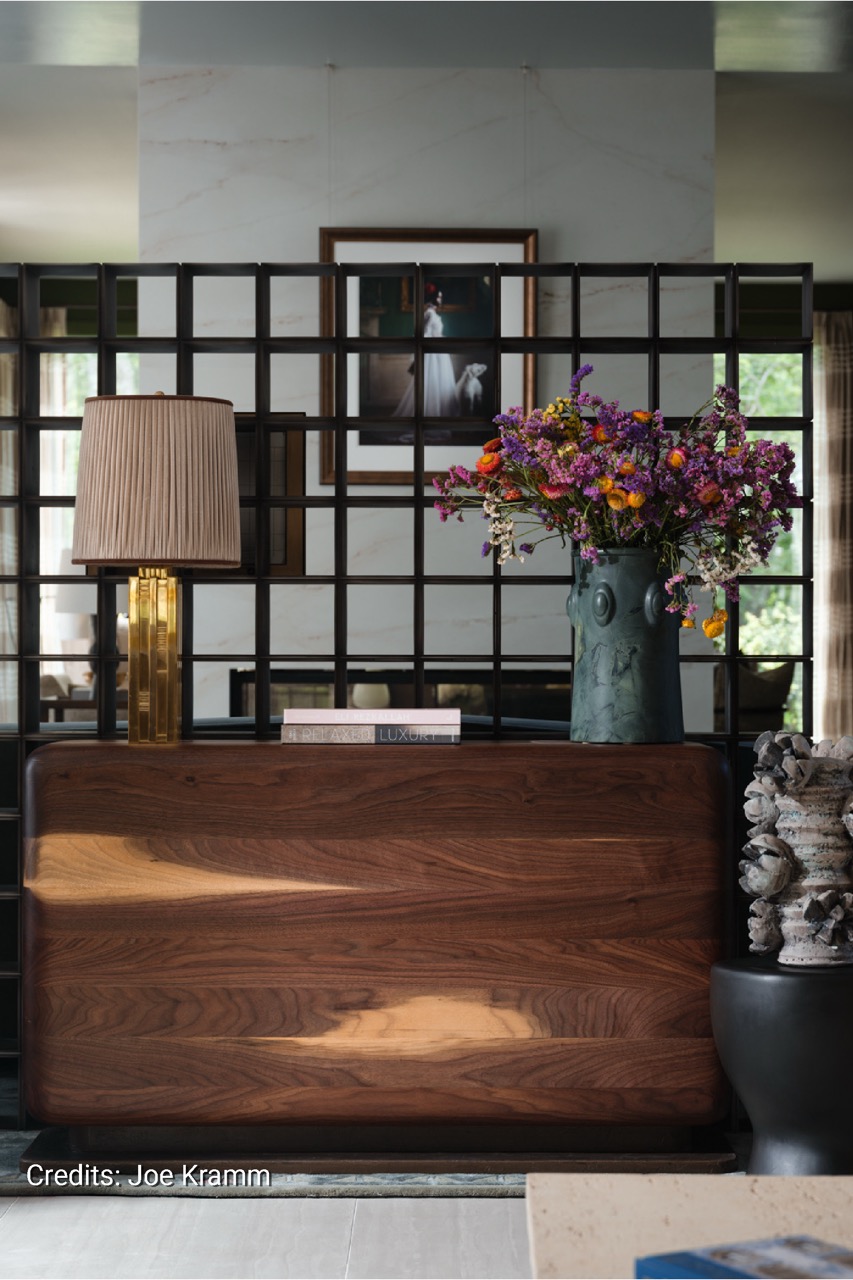
“My only asset is photography.”
Understanding the Power of Presentation
Photography became one of the most consequential investments in AbouZanat’s career.
After joining Homepolish, he began receiving projects through the design service platform. One approximately $200,000 project was underway when the company abruptly folded. Most of his projects disappeared with it, but one client offered to continue working with him directly and compensate him for the portion he would otherwise have received.
At the end of the project, the clients wanted to give him an additional thank you payment. He declined and instead asked whether they would allow him to photograph the finished space.
They offered to pay for the photography.
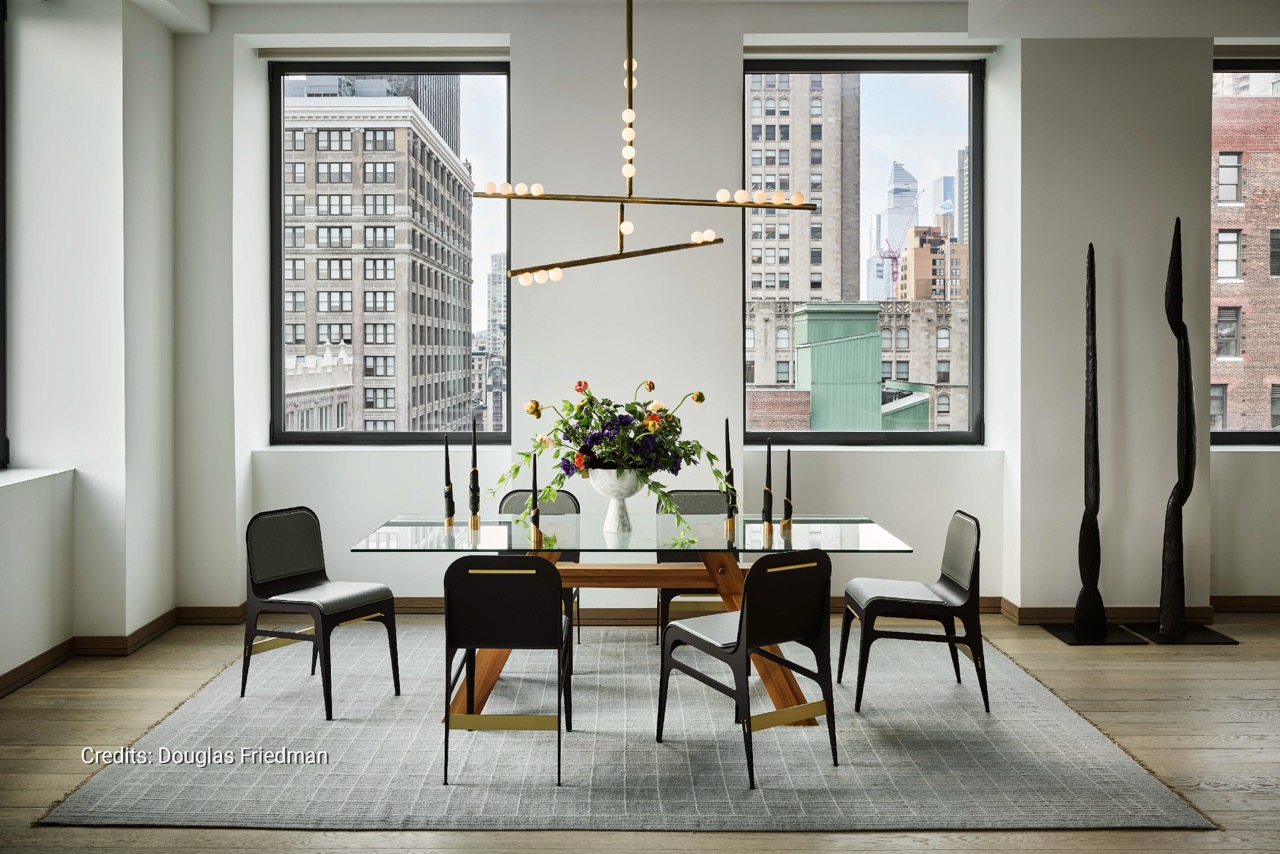
When they asked who the best interior photographer was, AbouZanat named Douglas Friedman. The clients told him to hire him.
The investment went beyond the photographer. When a stylist was required for the shoot, AbouZanat decided that working with an exceptional photographer meant the styling needed to meet the same standard. He invested his own money into the production and discovered how different photographing a home for a client can be from creating images intended for a much wider audience.
“This is where I take a step back as a designer and I let the professionals do their job.”
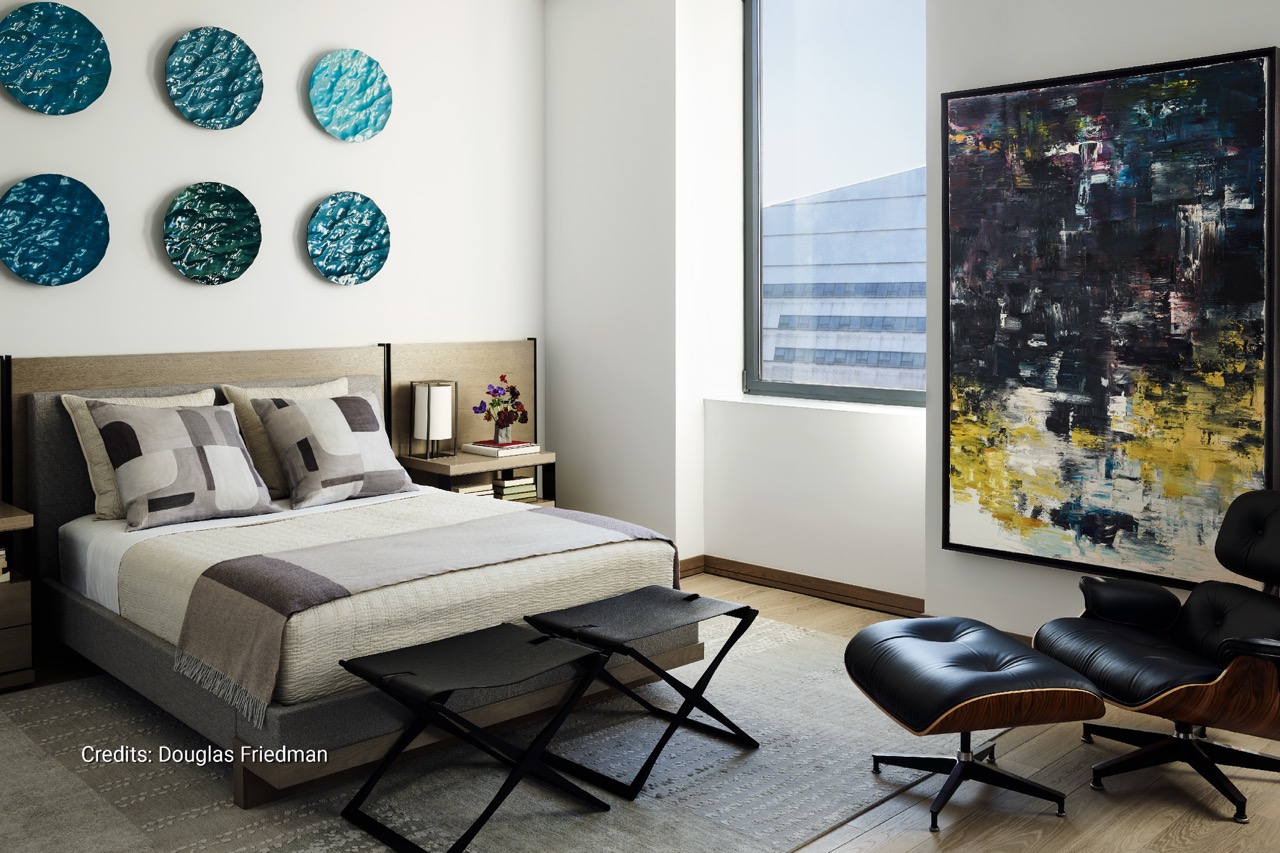
The lesson changed the way he approached every project that followed. Even when he could not hire the same team, he wanted the finished imagery to maintain a consistent level of quality.
The project was photographed in January 2020. Shortly before the pandemic shut down much of the world, AbouZanat independently found an editor at Interior Design and pitched the project.
A few weeks later, the publication agreed to feature it.
When the story appeared in May, the response transformed his visibility. The photographer shared the feature, messages began arriving, and AbouZanat watched his social following increase rapidly over several days.
“It changed everything.”
When Presentation Changes the Business
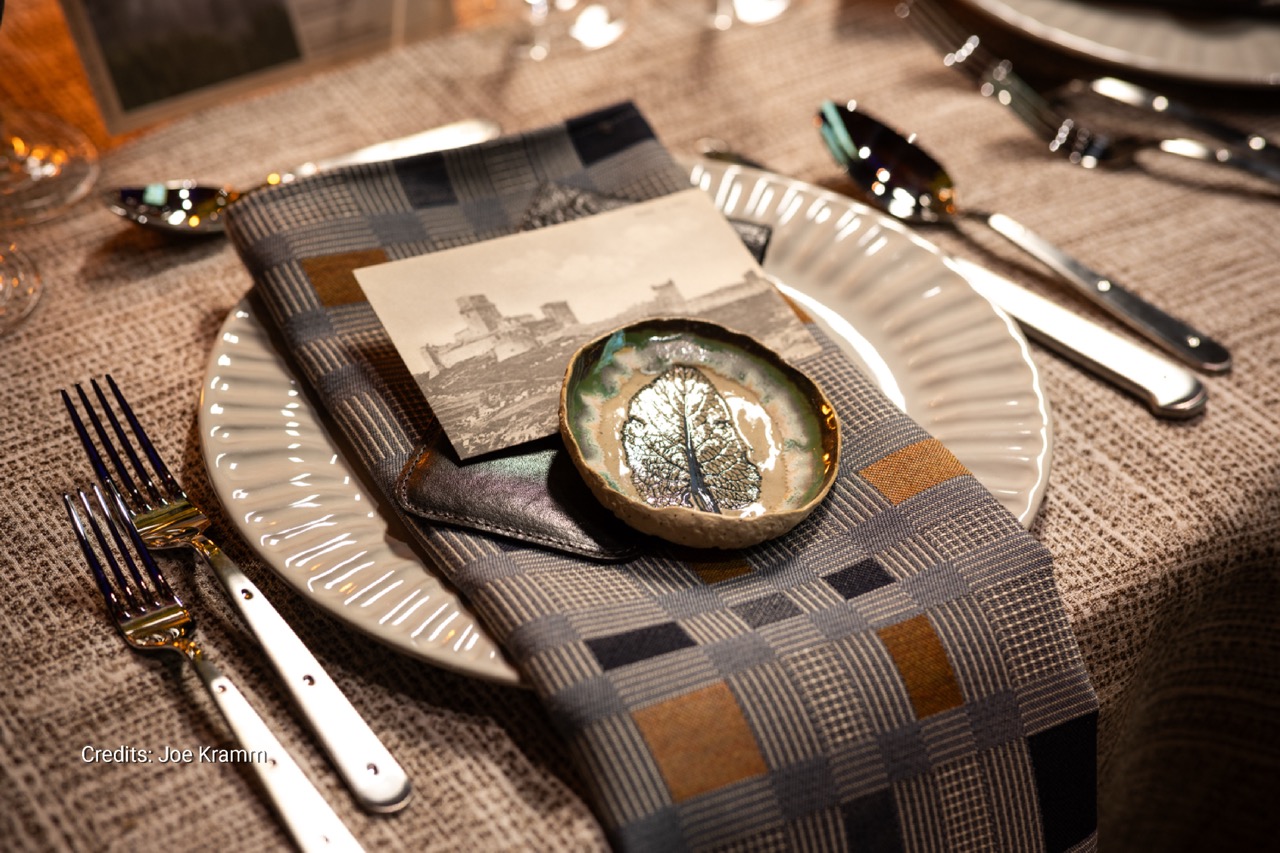
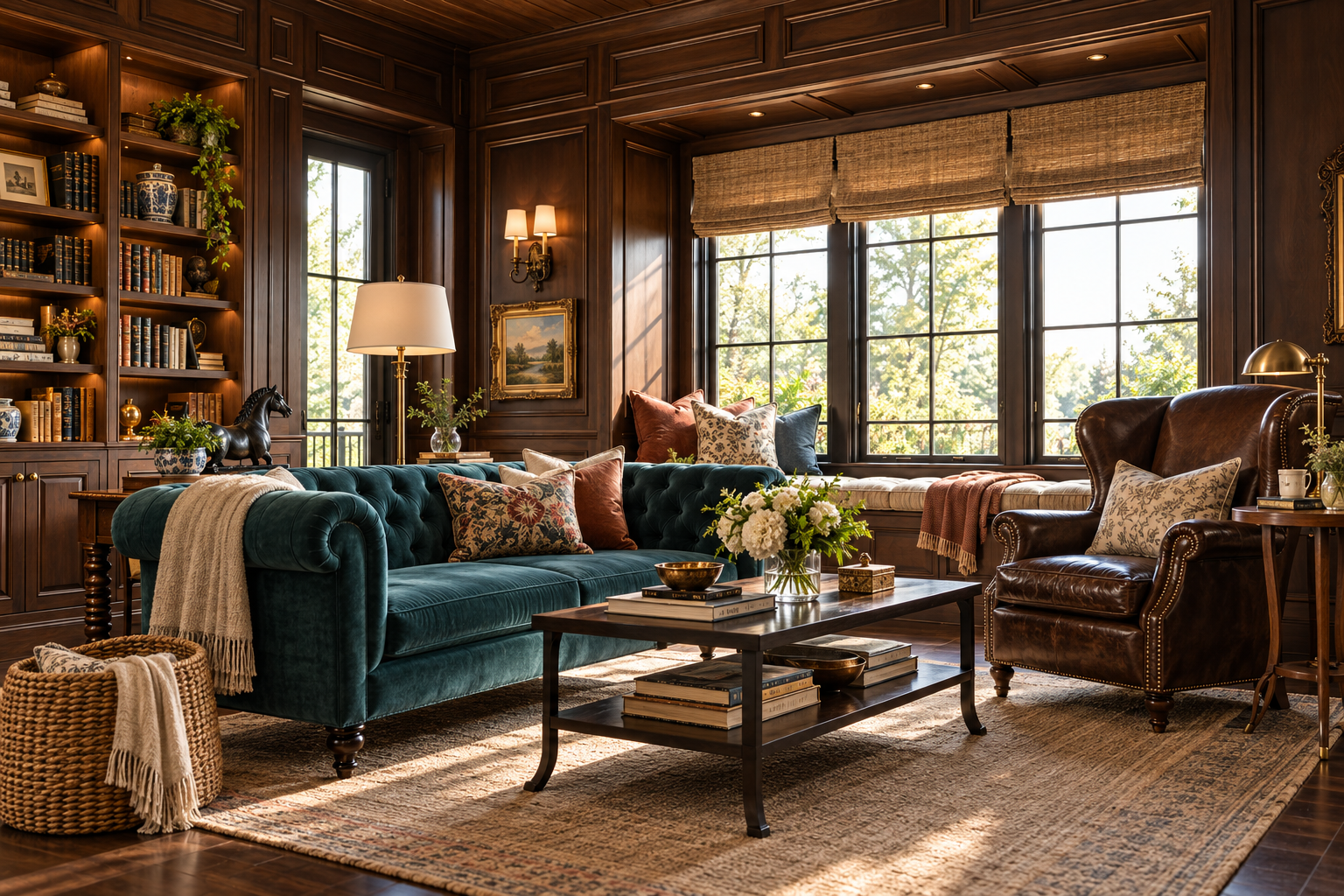
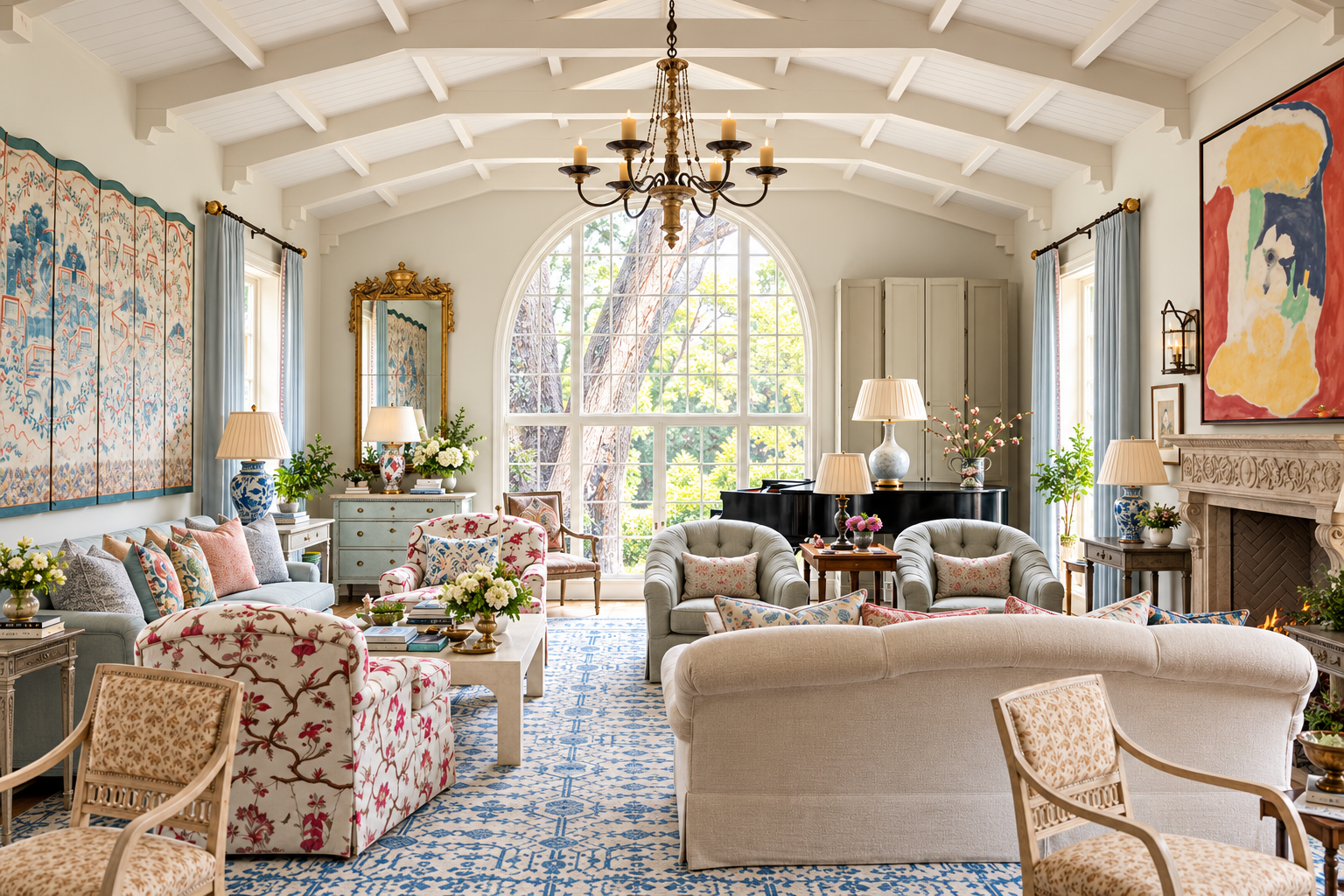
The success reinforced AbouZanat’s commitment to presenting every project at a high level. His portfolio developed a consistency in photography, styling, and overall presentation that made projects with very different budgets feel connected.
That consistency attracted higher end clients, but it also created an unintended consequence.
Potential clients with smaller budgets began filtering themselves out.
“The intention wasn’t to filter the low budget client. The intention was to attract the bigger ones.”
For a growing practice, those smaller projects could have provided important continuity between major commissions. AbouZanat came to recognize the strategy as a double edged sword. The same presentation that elevated the perception of the studio could also make the practice appear inaccessible to clients it might otherwise have served.
His willingness to discuss that tension reflects a larger belief about the profession. The polished projects visible online rarely reveal the instability that can exist behind them. Since establishing his business, AbouZanat has experienced periods when projects disappeared and income stopped, followed by a single new commission that changed the trajectory again.
He has spoken openly about those realities in industry settings because he believes designers benefit from hearing more than the polished version of entrepreneurship.
“I just never want to sell the fluff story.”
Designing Around How People Actually Live
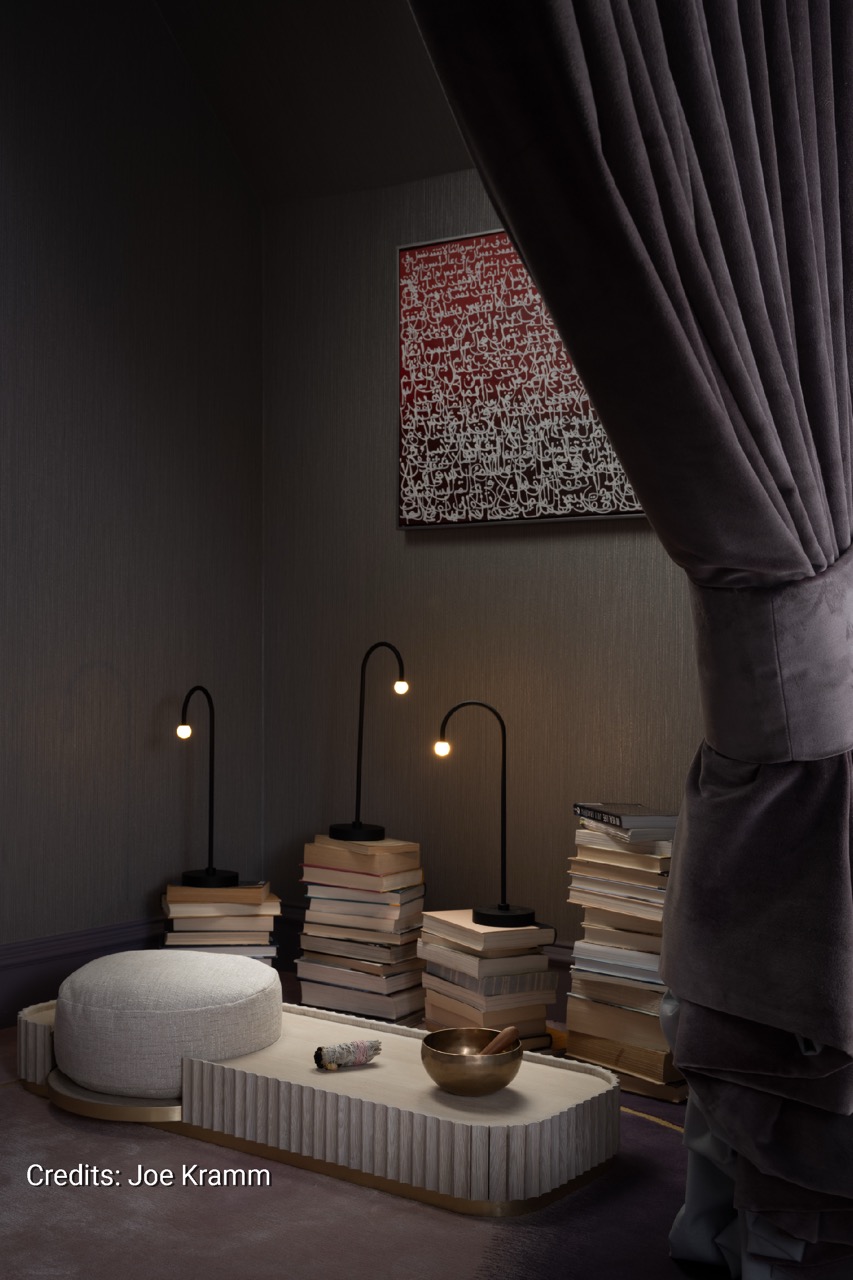
Despite the range of places where AbouZanat has lived and worked, he does not begin a project by consciously translating those cultural influences into an aesthetic. He sees those experiences as something absorbed over time, sitting in the background and inevitably informing his perspective.
The client comes first.
His process begins with detailed questions about everyday life, often long before he asks about preferred colors or materials. He wants to know how people use their homes, how they interact with one another, and what seemingly small behaviors might affect the way a space should function.
“How close do you sit next to each other when you’re watching TV?”
Questions like that can make clients uncomfortable, but they reveal information that a conversation about finishes cannot.
AbouZanat sees colors and materials as an aesthetic layer that can come later. First, the design needs to solve problems, including ones the client may not have recognized.
A lesson from his first employer continues to influence that philosophy. New and expensive spaces can impress immediately, but the more meaningful achievement is creating a detail someone still appreciates years later.
“It’s not about what it looks like. It’s about how you use it and how functional it is.”
For AbouZanat, thoughtful design simplifies life. Once the functional foundation is right, the other layers can follow.
When asked to define his work in three words, the order matters.
“Functional, joyful, and elegant.”
Function comes first. Joy follows because a space should make its occupants feel something. Elegance completes the composition rather than driving it.
Continuing to Make Intentional Bets
AbouZanat’s career has been shaped by decisions that did not always make immediate financial sense. Leaving an extraordinary luxury firm to understand more attainable budgets, investing heavily in photography, taking on showhouses during quiet periods, and maintaining a particular standard of presentation have all involved risk.
Some choices produced immediate opportunities. Others contributed to periods of instability. AbouZanat does not separate those realities from the story of his career.
“There was some kind of intentional decisions even though a lot of times on paper and on the bank statement it doesn’t make sense.”
He continues to make those decisions with an eye toward what the practice could eventually become. After years working across interiors, architecture, furniture, and lighting, his longer term ambition is to move further into product design.
It is a direction that connects naturally to some of his earliest professional experiences, when creating a project could mean designing everything from the architecture to a piece of furniture or a custom light.
For now, the path remains open. That uncertainty is familiar territory for AbouZanat. His career has repeatedly moved forward through a combination of preparation, persistence, chance encounters, setbacks, and a willingness to begin again when circumstances demanded it.
Through each shift, one principle has remained consistent: understand how people actually live, do the work thoughtfully, and present it with the same level of intention.