Founder and Designer – PROJECT AZ
Background
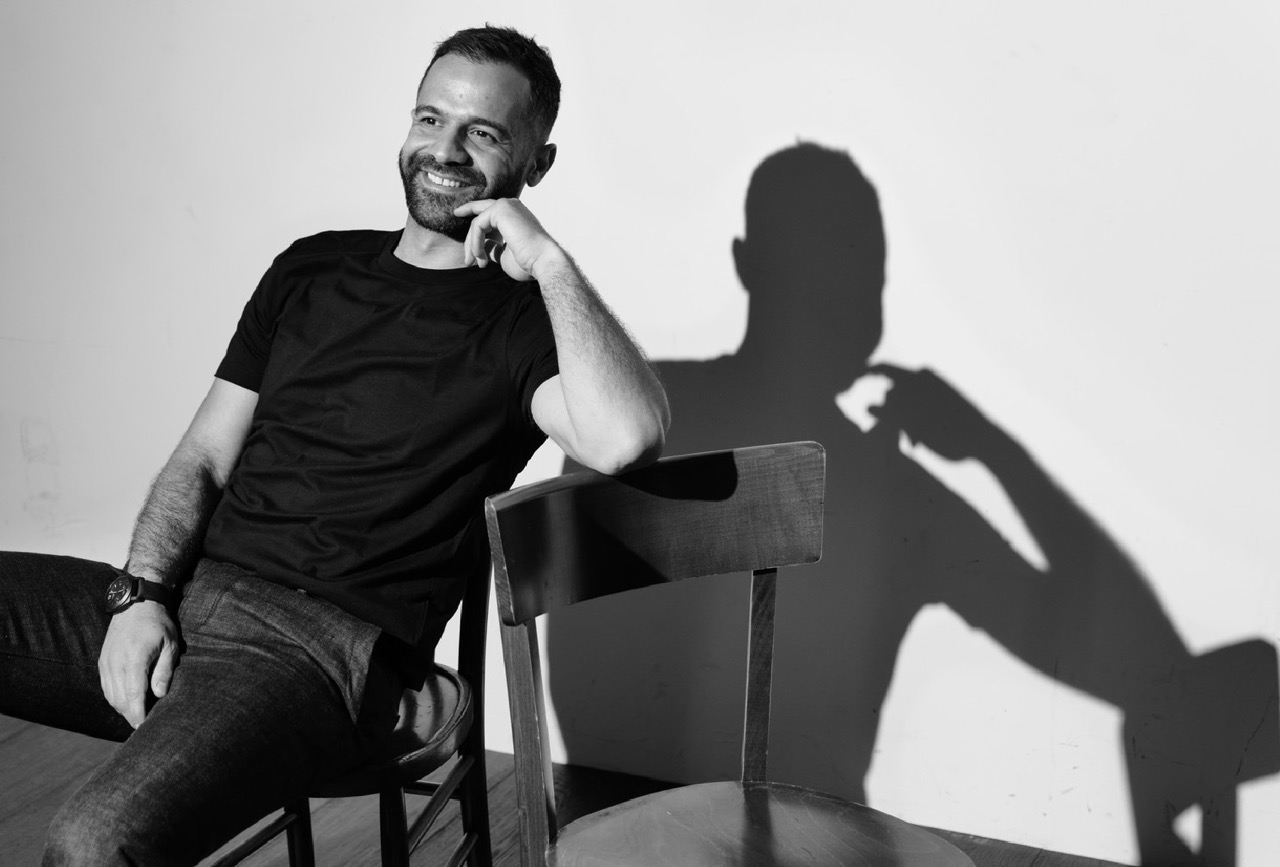
Ahmad AbouZanat’s path to interior design began far from the career he initially imagined. Born in Doha, Qatar, and raised in Lebanon, he first studied hospitality management and worked in hotels before realizing the industry was not right for him. With support from his family, he returned to college to pursue something he genuinely wanted to do and chose design despite having little understanding of the profession.
AbouZanat entered an American university in Lebanon on probation and initially struggled with the hand drawing required by the program. Discovering AutoCAD became a turning point. With his family able to support three years of schooling, he took additional credits and summer courses, completing the program in approximately three and a half years and graduating at the top of his class.
His first professional opportunity placed him inside a world dramatically different from the one in which he had grown up. At a high end architectural firm in Beirut, projects began at approximately $15 million, and designers worked across disciplines rather than remaining within a single specialty. AbouZanat gained experience with interiors, architecture, landscaping, structural and mechanical coordination, custom furniture, and lighting.
After approximately two years, a conversation with his family caused him to reconsider the scale of the work. He had become accustomed to projects where individual pieces of furniture could cost tens of thousands of dollars, even though he had grown up with limited means. Wanting to understand how to design within more relatable budgets, he deliberately moved to a firm working at a different scale.
Another unexpected opportunity eventually took him to the United States. After meeting a Washington, DC designer while she was visiting Beirut, he received an offer to join her firm. The visa process took two years, during which he worked with lighting design company PS Lab. When he eventually moved to Washington, the firm that sponsored him closed approximately a year later after its owner developed serious medical issues, forcing him to return to Beirut.
Back in Lebanon, AbouZanat rejoined PS Lab and later secured an opportunity to design a boutique hotel in Doha. The project was canceled when he was unable to obtain the necessary work visa because he was Palestinian. The experience reinforced his desire to find a place where he could pursue broader professional opportunities.
After returning to the United States and eventually receiving his green card, AbouZanat moved to New York expecting his experience to open doors. More than 500 resumes over approximately two months produced no responses. He sold shoes in Harlem to pay rent before finding a sales position at a Madison Avenue showroom, where his ability to speak with customers as a designer quickly distinguished him.
When he left that position, a former client offered him an opportunity to design an approximately $8 million Manhattan apartment. AbouZanat registered an LLC and accepted the project, beginning the independent practice that would become PROJECT AZ.
Approach
Despite living and working across different countries and cities, AbouZanat does not consciously begin projects by translating those experiences into a particular visual language. Instead, he sees them as influences that have accumulated in the background and naturally become part of how he thinks.
His process is centered much more directly on the client.
Rather than beginning with questions about colors, finishes, or materials, AbouZanat wants to understand how people actually live. He asks about routines, relationships, habits, and even details such as how closely people sit together while watching television. Those conversations allow him to identify functional needs that may never emerge from a conventional discussion about aesthetics.
For AbouZanat, materials and colors come later. The foundation of a successful project is understanding what can make daily life simpler, easier, and more practical.
“It’s not about what it looks like. It’s about how you use it and how functional it is.”
That philosophy can be traced in part to an early lesson from his first employer. A newly completed multimillion dollar space can easily make an immediate impression, but the more meaningful achievement is creating a detail that a client continues to appreciate five or ten years later.
AbouZanat describes his work through three words, always in the same order: functional, joyful, and elegant. Functionality comes first because the space has to work. Joy follows because the environment should create an emotional response. Elegance becomes the final layer rather than the starting point.
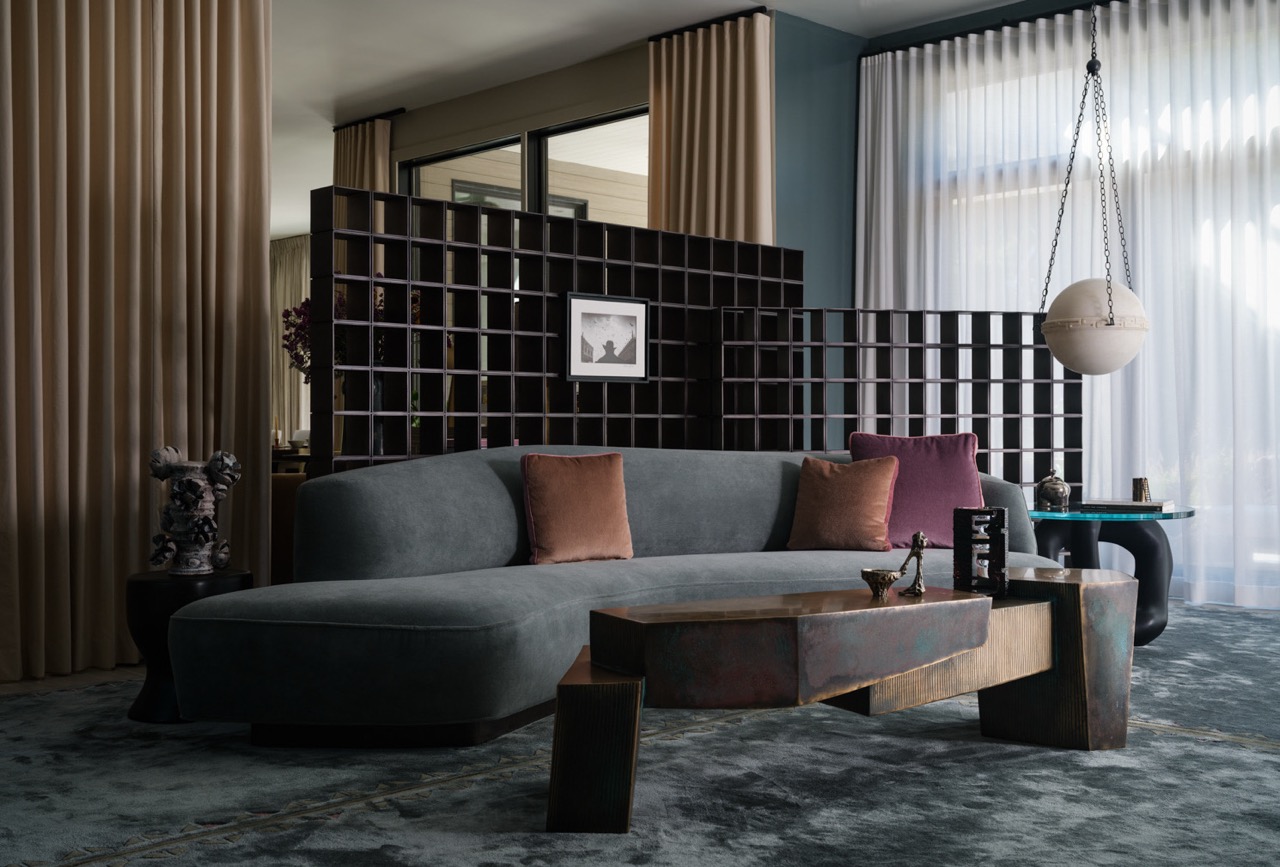
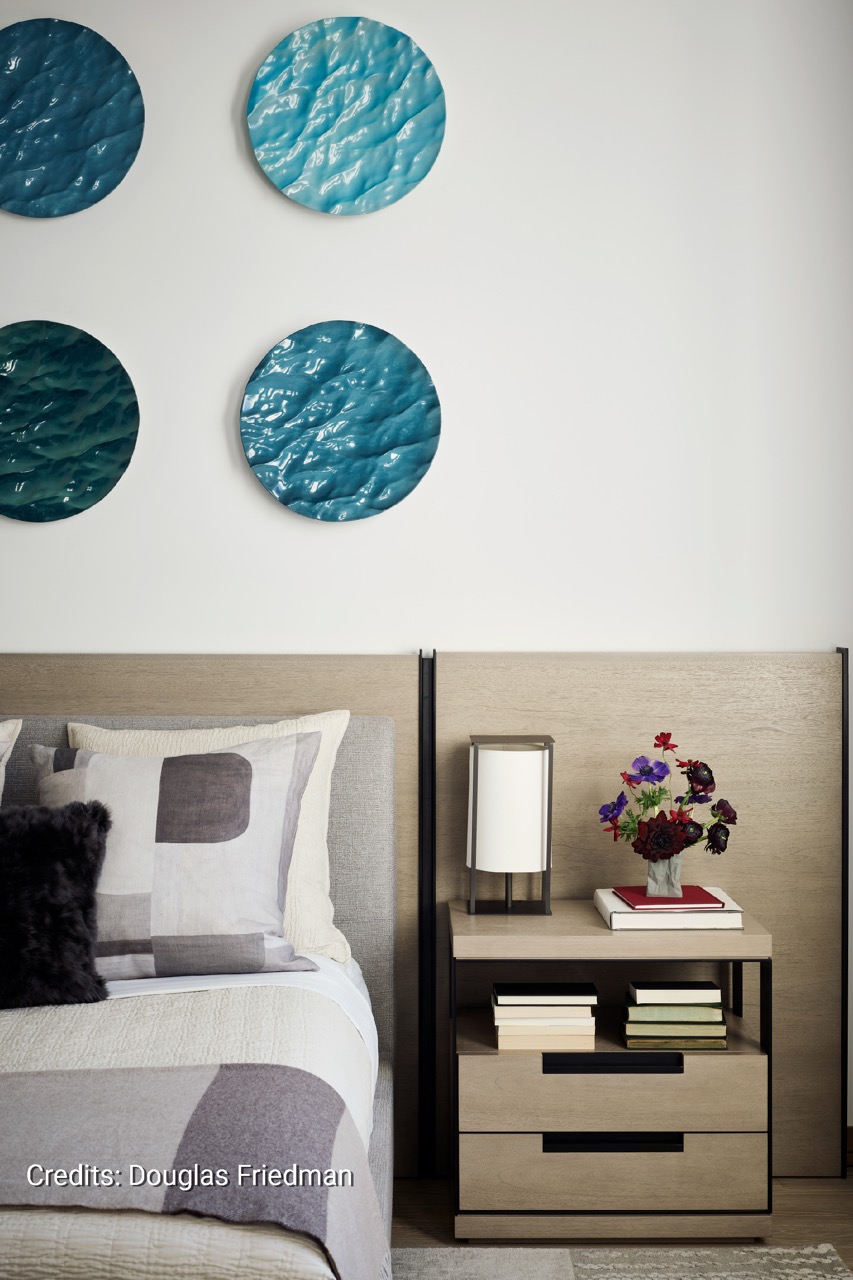
His approach to presenting completed work is similarly deliberate. Early in his independent career, AbouZanat recognized professional photography as one of the most important assets available to a young designer. A project photographed by Douglas Friedman and subsequently featured by Interior Design became a major turning point, demonstrating how photography, styling, and publication could introduce his work to an audience far beyond the original client.
Since then, he has worked to maintain a consistent level of presentation across his portfolio regardless of individual project budgets. The goal is not simply to document a room, but to allow each project to communicate the quality, thoughtfulness, and point of view behind the work.
Beyond Design
AbouZanat’s career has required an unusual willingness to begin again. Visa complications, closed businesses, lost projects, periods without clients, and moves between countries and cities have repeatedly changed the direction of his professional life. Rather than presenting those experiences as separate from his success, he considers them an essential part of the reality of building a creative business.
That perspective has made honesty about the profession particularly important to him. He has spoken publicly about periods when his practice had no active work and he considered returning to employment, even while his projects were receiving significant recognition. For AbouZanat, sharing those realities helps counter the polished version of the industry that designers and clients often encounter online.
“I just never want to sell the fluff story.”
His willingness to take calculated risks has also remained a consistent part of his career. Some decisions have required investing time or money when the immediate return was uncertain, from producing ambitious photography to participating in showhouses. AbouZanat recognizes that those choices do not always make sense on paper or on a bank statement, but he has often trusted that the right investment could create opportunities later.
Supporting other creative professionals is part of that philosophy as well. AbouZanat actively looks for emerging artisans and younger talent to incorporate into projects, reflecting his belief that opportunities and professional support can eventually come back around. His own career has repeatedly been shaped by people who recognized his work, opened a door, or offered another chance at precisely the right moment.
Today, AbouZanat divides his time between Austin and New York, with his presence in Texas opening another chapter for the practice. His longer term ambition reaches beyond interiors and toward product design, reconnecting with earlier periods of his career when he designed furniture and custom lighting alongside complete spaces.
For a designer whose career began without even knowing what a portfolio was, that evolution has been anything but linear. Each transition has added another layer to a practice grounded in functionality, curiosity, resilience, and a willingness to make intentional decisions even when the outcome is uncertain.
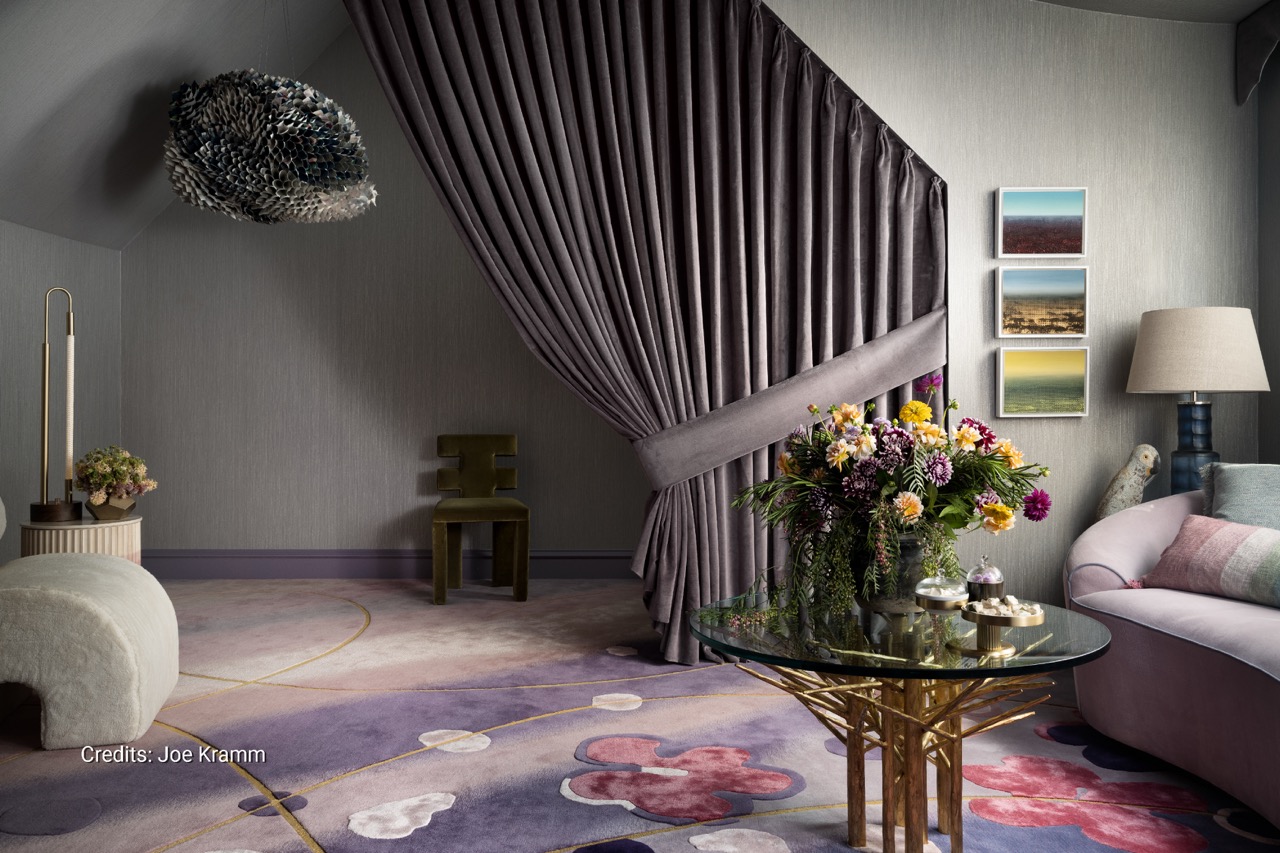
Ahmad AbouZanat on an Unconventional Path, Designing Around Real Life, and the Power of Presentation