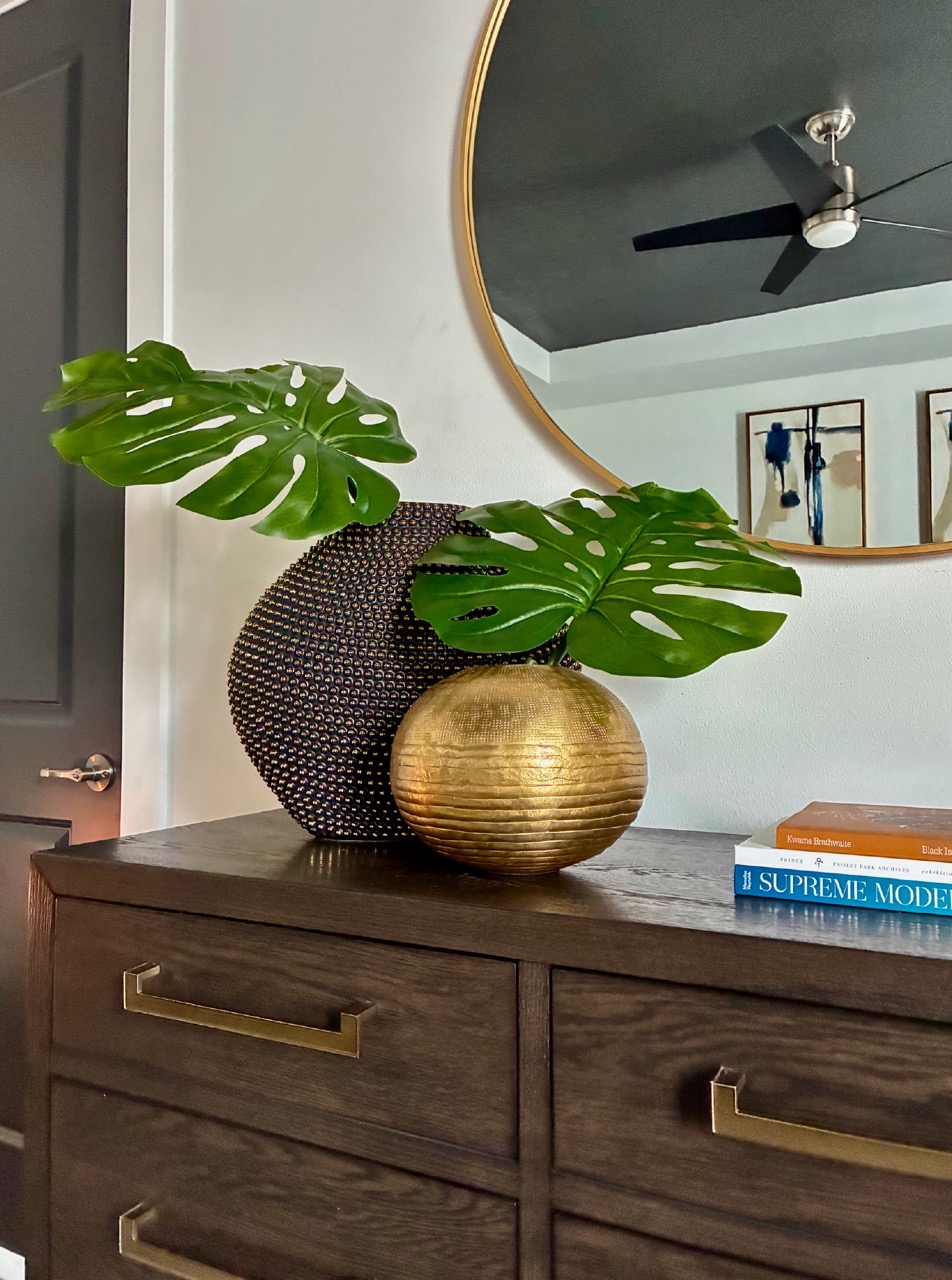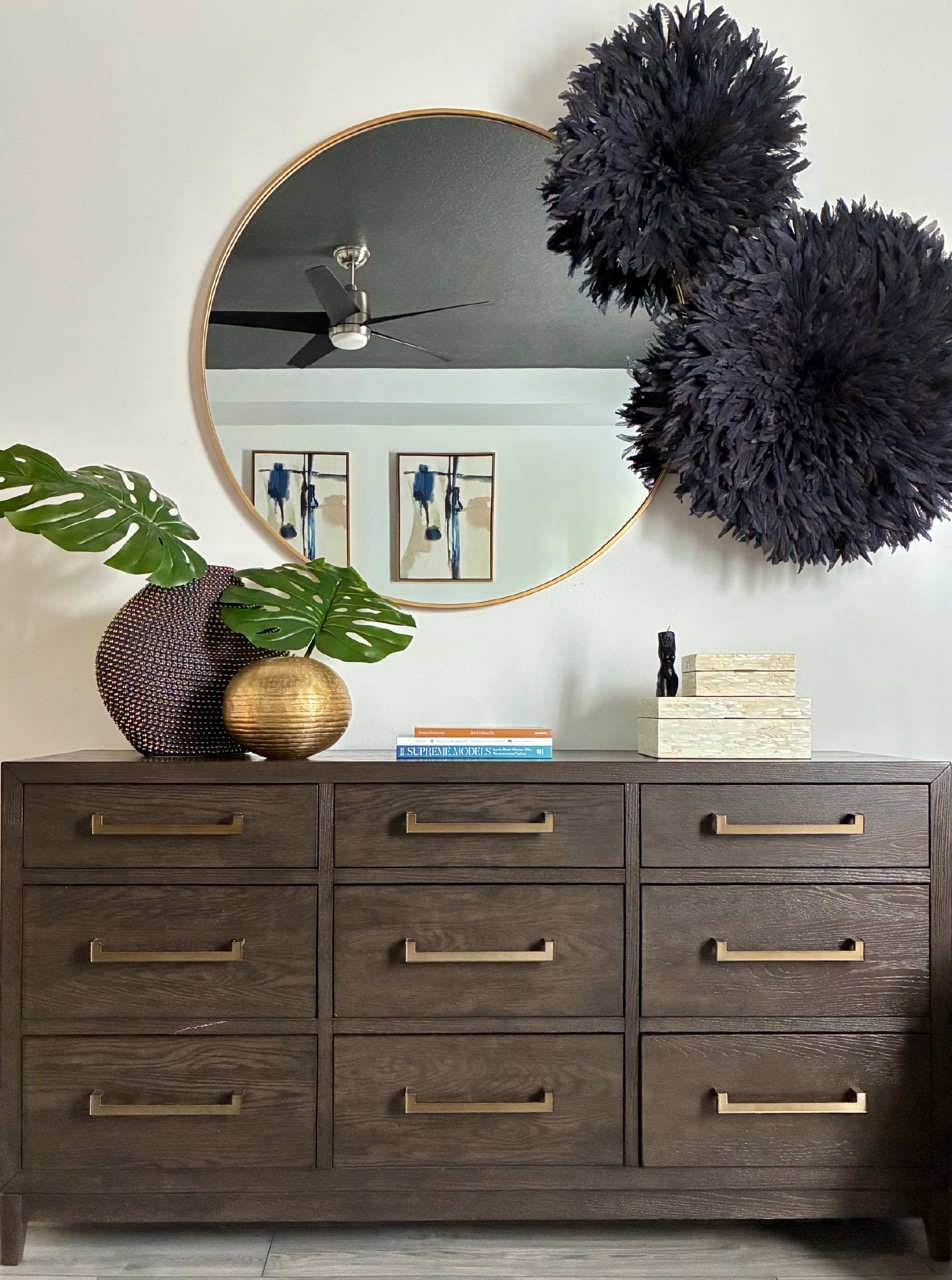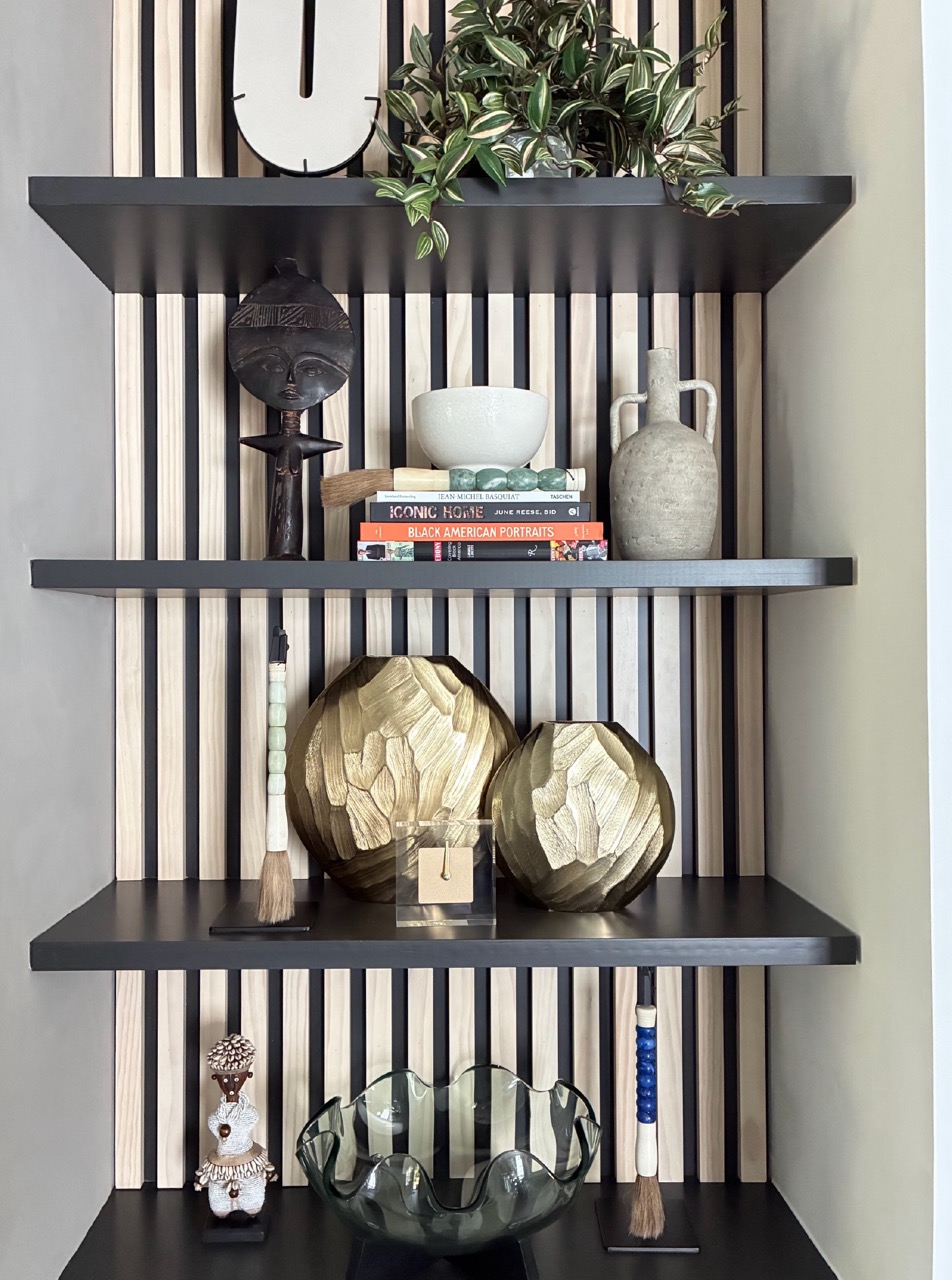
For Timala Stewart, interior design was not the career she originally planned. Her professional background was in buying, sourcing, and merchandising within the furniture industry, a path that eventually led her into design through experience rather than intention.
What began as helping friends create home offices during the pandemic evolved into a design business built around flexibility, collaboration, and a willingness to adapt. Today, Decurated Interiors reflects the same mindset that has guided Stewart throughout her career: identify a problem, find a solution, and keep moving forward.
Turning an Unexpected Moment Into an Opportunity
Stewart’s transition into interior design began during the pandemic when she was furloughed from her position as a buyer for a major furniture retailer.
Friends who knew her background started reaching out for help creating home offices as remote work became the norm. Looking for a way to assist them without entering their homes, Stewart began researching e design and experimenting with simple presentations that included product recommendations and sourcing links.
“I opened up PowerPoint, put some pictures of some items on a slide and put some links in there and sent it to my friends.”
As those projects were shared online, new inquiries followed. What started as helping friends quickly grew into something larger.
By the fall of 2020, Stewart made the decision to leave corporate life and pursue interior design full time.
“It was very scary. Leaving stability, leaving a guaranteed paycheck every two weeks and leaving structure.”
Building a Different Kind of Design Business
Rather than following a traditional full service model, Stewart built her business around e design.
Drawing on her decade of experience in sourcing and procurement, she recognized that while she enjoyed the creative side of design, she did not necessarily want to manage every aspect of procurement and purchasing.
“I decided, you know, I don’t want to do that part of the business, but I want to be creative.”
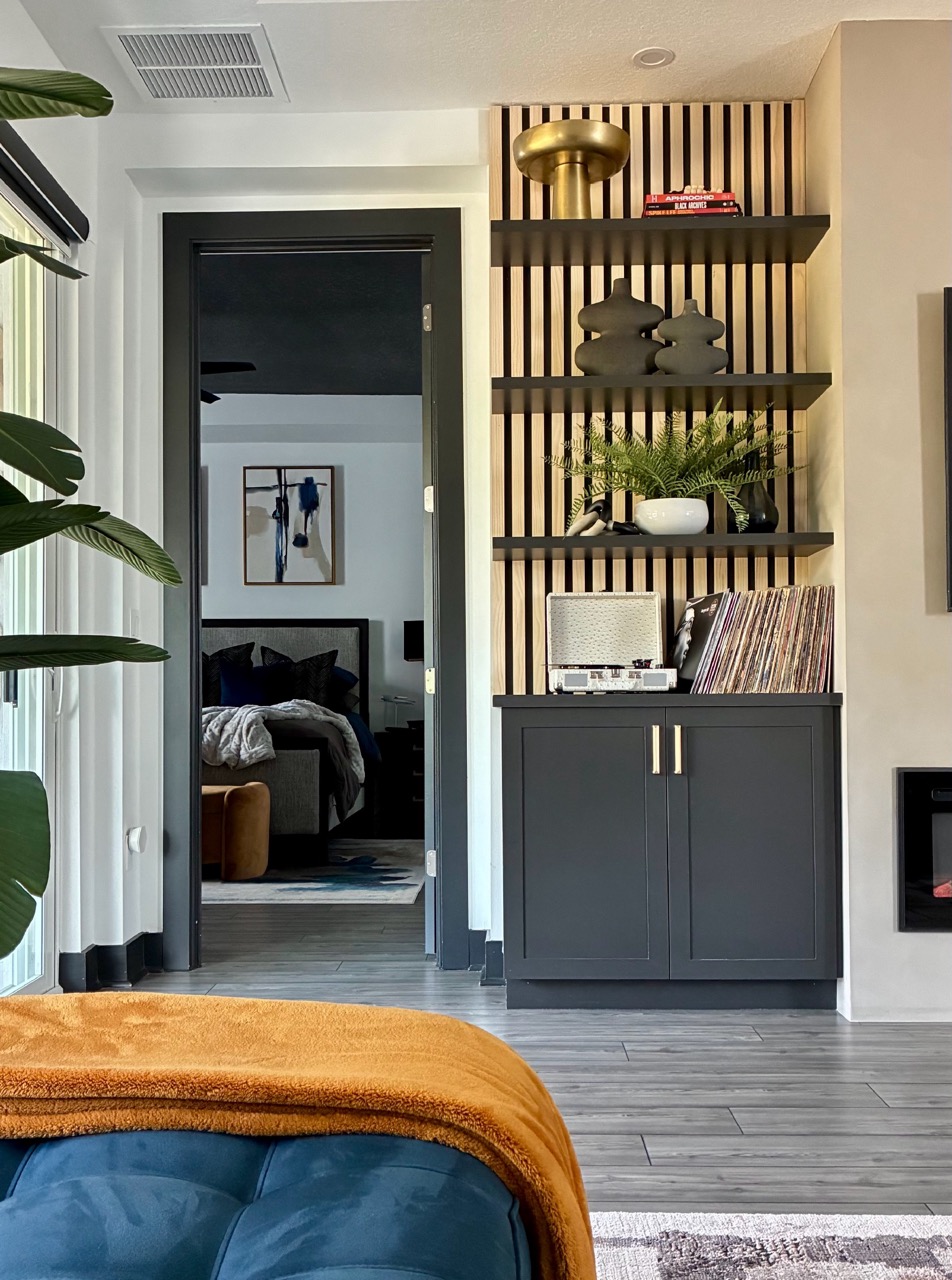
Her process focuses on helping clients define their home’s story, color palette, materials, and overall direction while providing a detailed shopping plan that allows clients to manage purchasing themselves.
The model proved especially effective for clients who were already comfortable shopping online and collaborating digitally.
“I want to give myself a break on that. But I can still assist people with specifically tech savvy millennials who don’t mind purchasing their own products.”
Seeing Opportunity Where Others See Obstacles
Throughout the conversation, a common theme emerged: Stewart’s ability to identify gaps and build solutions around them.
As she connected with other designers, she noticed many struggled with procurement, vendor management, and the operational side of the business.
With years of experience in sourcing and merchandising, she realized she could help.
Around 2023, she expanded Decurated Interiors to include procurement consulting, training designers and procurement managers on systems, workflows, and efficiency.
“I just had a light bulb go off one day.”
Today her business operates as a dual division, balancing interior design projects with procurement consulting and training.
Creativity Beyond Interiors
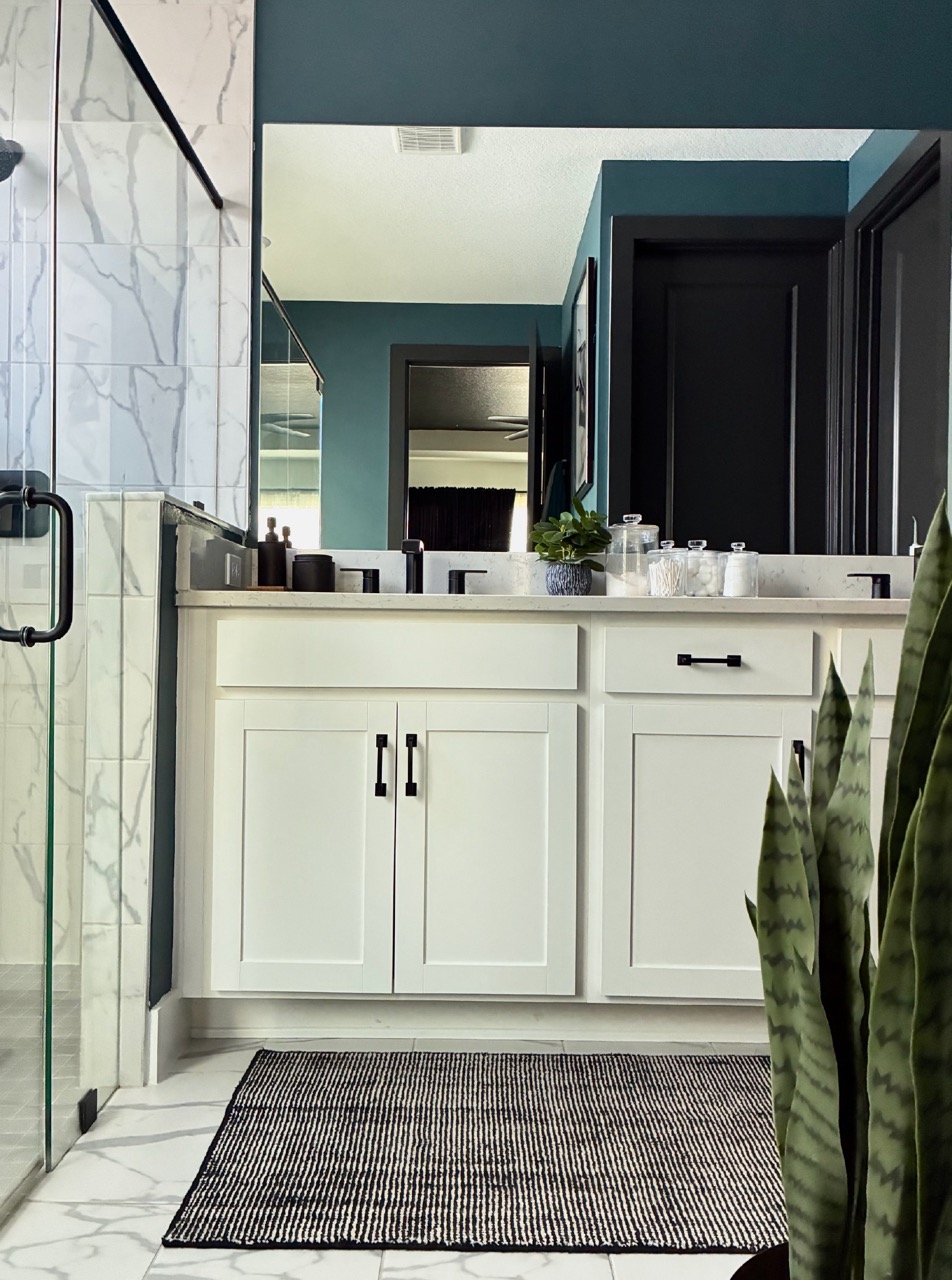
While design is central to her work, Stewart’s creative interests extend far beyond interiors.
She describes herself as someone who has always been drawn to the arts. Throughout her life she explored painting, photography, dance, fashion merchandising, and even considered a career in hair and makeup.
Music remains one of her strongest creative influences.
“I am an R&B house, afro house enthusiast. I love, love, love music.”
Travel often includes searching for local record shops and adding to a growing vinyl collection. During the pandemic she was even selling abstract paintings alongside her e design projects.
“My friends call me a renaissance woman.”
Learning to Trust Yourself
For Stewart, one of the greatest lessons of entrepreneurship has been learning to trust her own instincts.
Without the structure of a corporate environment, every decision becomes personal. Successes and failures belong entirely to the business owner.
“You have to trust yourself.”
That mindset has helped her navigate slower seasons, test new services, and continue evolving her business.
She recently launched Decurated IRL, an event series designed to bring creative people together through hands on experiences, and is testing a new service focused on Instagram SEO for interior designers.
Each new idea connects back to the same goal: helping people create better homes while building community and sharing knowledge.
“I’ve had this ability to stay committed to it.”
For Stewart, the journey has never been about following a predetermined path. It has been about recognizing opportunities, solving problems, and having the confidence to keep going.