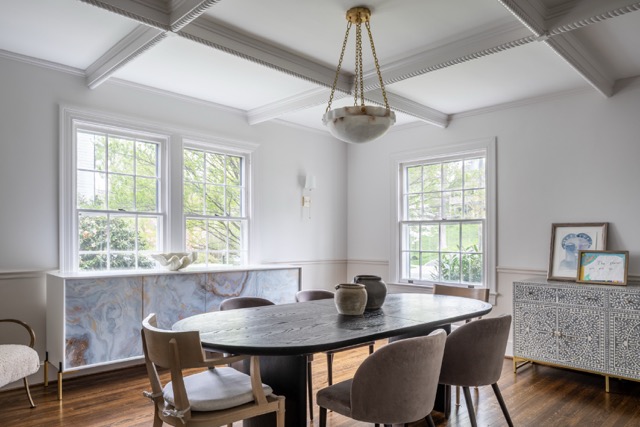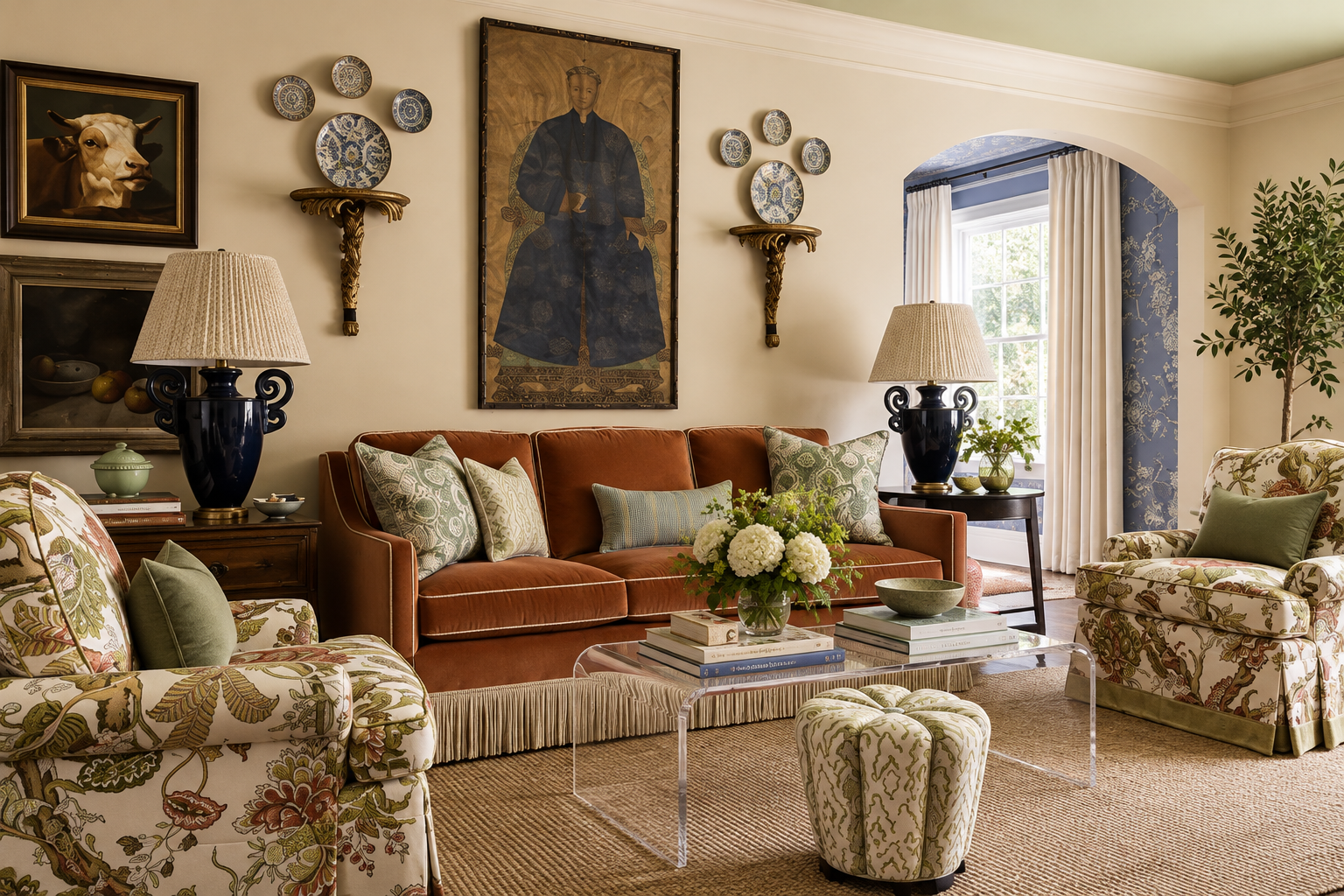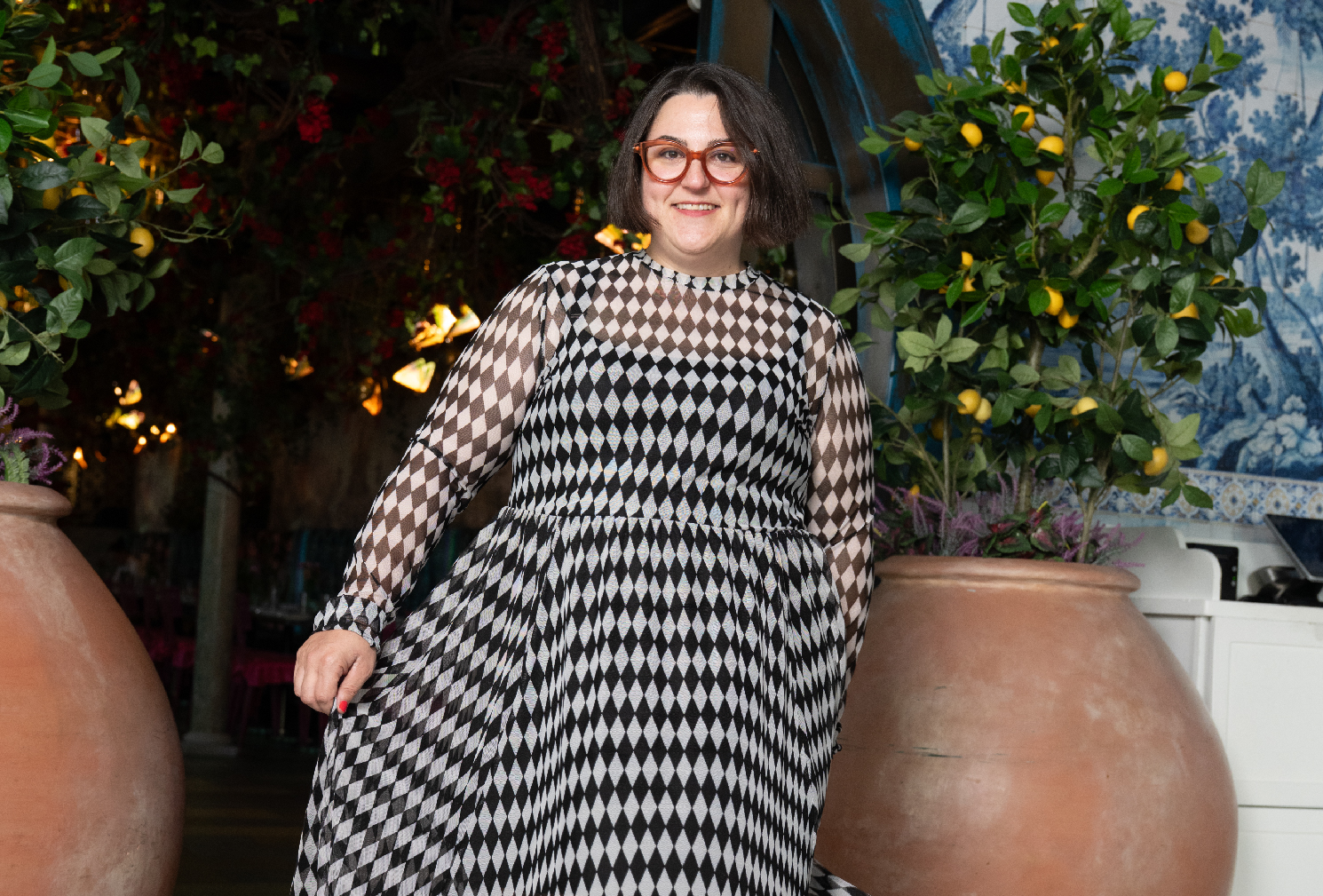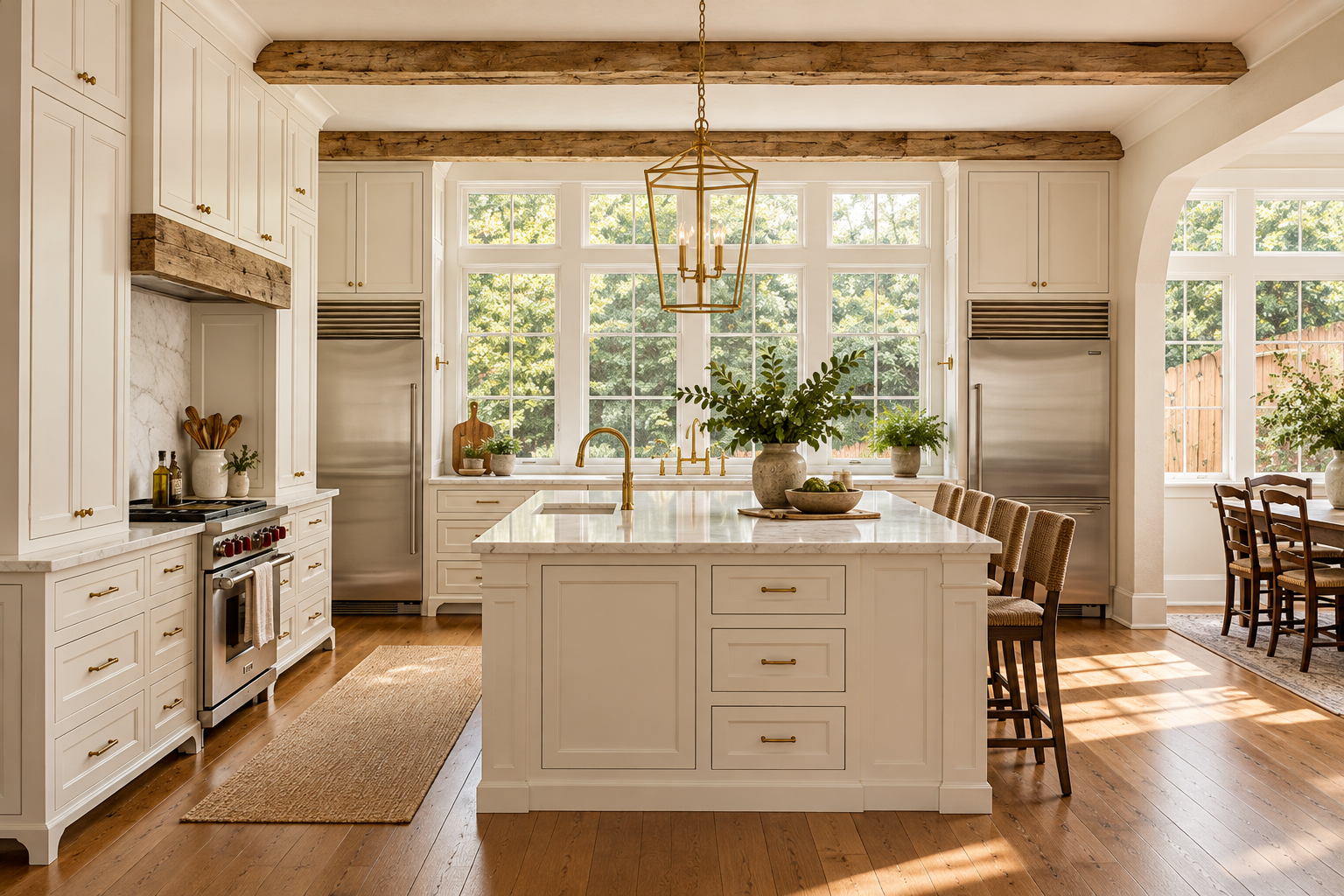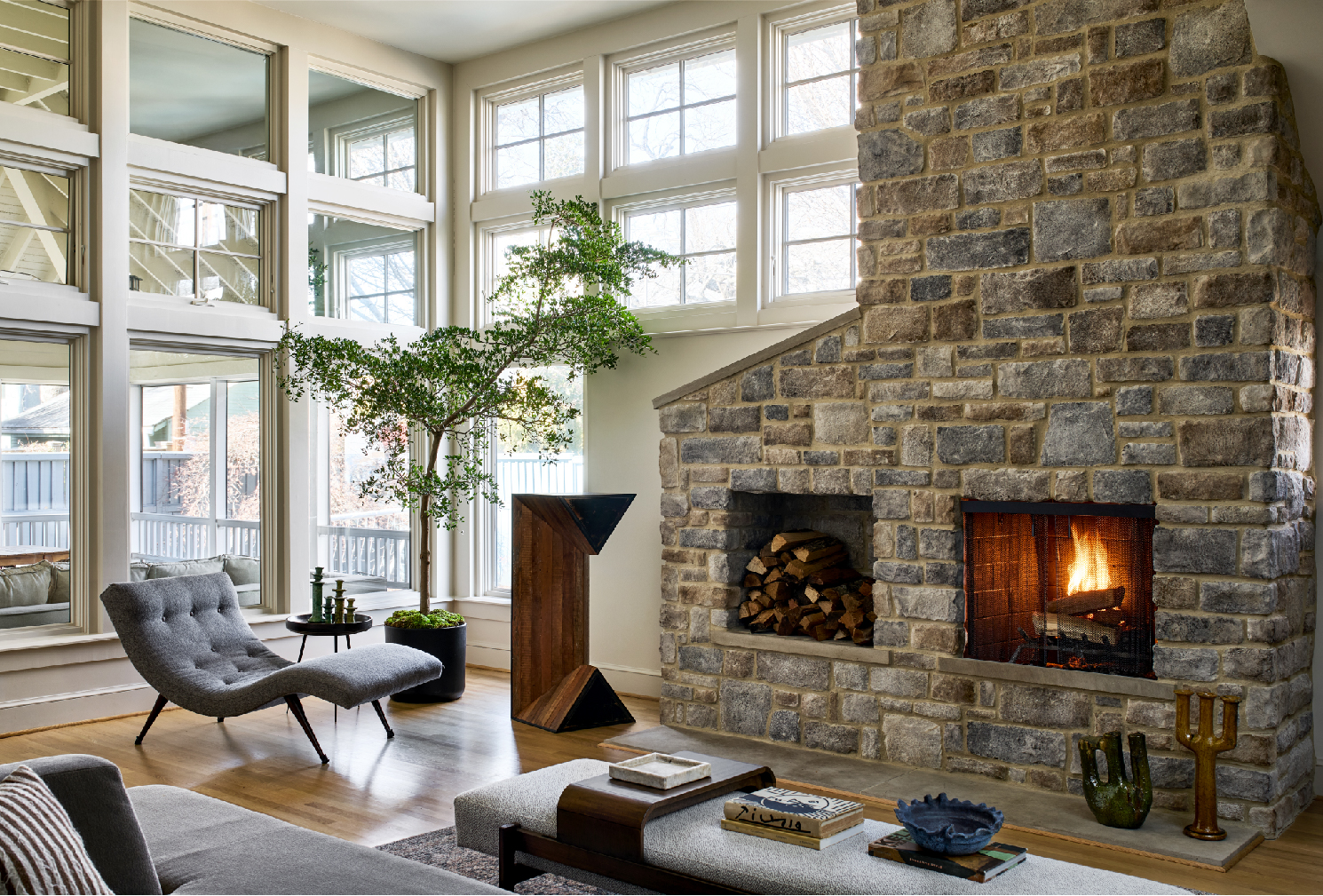
In this Sydney Katz interview, the Founder and Principal of SDK Architecture shares how art, architecture, and client relationships have shaped her approach to residential design. For Katz, architecture has never been limited to the structure of a building. It is an opportunity to consider the entire experience of a space, from architectural details and furnishings to the artwork that gives a room its character.
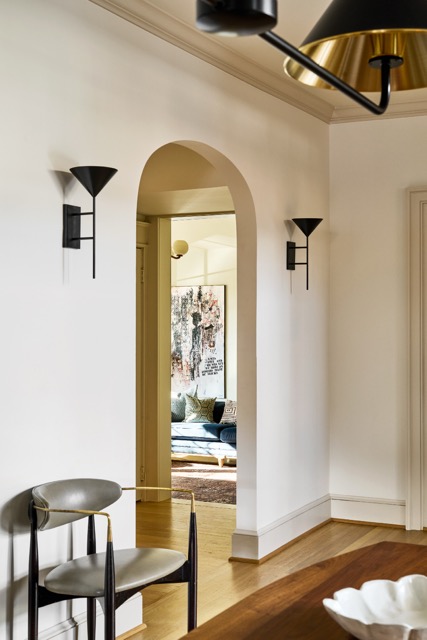
Her path into architecture was not entirely planned, although the influences were present from childhood. Growing up around art, architecture, and entrepreneurial parents helped shape her appreciation for creativity and independence. Years later, those interests came together when Katz established her own firm, creating the opportunity to approach architecture and interiors as connected parts of a larger vision.
Discovering Architecture Through Art and Curiosity
Katz grew up with an appreciation for architecture and art, influenced by her mother, an art collector with an interest in historic and contemporary buildings. Architecture was familiar to her long before she considered it a career, but her early ambitions included everything from law to fashion design and acting.
A summer architecture program at Pratt Institute gave her a first taste of architecture. Katz went on to study architecture at the University of Southern California, where she began developing her professional experience, including work with Perkins & Will.
Following graduation, she joined a firm specializing in high end custom residential architecture, particularly traditional and classical design. The opportunity introduced her to the level of detail, craftsmanship, and collaboration required to create highly individualized homes.
Looking back, Katz recognizes that her interest in architecture was connected to a broader desire to design. She had also considered furniture design, but saw architecture as a foundation that could allow her to explore many creative disciplines.
That perspective continues to shape her work today. Rather than separating architecture from the spaces within it, Katz approaches a project as a complete composition, with architecture, interiors, and art contributing to the same experience.
Building an Independent Practice
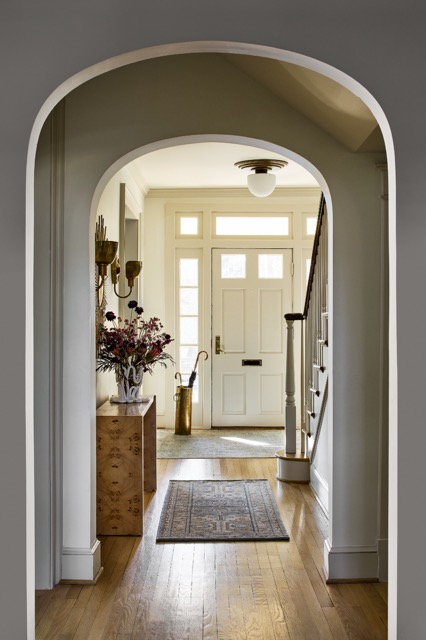
Katz had always wanted to be the boss of something, whether as a partner at her firm or by starting her own, but for a long time the idea of running her own company felt intimidating. Both of her parents had entrepreneurial backgrounds, and she grew up understanding the independence and responsibility that came with running a business.
By the fall of 2021, her perspective began to change. A potential project helped her recognize that establishing an independent practice was financially possible. What had once seemed like a distant ambition suddenly felt achievable, and she incorporated SDK Architecture in December of that year.
The transition was supported by relationships Katz had developed throughout her career. Builders, interior designers, and former clients already knew her work and trusted her ability to deliver detailed designs, solve problems, and remain engaged throughout a project.
Those relationships became the foundation of the new studio. Referrals from collaborators, previous clients, and professional contacts helped establish a steady stream of opportunities without requiring Katz to rely heavily on traditional marketing.
As the practice has grown, she has continued to navigate the balance between designing and managing a business. Her days might include visiting construction sites, reviewing drawings, coordinating with consultants, selecting finishes, or addressing questions from clients and team members.
The variety is part of what she enjoys. However, growth has also required learning to delegate responsibilities and trust the talented people around her, allowing the studio to expand without depending on her involvement in every detail.
Designing for the People Who Live There
SDK Architecture operates with a strong emphasis on service and personal relationships. Katz believes that exceptional design and responsiveness should work together, particularly when creating homes tailored to the people who will occupy them.
Her projects vary significantly in scale, architectural character, and location. On Maryland’s Eastern Shore, for example, she has worked on renovations to a home designed by Hugh Newell Jacobsen while also developing a new waterfront family compound influenced by the region’s traditional architecture.
The two projects require entirely different design approaches, but the underlying philosophy remains consistent. Katz wants to understand the property, the people, and the experience the clients hope to create.
She does not believe her personal preferences should determine how someone else lives. Instead, she sees her role as helping clients develop homes that reflect their needs while benefiting from the studio’s architectural knowledge and creative perspective.
That commitment extends to the smallest details. Katz enjoys the technical process of developing plans and elevations, resolving construction details, and understanding how individual elements come together. She is equally interested in the tactile decisions involving fabrics, finishes, furnishings, and lighting.
For Katz, those responsibilities are not separate from architecture. They are all part of creating a cohesive home.
Art as Part of the Architectural Experience
Art occupies a central place in Katz’s life and professional practice. She grew up surrounded by it, continues to collect it, and considers how artwork will interact with a space throughout the design process.
Rather than treating art as a final decorative addition, Katz thinks about where it will live, how it will be experienced, and how architecture can accommodate a client’s collection.
Her own collection reflects an open and personal approach. It includes works by local artists, pieces discovered through social media, family artwork, paintings, prints, and other objects that have captured her attention.
Katz is not particularly concerned with an artist’s fame or market recognition. What matters is whether a piece resonates with her.
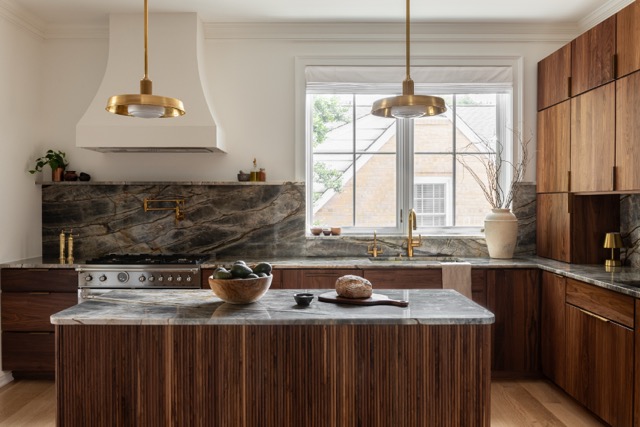
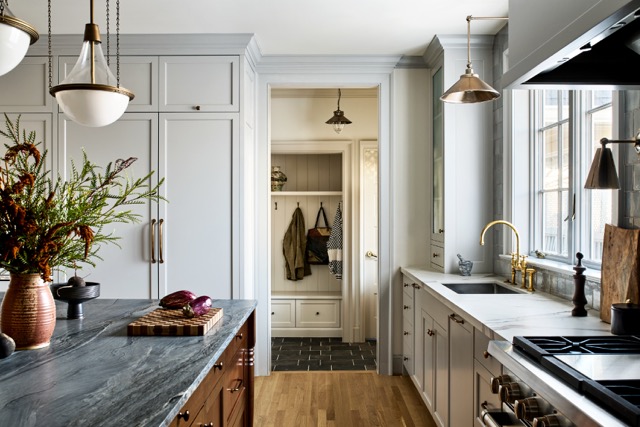
That same curiosity extends beyond art. She loves cooking and brings that experience to kitchen design, considering how spaces function for people who genuinely enjoy preparing food and spending time there.
These interests reinforce her belief that architecture should support everyday life rather than exist only as a visual statement. Beautiful spaces matter, but so does the experience of living in them.
Growing Through Collaboration and Connection
As SDK Architecture continues to develop, Katz remains conscious of the relationships that make the work possible. Her team includes professionals with whom she has established longstanding connections, and she values the expertise of the builders, engineers, and interior designers who contribute to each project.
Among those collaborators are structural engineer Chris Cobb of Cobb AE, builders including Horizon Builders and Apex Construction, and interior designer Tracy Morris, whose professional support and mentorship have played an important role in Katz’s career.
The studio’s growth has also encouraged Katz to reconsider how she spends her time. Delegating work does not always come naturally, but she recognizes that a successful practice requires more than one person carrying every responsibility.
Ultimately, Katz measures success through the experiences of her clients. Awards, publications, and business milestones have their place, but hearing that a client loves their home or receiving a referral from someone she has worked with for years carries particular meaning.
She takes pride in knowing that people are happy in the spaces her team creates, that they continue to use and enjoy those spaces, and that the relationships established during a project often extend well beyond its completion.
For Katz, that is what connects the technical, artistic, and personal sides of architecture. The goal is not simply to create an impressive building, but to design a place where people genuinely love to live.