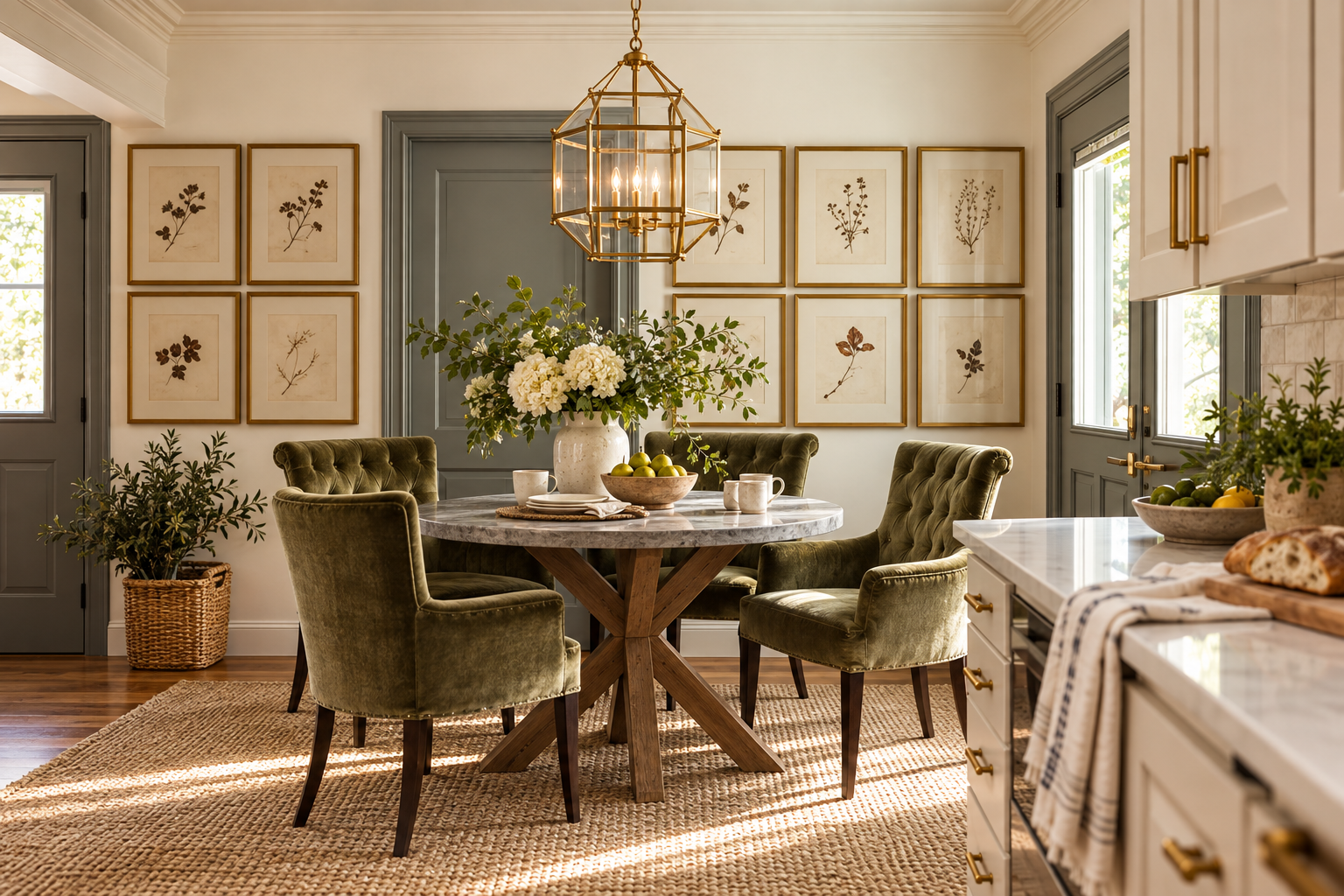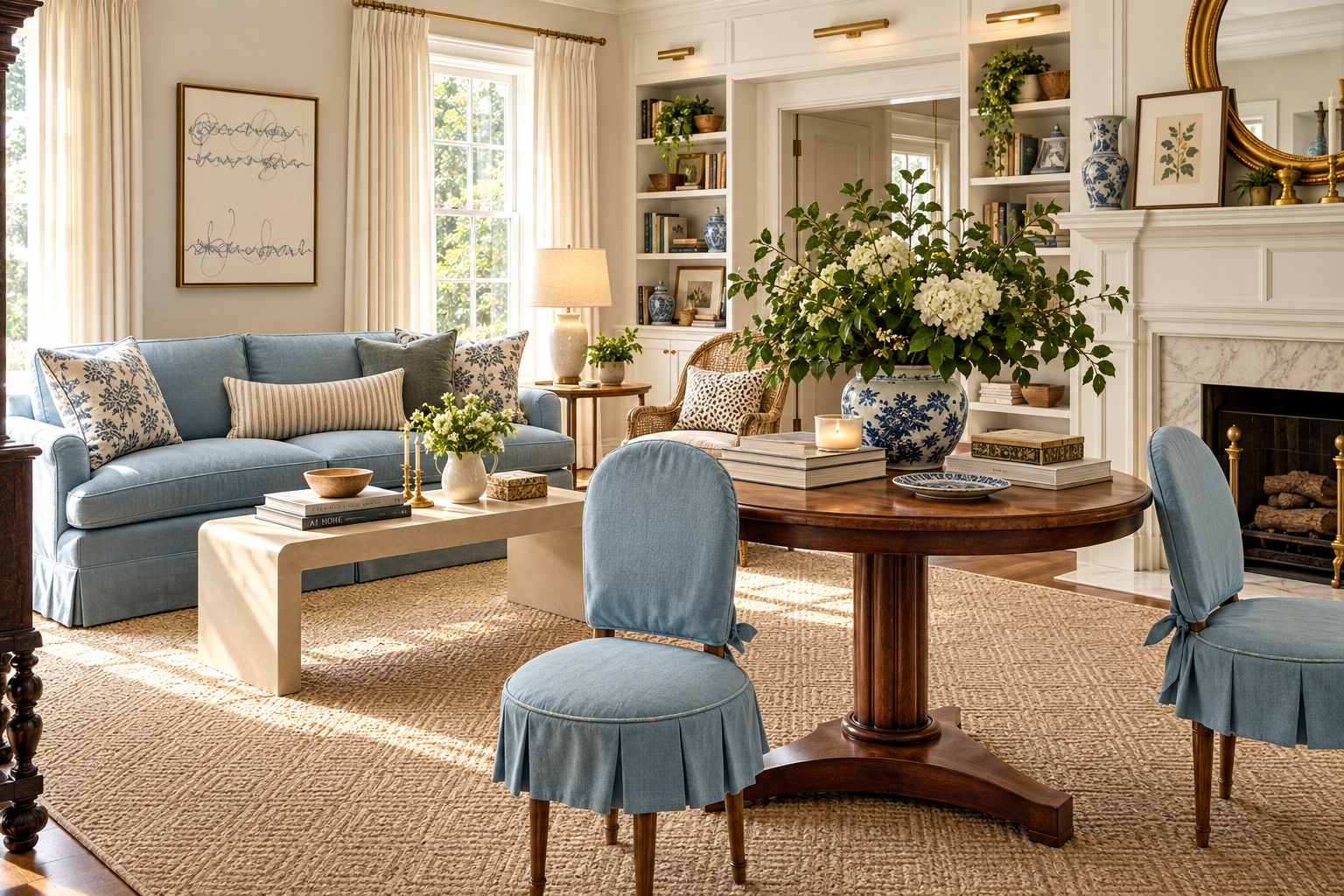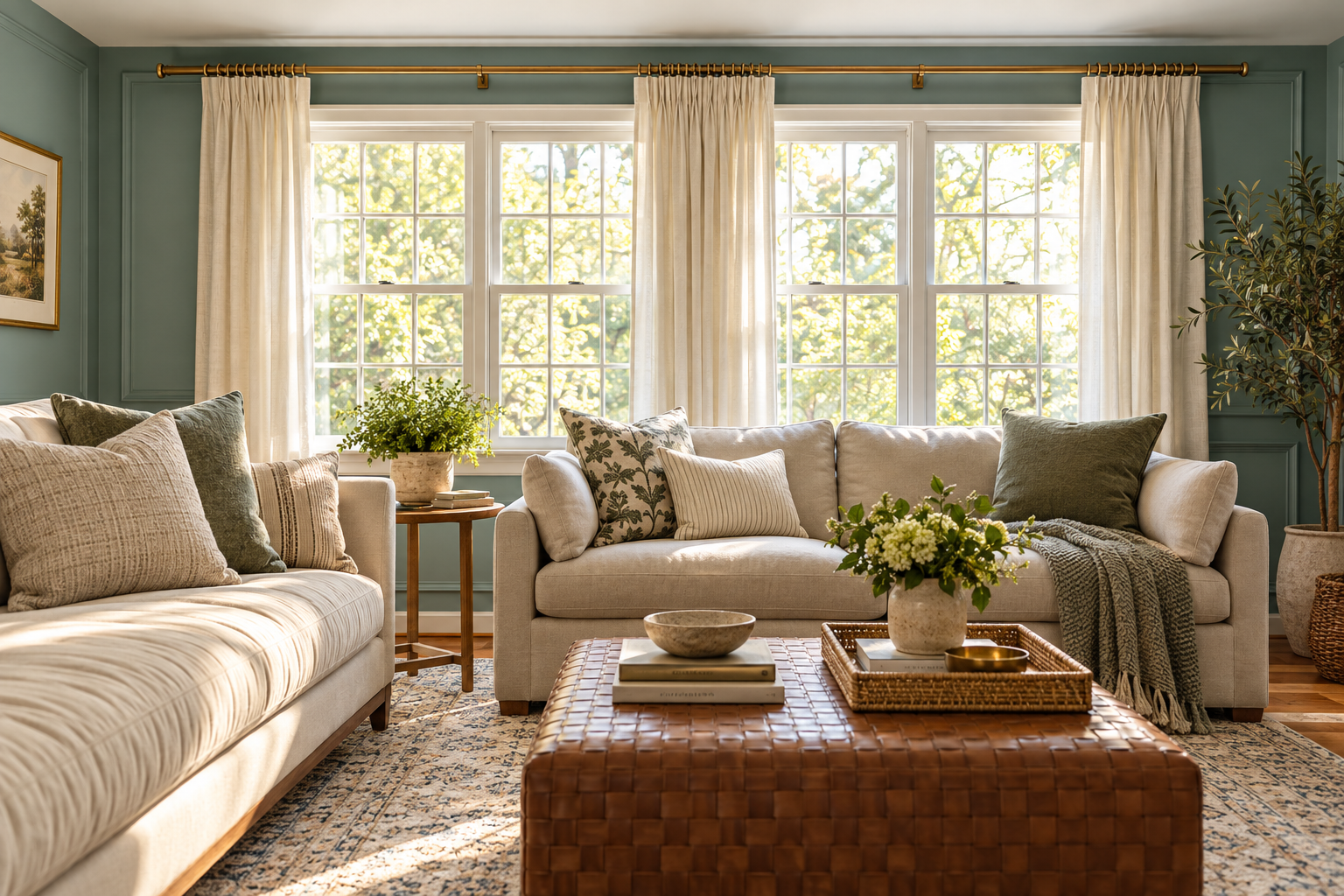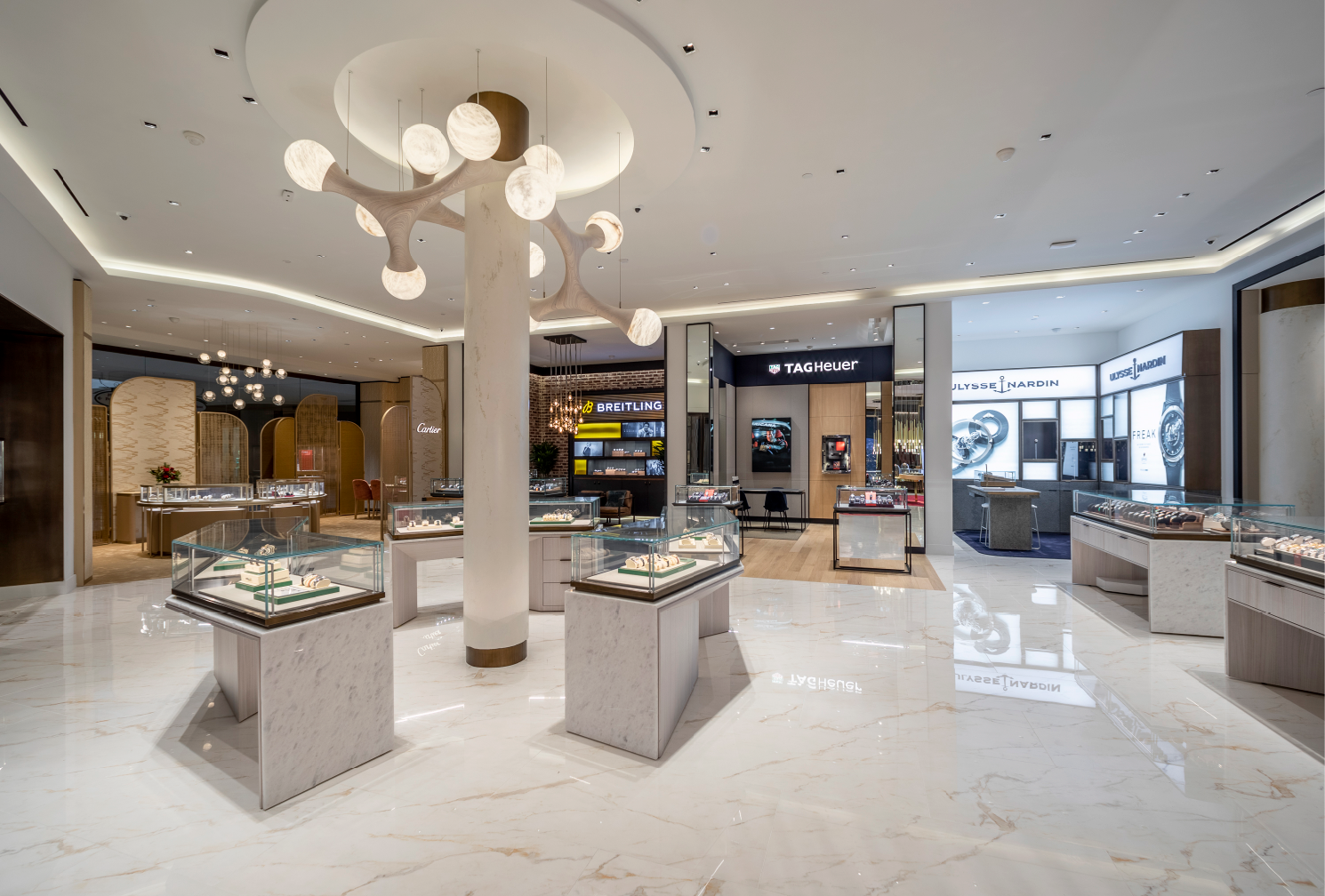
ASID South Florida 2025 Design Excellence Award Winner for Commercial Retail Design
For Mario Echeverria from Echeverria Design Group, design has always been tied to observation, instinct, and understanding how people move through space. Long before building relationships with major retailers and large commercial clients, he was sketching furniture layouts inside a showroom, learning in real time how design decisions affected the people around him.
That mindset still shapes the work today. Whether designing a retail environment, restaurant, or entertainment space, the focus remains the same, understanding the end user and building spaces that function well long after the project is complete.
Learning through opportunity
Echeverria’s introduction to design came early, shortly after leaving school and trying to find direction. Without the opportunity to attend a major university, he entered the workforce young and began working at a furniture showroom in Miami.
“I used to sketch. I love sketching. I still do it.”
What began as helping salespeople quickly evolved into a larger role within the showroom, where he was creating layouts and concepts while others handled the sales side of the business.
“I realized that yeah, wait a minute, I’m doing all the work and these guys are making the commission.”
That realization pushed him toward starting something of his own.
Building momentum through instinct
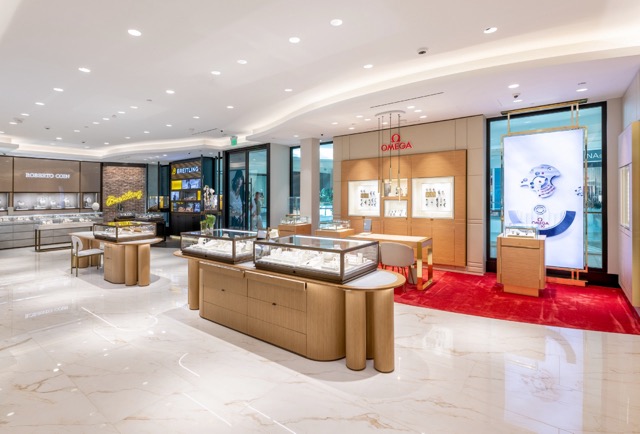
After the showroom closed, a residential client introduced him to his first commercial project, a small store in Coconut Grove’s Mayfair development during the early 1980s.
“I’ve never done one of those, but I’ll give it a shot.”
The project became a turning point. Echeverria worked around the clock to complete the space, incorporating details and lighting elements that felt different from what was common at the time.
“It brought me a lot of other clients.”
One project quickly led to another. Retail clients, referrals, and industry connections expanded the business organically, eventually leading to national projects and relationships with major department stores.
Designing for the client’s client
A phrase Echeverria created when starting the company continues to guide the studio decades later.
“We design for our client’s clients.”
For him, design is never only about the immediate client relationship. The real focus is the end user, how people interact with a store, how they move through a space, and how the environment supports the experience.
That perspective shapes how the firm approaches projects in different cities and markets. Rather than repeating the same formula, the team studies the location, customer base, and cultural context before developing a design direction.
“We go through all the steps to get there.”
Relationships built over time
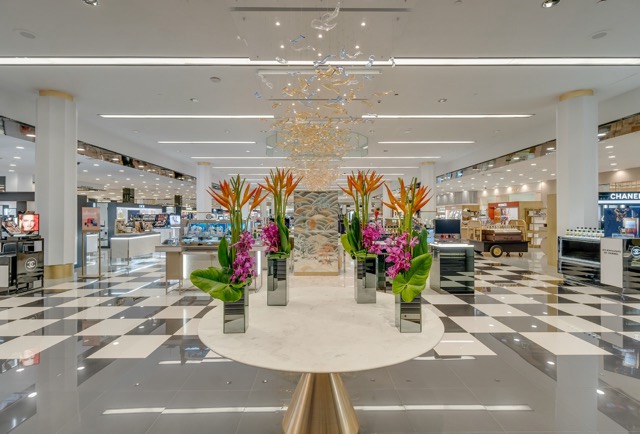
Much of the firm’s growth came through long term relationships and reputation. A recommendation from a lighting representative eventually led to work with Burdines, which later opened the door to large scale projects with Federated Department Stores, Bloomingdale’s, Macy’s, and Mayor’s Jewelers.
Instead of immediately accepting a massive assignment, Echeverria chose to begin with a smaller project first.
“Give me a small little space of that. Let me get acquainted with your system.”
That approach established trust and created partnerships that continued for decades.
Problem solving as part of the work
Echeverria is drawn to projects that involve complexity and coordination. Current work includes large entertainment environments with multiple systems, restaurants, and technical requirements that demand extensive collaboration and approvals.
“It’s a fun project for us because we never done one of those.”
The challenge is part of what keeps the work engaging.
“There’s a process we use internally that works well.”
At the same time, he credits much of the company’s success to the team around him, particularly their ability to manage systems, schedules, and communication across large projects.
Constant observation
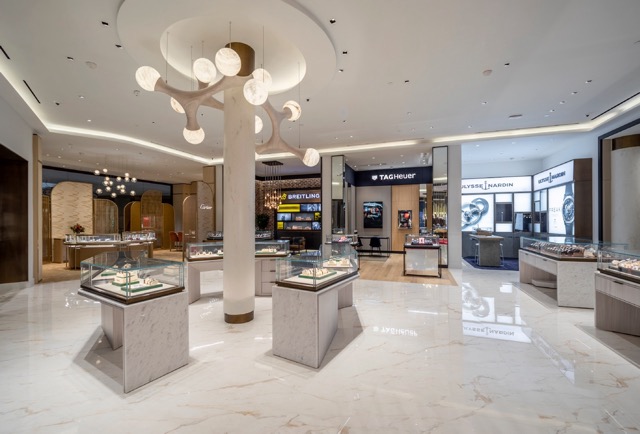
Even outside the office, Echeverria approaches the world analytically. Walking through stores, restaurants, and public spaces becomes an opportunity to study behavior, circulation, and how environments perform.
“I watch people, how they move in the store.”
That curiosity extends into nearly every environment he enters, observing what works, what does not, and how design decisions shape experience.
“It’s a constant learning.”
Creating balance
While design remains a constant presence in his life, Echeverria also values creating separation from work. Time at home with family, collecting orchids with his wife, and watching his grandchildren play sports all provide moments to disconnect from the pace of the business.
He described the drive home as a mental reset, a way to leave the pressures of work behind and shift into a different environment at the end of the day.
“That’s my peace.”
That balance allows him to return to projects with clarity while maintaining the energy and curiosity that continue to drive the studio forward.