Director/Designer of The Tap End
Background
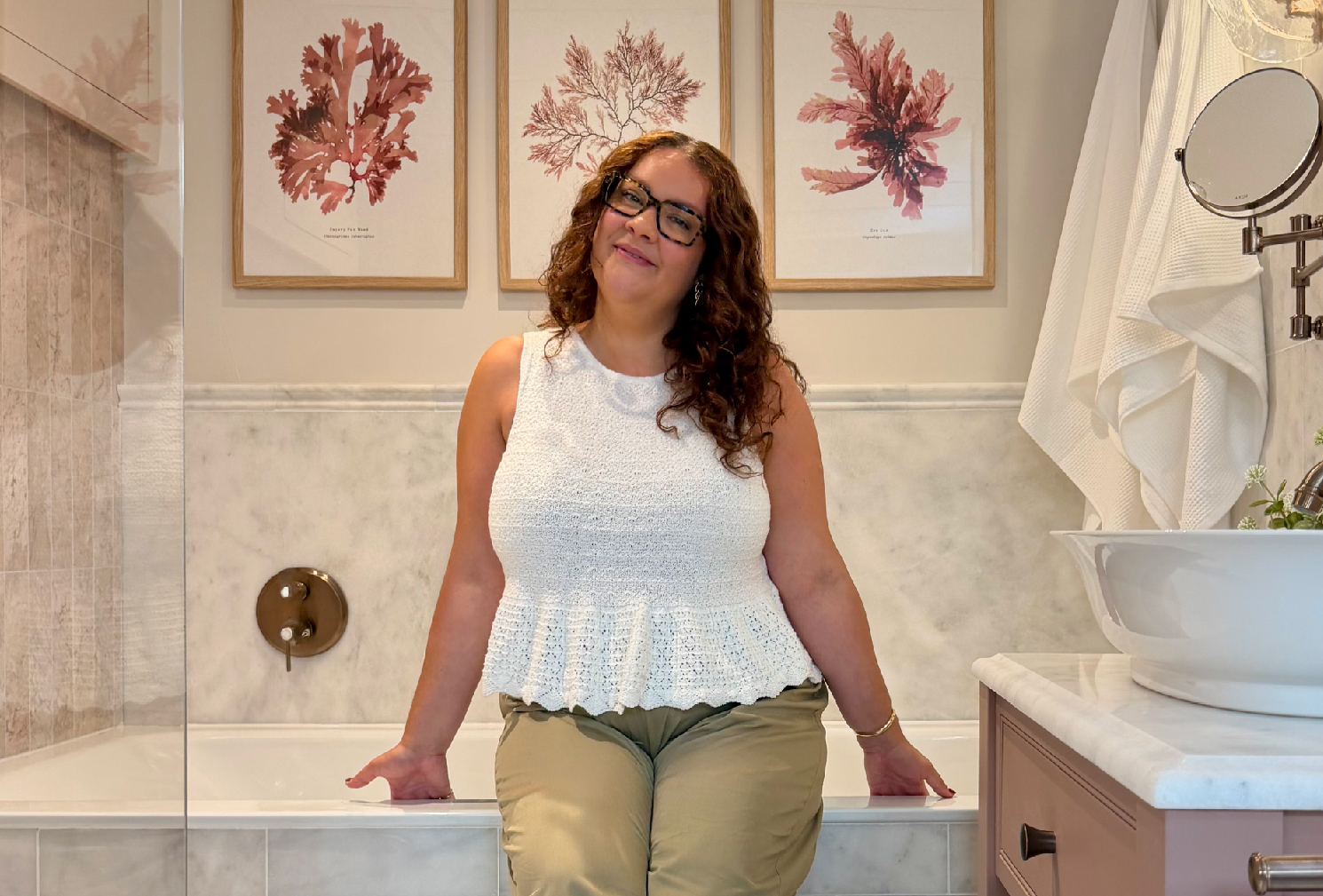
Justine Bullock grew up in a small community in Wales, far removed from the kind of homes and design projects that would eventually become part of her everyday life. She describes her community as one with very little money and few examples of people running businesses. Even then, she knew she wanted to work in an industry where she could make things beautiful.
That instinct first led Bullock to fashion. She studied and briefly worked in the industry, but quickly realized that its competitive environment was not right for her. Coming from a small village in Wales, she missed the sense of community she knew at home and eventually moved into interiors.
Bullock spent seven years managing another interior design company, where she discovered a particular interest in luxury bathrooms. She was drawn to the combination of creativity and technical detail and began to believe that specializing could create a stronger, more focused business.
The decision to pursue that idea came during a supplier trip to Miami. Bullock and her employer had different visions for the future of the company, and Bullock realized she needed to build the specialized practice she imagined herself. About a month later, she handed in her notice and began what would become The Tap End. She started the company with an older partner and later bought her out when she retired, leaving the business entirely her own.
Starting the company required significant personal risk. Without outside financial backing, Bullock sold her car and remortgaged her home. She found an affordable commercial space, created a basic website and social media presence, and gradually reinvested in the studio as the business grew. What she originally imagined as a small operation selling a couple of bathrooms each month quickly became much more.
Approach
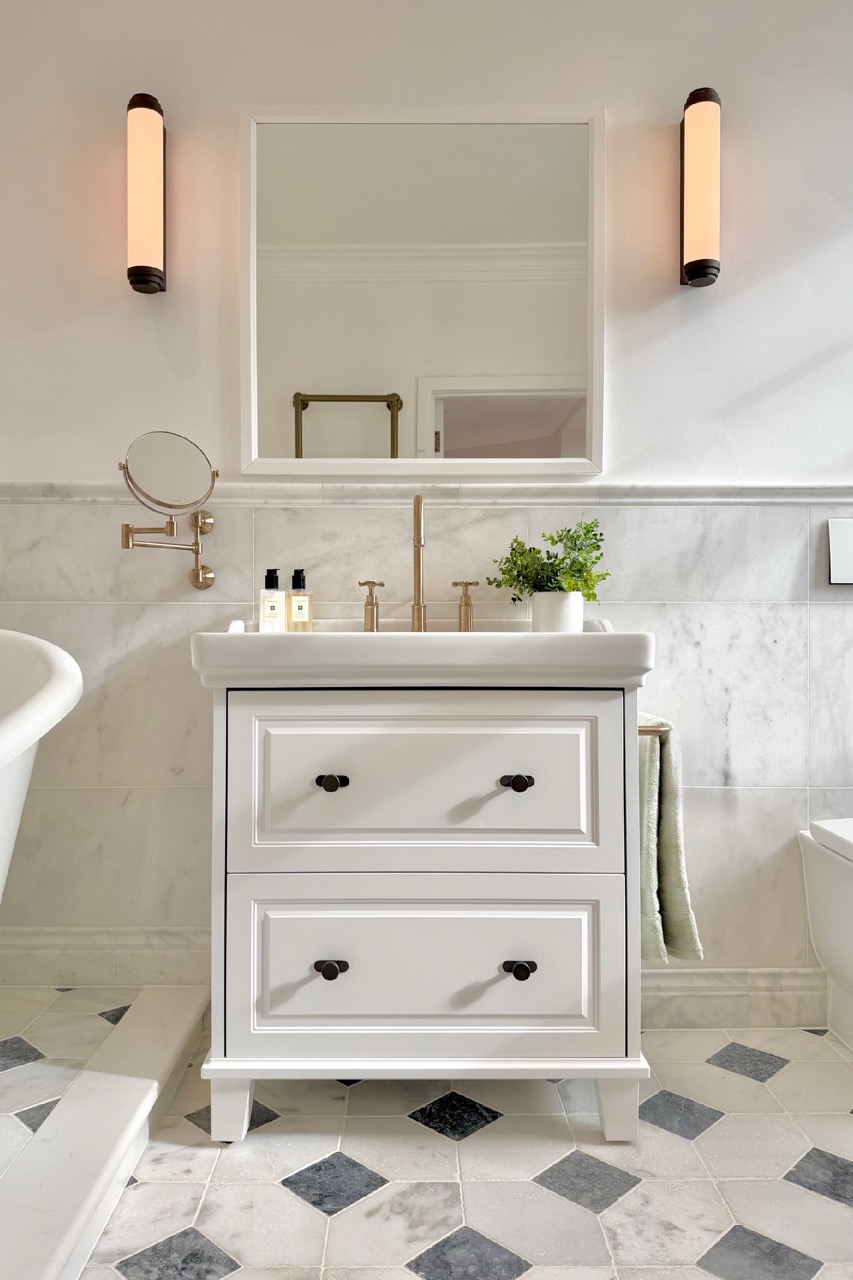
Bullock’s approach to design is rooted in flexibility. The Tap End works across Victorian and Edwardian properties, architecture from the 1970s, coastal homes, and a wide range of budgets. Rather than applying one recognizable aesthetic to every project, Bullock wants the studio to respond to the individual client, property, and brief.
Her background in fashion continues to influence how she thinks about balancing beauty and budget. She learned that an entire outfit does not need to consist of designer pieces to feel elevated. The same principle applies to interiors. A standout product, architectural decision, or carefully selected detail can bring distinction to a project while allowing more economical choices elsewhere.
Education is also an important part of the process. Many clients arrive without extensive knowledge of bathroom brands or products, so Bullock and her team explain differences in quality, function, and value as they design. The goal is not simply to present something attractive but to help clients understand why particular decisions will work for them.
That relationship extends beyond the design itself. Bullock describes the experience at The Tap End as a combination of interiors and Welsh hospitality. She wants clients to feel welcomed rather than simply sold to, and many of those professional relationships have developed into friendships over the years.
Bullock brings the same care to her team. She remains closely involved in the studio, but protecting staff wellbeing is a priority. She wants the people around her to have the space and energy required to remain creative, without feeling expected to work after hours or sacrifice their personal time to keep up with the business.
The studio is preparing a rebrand and relaunch for its tenth anniversary, expanding carefully into laundry rooms and wellness spaces such as steam rooms and infrared panels. Kitchens may follow, but Bullock is in no hurry.
Beyond Design
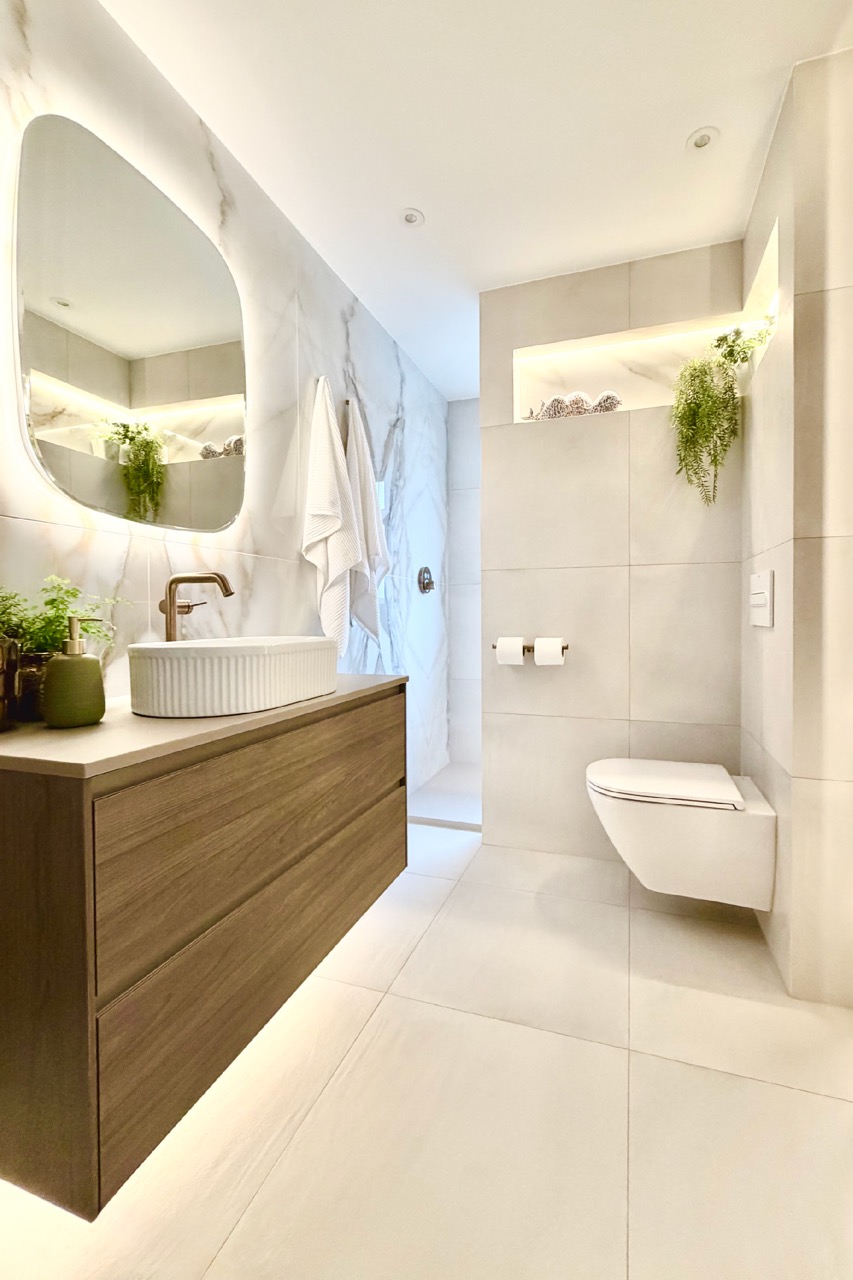
Wales remains central to Bullock’s identity. After experiencing professional life elsewhere, she knew she wanted to return home. She values knowing her neighbors, talking with people in her community, and building a creative career without having to leave the place where she feels most comfortable.
When she needs creative renewal, however, Bullock often travels to Marrakesh. She visits several times a year and is inspired by the city’s colors, food, architecture, hospitality, and sense of discovery. She is particularly drawn to the hidden spaces behind seemingly ordinary streets and doors, as well as the courtyards at the center of traditional riads. She is currently learning the language and hopes to eventually develop business connections there.
Her greatest source of pride is not a particular project or award. It is the distance between where she began and the life she has created. Growing up, owning a successful business was not something Bullock could easily imagine because she had few examples of that possibility around her.
Today, she leads a six person studio, works in homes she once could have imagined only through magazines, and has built a career around the desire she had from an early age to make things beautiful. That perspective remains important when running the business becomes difficult. Rather than losing sight of what she has created, Bullock sees the opportunity to do this work as something worth appreciating.
As The Tap End approaches its next chapter, Bullock remains closely connected to the place and values that shaped her. Her story is one of creating opportunity where she wanted to live, bringing design to her own community, and building a career that once seemed far beyond what she could imagine.
Justine Bullock on Specializing with Purpose, Bringing Design to Wales, and Growing with Restraint