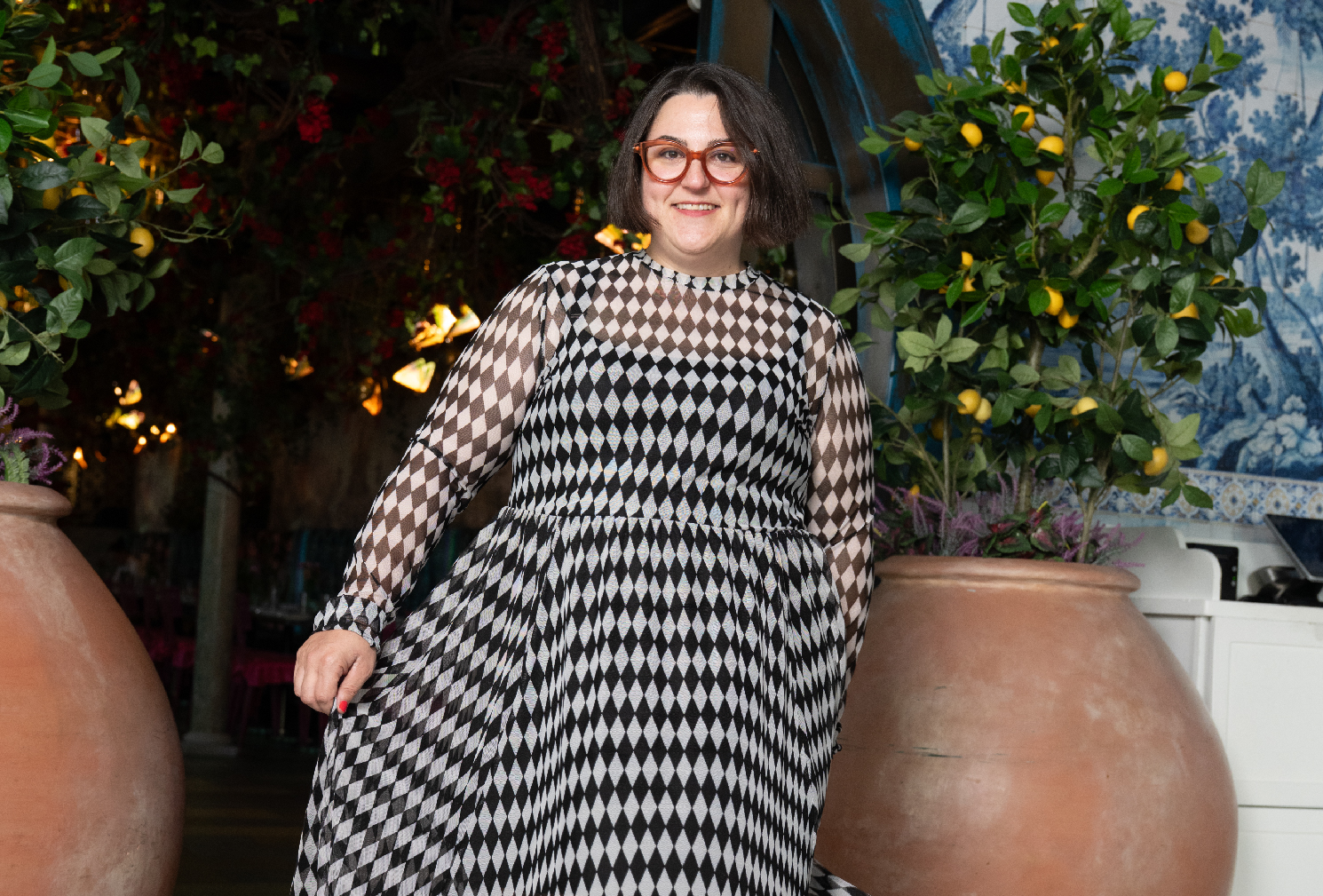
Jennifer Farris did not set out to become an interior designer. Her career began with a fascination for creating environments, but that fascination took her through display design, industrial design, furniture, and custom retail installations before she ever considered interiors.
Looking back, every step prepared her for where she is today. What began as designing individual objects eventually became a desire to shape entire experiences. That shift led her into hospitality design, years of professional growth, and ultimately the decision to build Bandura Design, a studio rooted in creativity, trust, and a willingness to keep evolving.
Finding the Bigger Picture
Farris has always known she wanted a creative career, even if the destination was never entirely clear.
She first studied display and exhibit design before transferring into industrial design, where she explored everything from furniture and tableware to production design. After graduating, she returned to New York and spent several years creating custom retail displays and visual merchandising installations for luxury brands.
Everything changed during a restaurant project.
While coordinating one custom installation, she watched the interior designer oversee the entire environment rather than a single element within it.
“I was watching her design the whole restaurant, and all of a sudden I was like, ‘That’s what I want to do.’”
Within months, she left New York, enrolled in graduate school for interior design, and began a new chapter.
Her background continued to influence the way she approached interiors. Because she understood how custom pieces were built and manufactured, she developed a mindset that encouraged possibility before limitation.
“I can dream up anything, but I have to learn all the practical stuff.”
Knowing When It Was Time
After years working for respected design firms, Farris found herself leading the launch of a second office, growing the team from just a handful of people into a thriving studio.
The experience taught her something unexpected.
“I realized I can do this.”
Starting her own firm was not an impulsive decision. It came after years of building technical knowledge, managing teams, and developing confidence in her abilities.
She also recognized she had reached a unique point in her personal life.
“I had all the knowledge and credibility I needed, and I didn’t have anything to lose.”
Leaving was still difficult. She was stepping away from projects she cared deeply about, a team she had helped build, and a mentor who had invested in her growth.
The greatest fear, however, was not leaving her job.
“The scariest part for me was saying out loud that I had started a business.”
Making the announcement meant accepting the possibility of failure in public. Once she became comfortable with that idea, moving forward felt much easier.
Building a Studio Through Trust
Nearly ten years later, Farris finds herself thinking less about design and more about leadership.
As Bandura Design has grown, so have her responsibilities. She balances business development, client relationships, operations, team leadership, presentations, hiring, and creative direction, while remaining involved in the early conceptual phases of nearly every project.
Rather than trying to control every decision, she has focused on building a team she can trust.
“Trust first, but verify.”
That philosophy has allowed designers within the studio to develop confidence while giving them room to solve problems on their own.
Many members of her team have been with the firm for years, creating a level of continuity that allows the studio to operate with confidence even when she is away.
“I can leave for a month, and I’m not worried.”
For Farris, creating a successful business has always meant investing in people as much as projects.
Staying Curious Without Standing Still
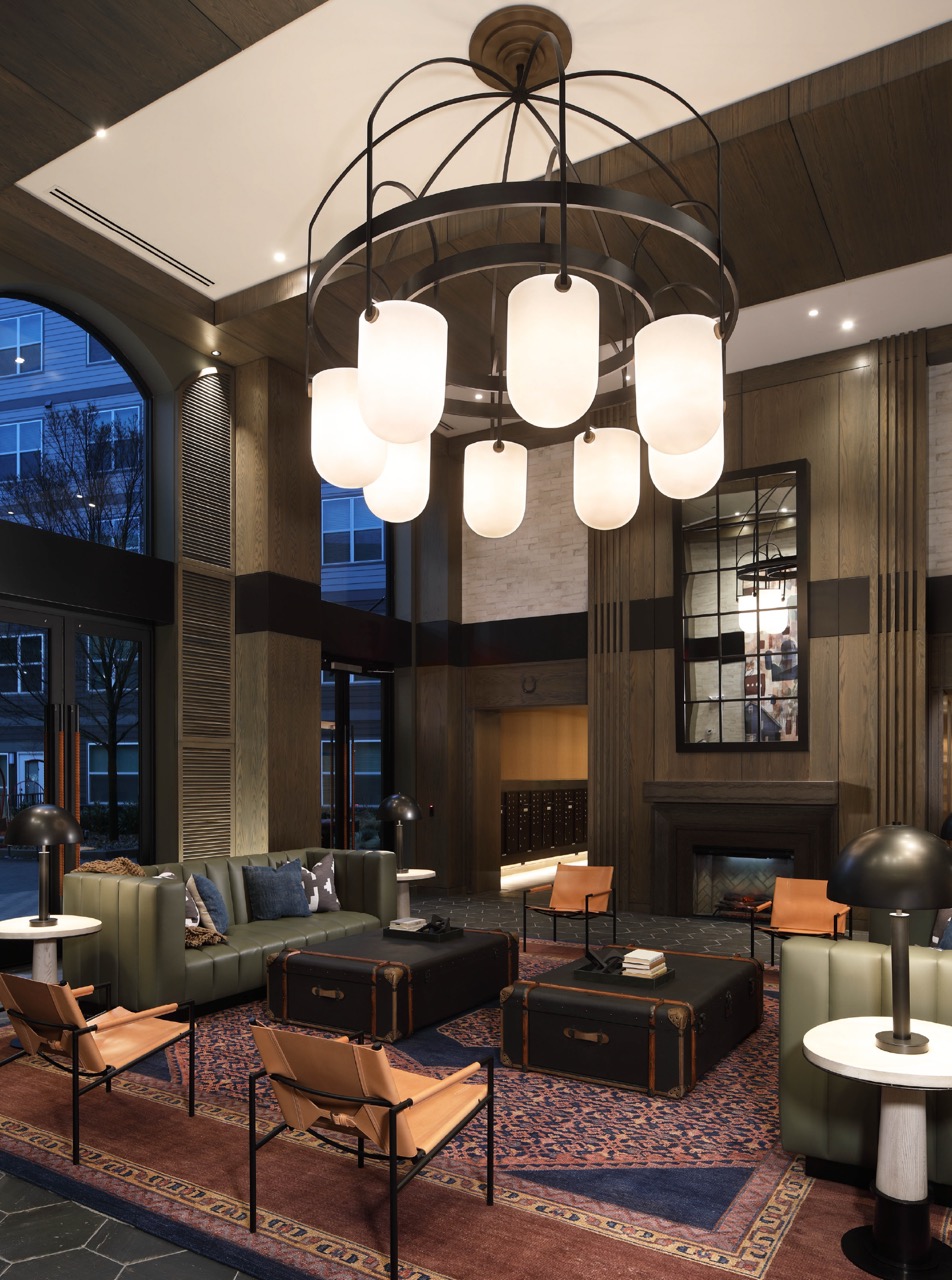
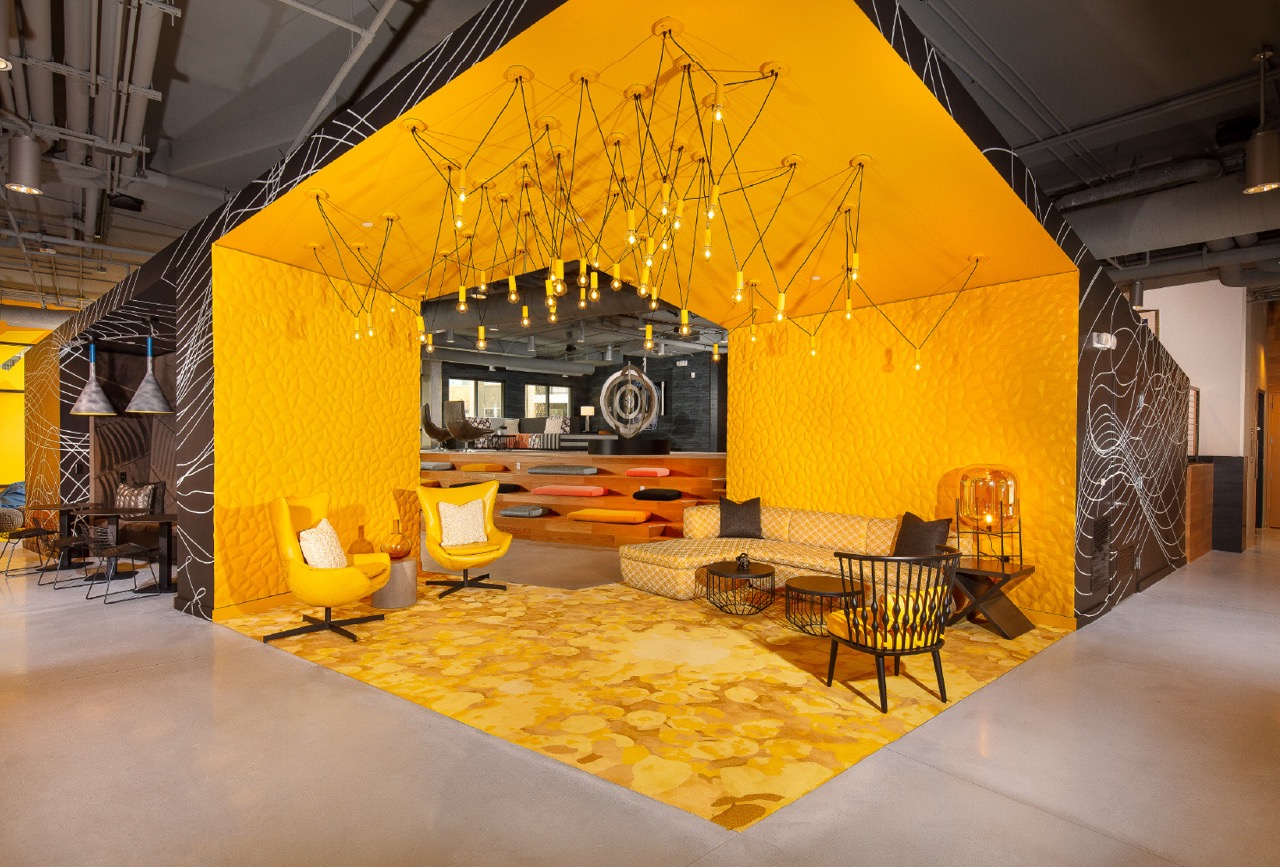
One of the defining characteristics of Bandura Design is its refusal to repeat the same ideas.
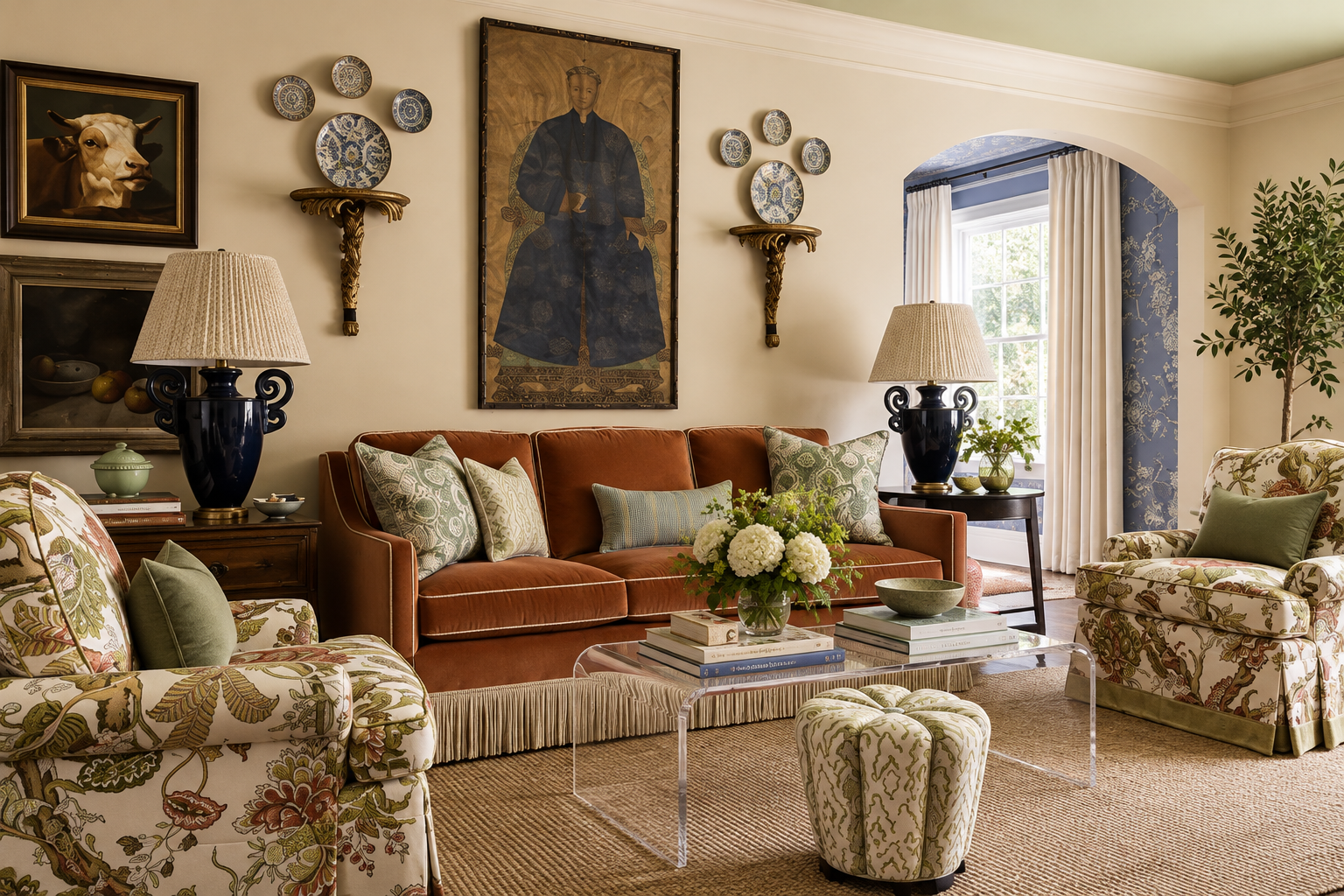
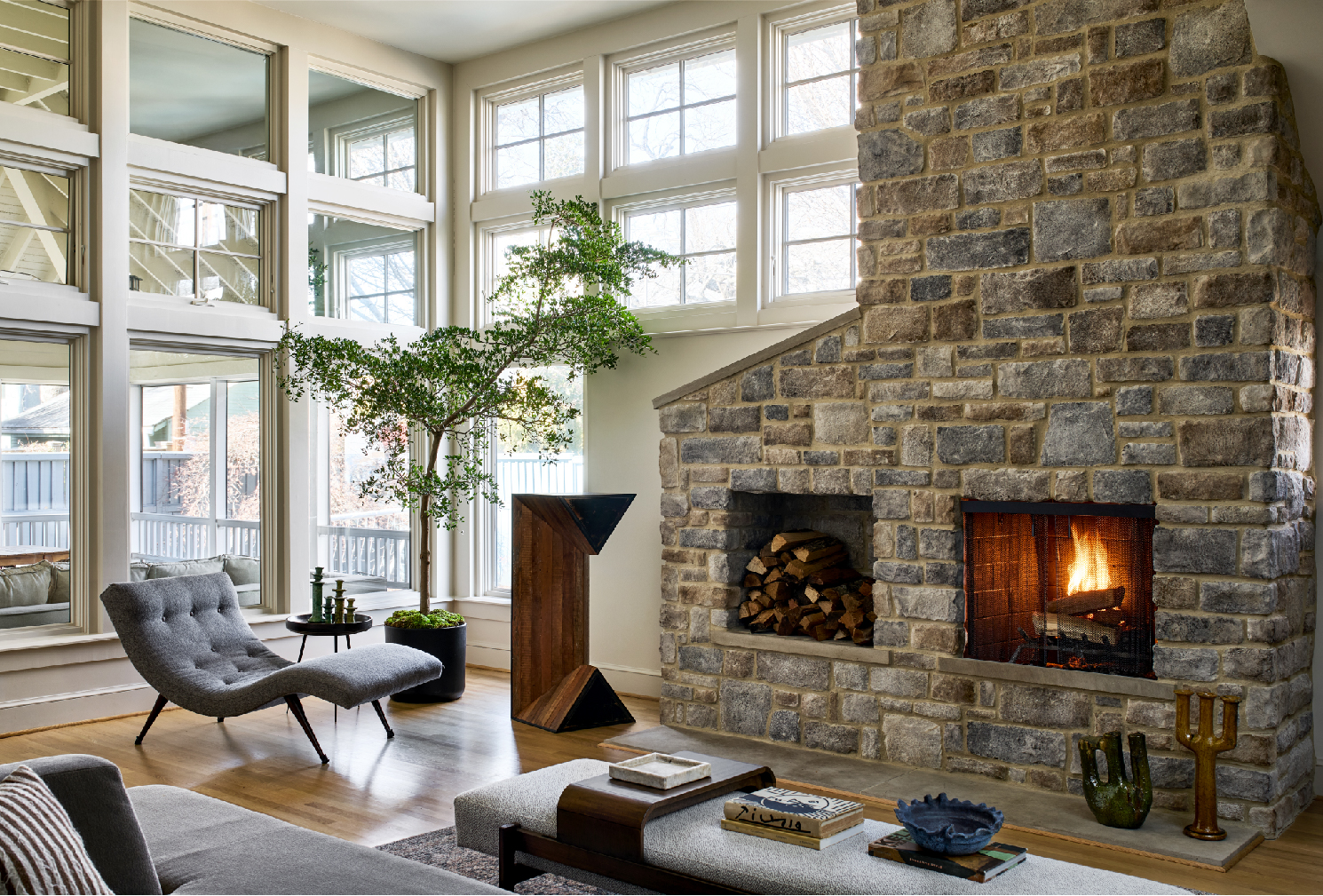
Farris believes every project should reflect the identity of the client rather than the personal preferences of the designer.
“It does not matter at all what I like aesthetically.”
Instead, she encourages her team to explore new ideas and embrace a level of creative discomfort.
“I want everyone on my team to feel uncomfortable every single time they present something.”
For her, that discomfort signals growth. Safe ideas may be easier to execute, but they rarely move design forward.
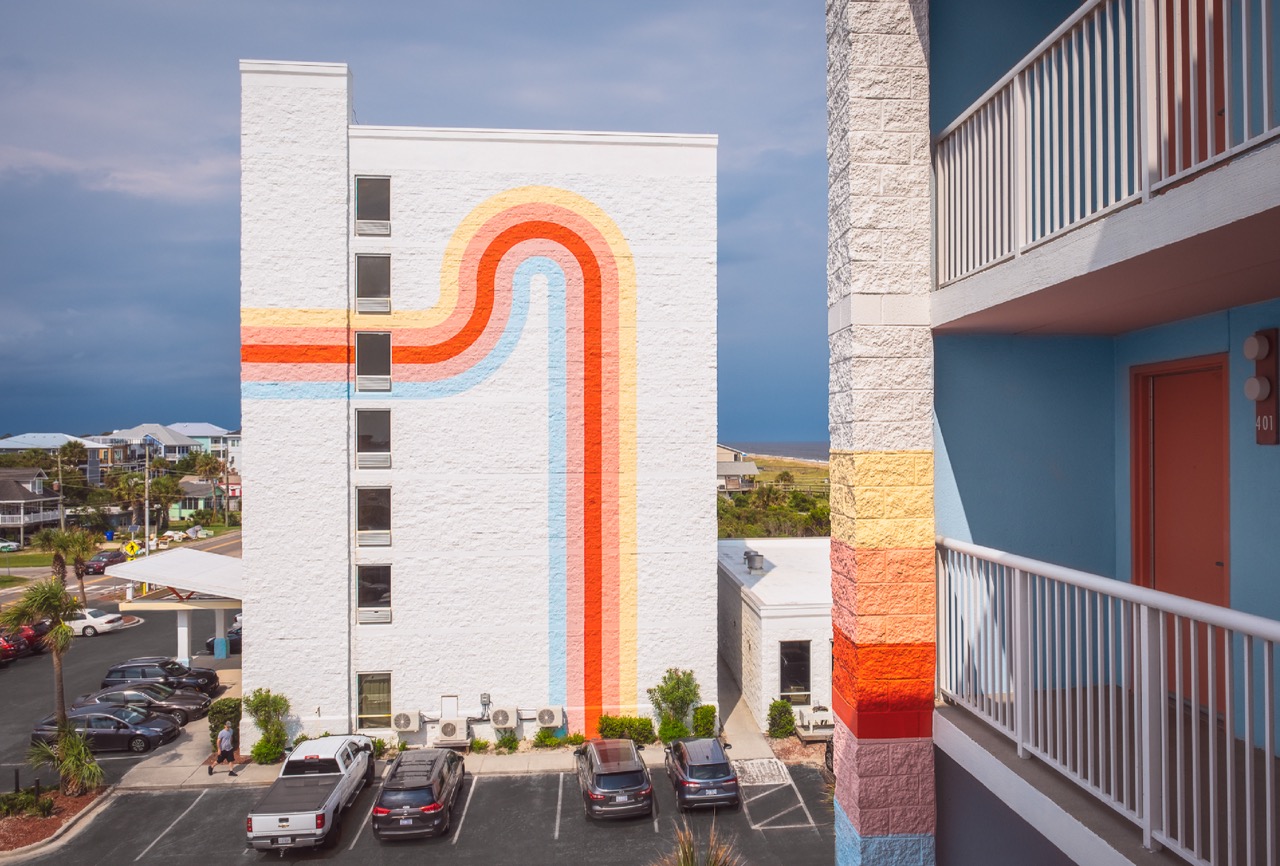
The same mindset influences how the studio approaches different cities and neighborhoods. Whether designing in Washington, Tampa, or another market, the team researches local history, culture, and context before developing a concept, ensuring every project feels connected to its surroundings rather than interchangeable.
Looking Toward the Next Ten Years
Approaching Bandura Design’s tenth anniversary has prompted Farris to think differently about the future.
Rather than continuing to spend every day working inside the business, she is intentionally creating space to work on it.
That shift includes hiring new leadership roles, stepping further into business development, and setting aside quarterly retreats dedicated to reflection and long term planning.
“I have to remove myself and step away.”
She also sees technology as an opportunity rather than a threat. Having experienced multiple technological shifts throughout her career, she approaches artificial intelligence with curiosity, focusing on how new tools can streamline operations while giving designers more time for creative work.
When asked what advice she would give her younger self, her answer came without hesitation.
“I wish I could go back and tell my younger self to have more courage.”
It is a lesson that reflects her own journey, from questioning her abilities to building a thriving studio, trusting a talented team, and continuing to embrace whatever comes next.