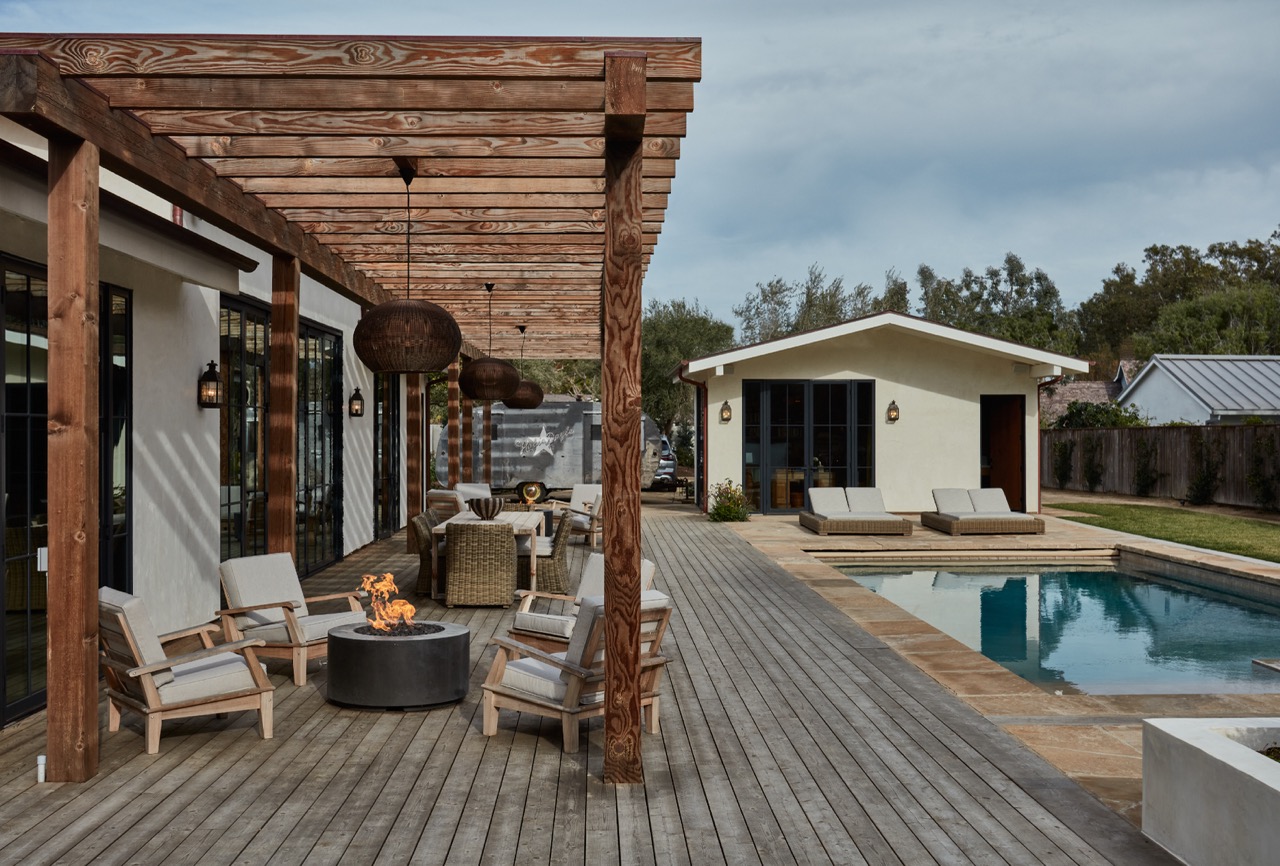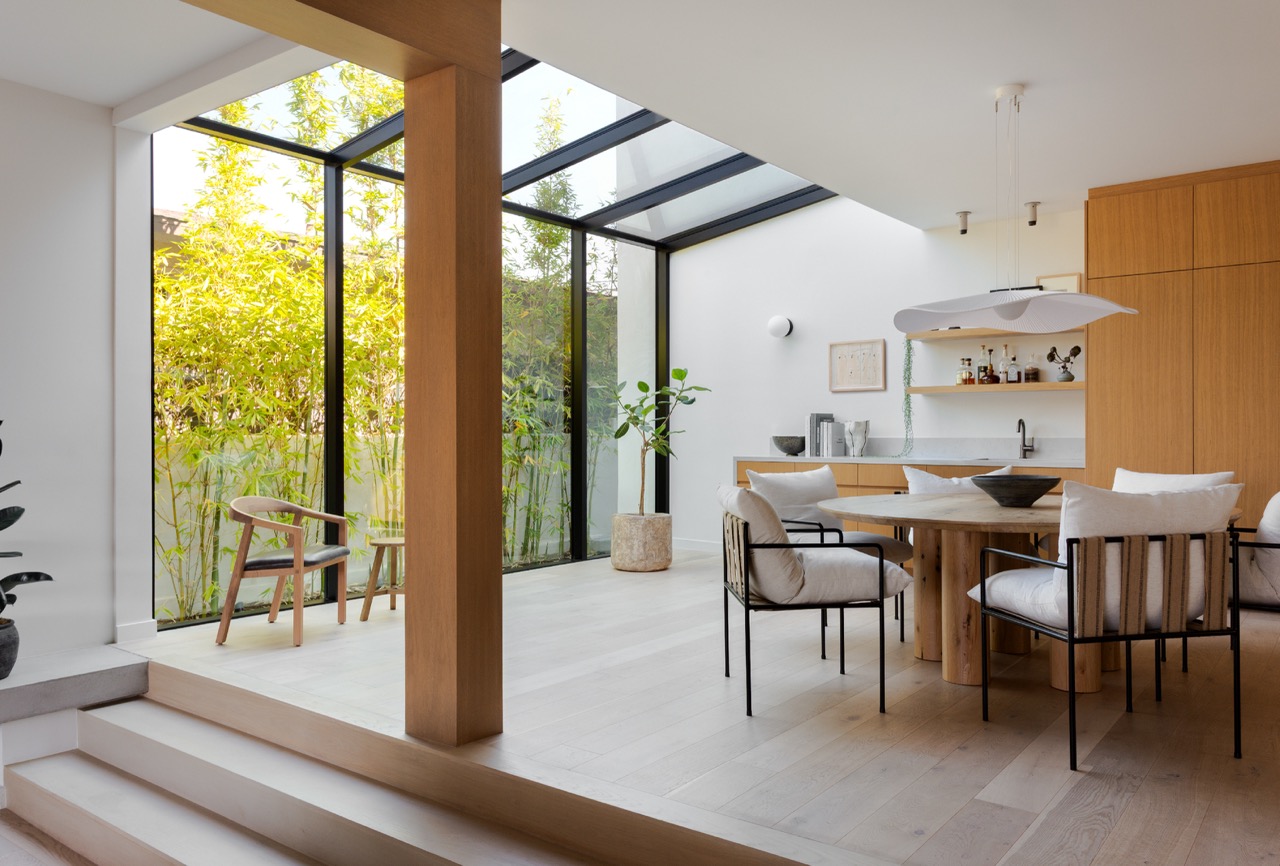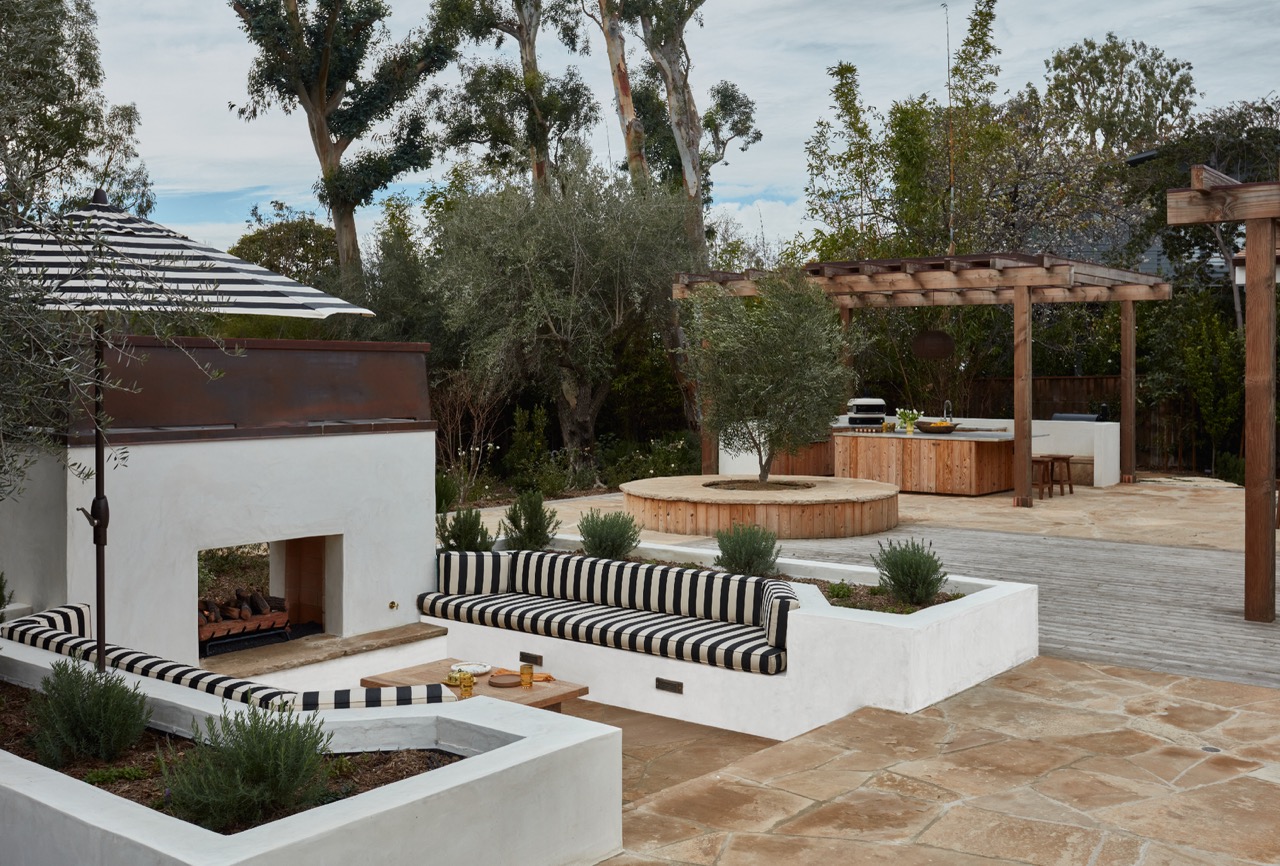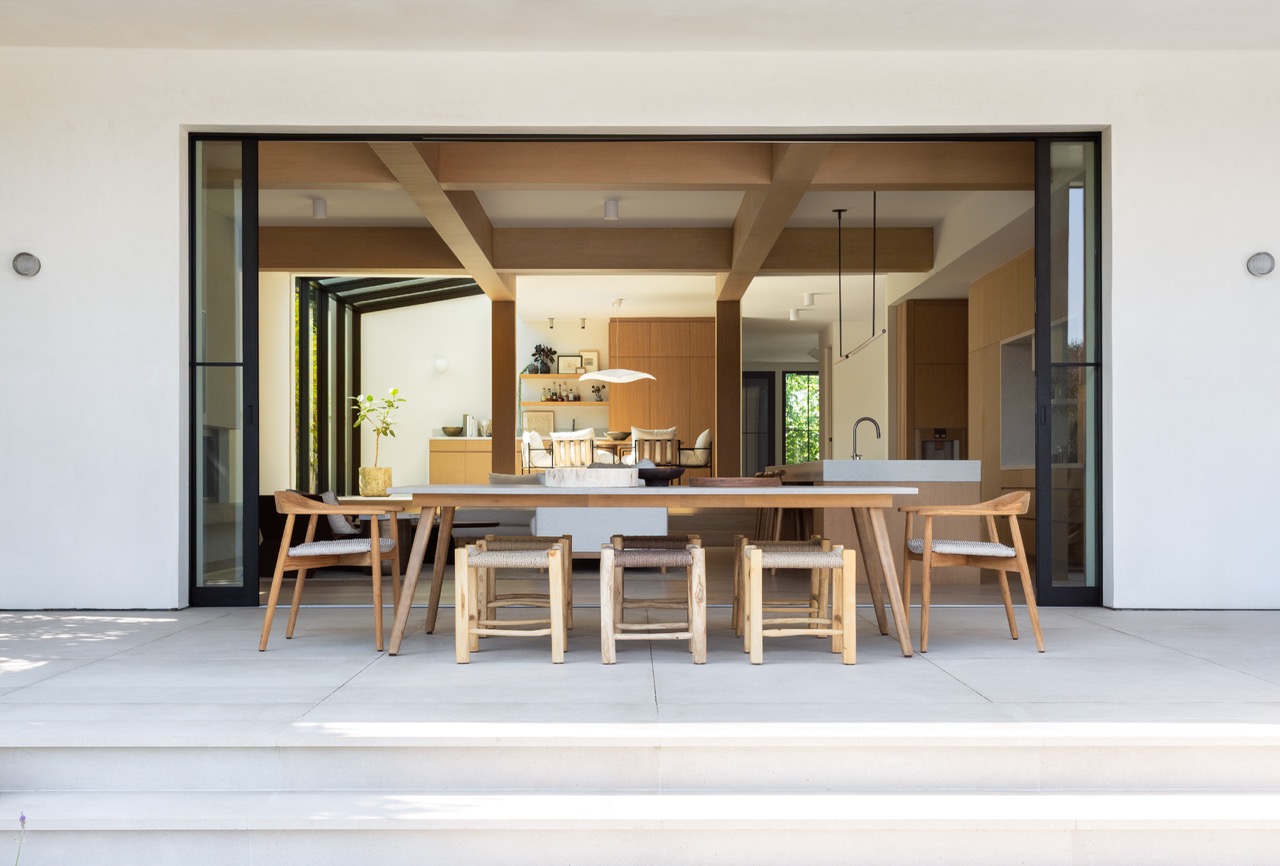
For Harper Halprin and Aaron Leshtz, building AAHA Studio was less about following a predetermined business plan and more about allowing years of shared experience to evolve into a practice of their own. Both raised in Southern California, they followed remarkably parallel paths through architecture school at USC, study abroad in Italy, professional experience in London, and eventually New York, where they began their careers during the uncertainty of the 2008 financial crisis.
Those early years exposed them to projects, materials, craftspeople, and ways of working that challenged their expectations of what architecture could be. Years later, after returning to California and gradually building AAHA Studio together, many of those lessons remain central to the practice. Rather than defining the studio through a singular aesthetic, Halprin and Leshtz have built it around process, relationships, curiosity, and a commitment to taking care of the people who trust them with their projects.

From California to New York and Back Again
Halprin and Leshtz both knew from a young age that they wanted to become architects. They attended USC’s five year architecture program, studied abroad in Italy, and later spent a summer practicing architecture in London. After graduation, another adventure called, and the couple moved to New York together in 2008.
The timing was challenging, but both found positions at the same studio. Their architecture education had been heavily conceptual and focused on what Halprin describes as “Capital A architecture,” while their professional experience in New York introduced them to interiors, tactile materials, artisans, and an entirely different level of detail. With fewer people working during the recession, they were given significant responsibility early in their careers.
“You really learned so much in a very compressed time period.”
They remained in New York for five years and married in California in 2012 while still based in the city, but eventually found themselves facing a larger decision about the life they wanted to build. Staying meant committing more deeply to New York, while leaving meant starting over professionally in California. With family on the West Coast and plans to eventually start their own family, they chose to return home.
Creating a Studio One Step at a Time

After returning to California, both focused on becoming licensed and gaining experience with local firms. Halprin joined an interior design studio as an in house architect, while Leshtz worked across several practices, including firms focused on workplace and residential architecture. Neither returned to California with an immediate plan to start a studio together.
That changed in 2015. After leaving her position at a local firm, Halprin learned just three days later that she was pregnant with their first daughter. Rather than immediately pursuing another position, she decided to freelance. Leshtz encouraged her to create a website and share the work publicly, and what began as a temporary arrangement quickly developed into something larger.
“I had no idea you were starting a studio.”
“Neither do I, but here I go.”
Projects began coming in, and Leshtz started helping on nights, weekends, and eventually Fridays while maintaining his own position at another firm. By 2017, splitting his time between both had become unsustainable. When a major project at his other office went away, the timing gave him an opportunity to make the transition.
“I kind of remember walking out that door of that office and being like, ‘This, very likely this is the last time I’m employed by somebody else.’”
From there, AAHA Studio continued to grow, but never according to a predetermined target. Instead, Halprin and Leshtz built the business incrementally, adding people, systems, and infrastructure as each became necessary.
Growing with Intention
For Leshtz, treating the studio itself like a project made entrepreneurship feel more manageable. Rather than attempting to create a fully formed business before having the work to support it, they focused first on projects and allowed the structure around those projects to develop over time.
“You don’t start an office with 10 projects and 20 employees.”
That philosophy continues to influence the way they think about growth. Expanding simply for the sake of becoming larger has never been the objective. Instead, they want a small, close knit studio where communication, culture, and the quality of the work remain manageable.
“We’ve grown because we felt we were at the right time to grow.”

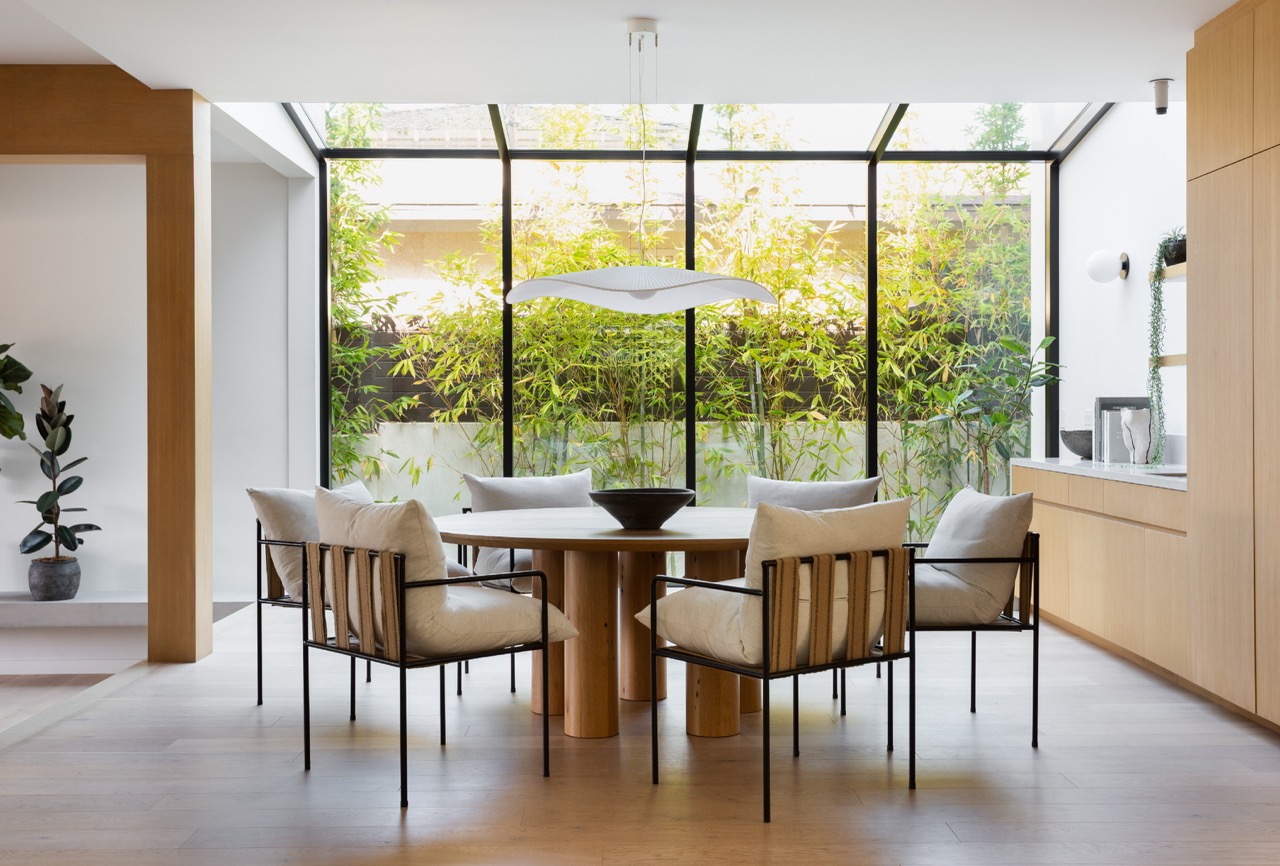
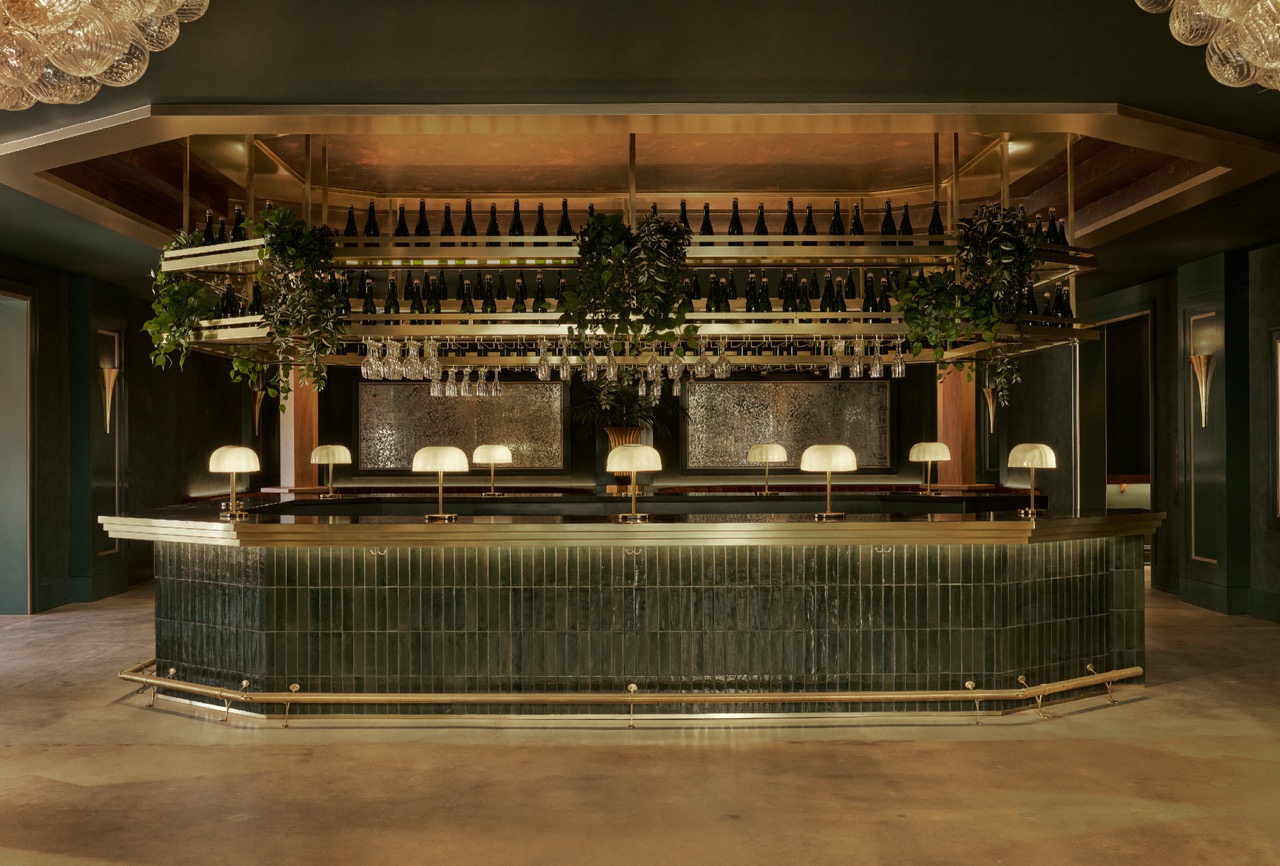
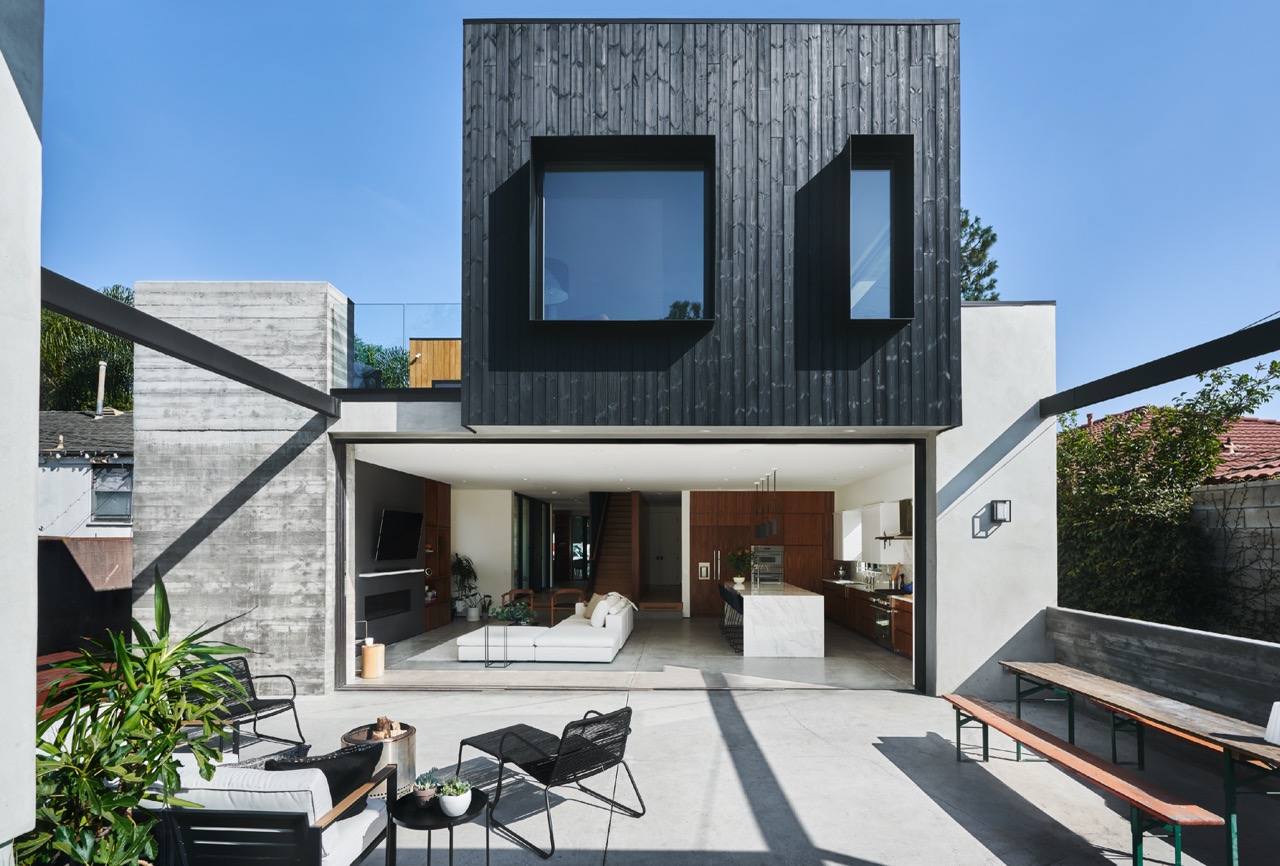
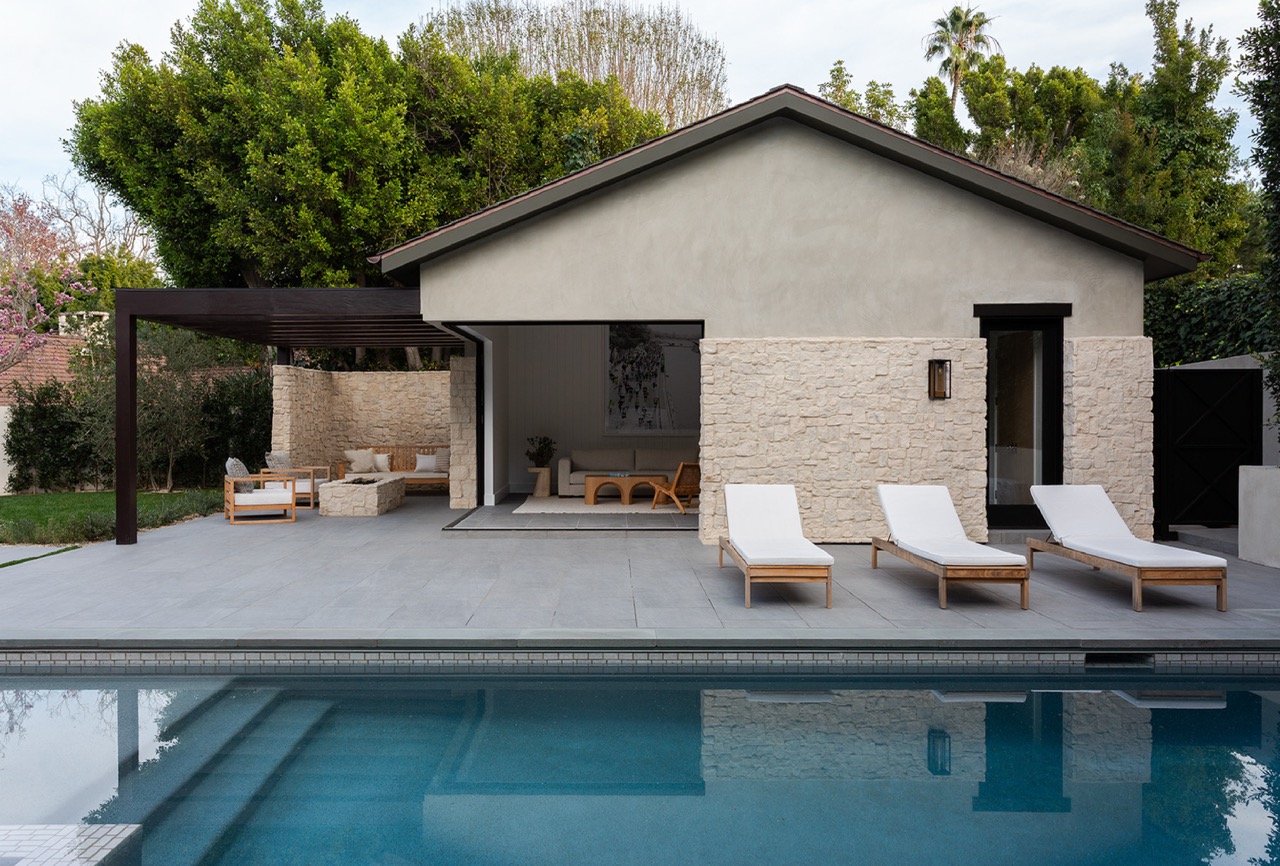
Their decisions about projects are similarly intentional. Halprin describes three considerations they use when evaluating opportunities: whether a project offers a meaningful learning experience, whether it is relationship driven, or whether it presents an opportunity for strong design. Maintaining diversity within the portfolio also matters. The studio works across residential, hospitality, commercial, and retail projects rather than allowing one category to define the entire practice.
Putting Relationships at the Center
While Halprin and Leshtz did not begin the studio with a formal set of business principles, certain ideas became clear as they looked back at what was working. One of the most important was customer service.
For AAHA Studio, however, taking care of clients does not mean simply agreeing with them. Halprin believes good service sometimes requires difficult conversations, whether that means discussing budget limitations, questioning a design direction, or encouraging a client to simplify an idea.
“We’re customer service, but we’re based in severe truth. It’s much harder to have those honest conversations than to just tell people exactly what they want to hear.”
That honesty is part of the relationship. Their goal is to understand what clients want while bringing the studio’s design knowledge and perspective into the conversation. Because architecture and interior design projects can unfold over long periods, Leshtz believes choosing the right designer is ultimately as much about trust and communication as it is about a portfolio.
“It’s a relationship business.”
For prospective clients, that means looking beyond whether a designer has already created the exact project they have in mind. A strong working relationship, he argues, comes from finding someone who will listen, understand the problem, acknowledge what they do not know, and remain invested throughout the process.
Separating Style from Good Design

The couple’s years in New York continue to influence the studio in another important way. Working on projects that did not necessarily reflect their personal tastes forced them to distinguish between style and quality.
“Forget if this is my taste or not, there’s a lot to be learned here.”
They were exposed to highly detailed residential projects involving custom millwork, metalwork, specialty finishes, and craftspeople working at an exceptional level. Returning to Los Angeles meant adapting those lessons to projects with different budgets and more readily available materials.
Rather than attempting to reproduce New York projects in California, they began considering how the thinking behind those details could translate. The question became how to apply lessons about proportion, materiality, craft, and construction even when working with standard materials or different financial constraints.
That experience reinforced a philosophy that remains central to AAHA Studio. The firm does not design according to one predetermined style. Instead, its work is process driven, responding to the needs of the client and the logistics of each project, whether that means understanding how someone lives in a residence or how a business operates within a commercial environment.
Staying Curious
Outside of individual projects, Halprin and Leshtz continue to look for ways to maintain curiosity. Travel has historically been an important source of inspiration, although running a business and raising a young family have made frequent travel more difficult. A recent trip to Japan offered the opportunity to immerse themselves in everything from architecture and urban environments to food and everyday details.
Closer to home, inspiration comes through design fairs, antique and vintage shopping, graphic design, and examining how objects are made. For Leshtz, some of the most unexpected creative lessons come from watching their children solve problems.
Seeing a child approach something without research, expectations, or a predetermined idea of the correct solution provides a reminder of how easily creativity can become overinformed.
“They had an idea and a process, and they went about something in a certain way.”
That observation connects directly back to how AAHA Studio itself was built. Halprin and Leshtz did not begin with a detailed blueprint for what the company should eventually become. They experimented, learned, made mistakes, added structure where it was needed, and continued moving forward.
For Leshtz, the same willingness to admit uncertainty remains important for designers at every stage of their careers.
“Know when you don’t know something.”
It is a philosophy that reflects much of the studio’s story. From moving across the country and beginning again to building a business piece by piece, Halprin and Leshtz have allowed curiosity, relationships, and experience to guide the process rather than attempting to have every answer from the beginning.