From Fieldwork to Founding Hawaii-Off Grid

Before launching Hawaii Off-Grid, David Sellers was already living what many would call an off-grid lifestyle. As Operations Manager on Palmyra Atoll for The Nature Conservancy, he was responsible for managing water systems, solar arrays, battery storage, and large-scale logistics in one of the most remote and ecologically protected places on earth.
“I was doing work with the Nature Conservancy in Palmyra Atoll and it was truly off-grid living,” he shared. “You’re an hour south of Hawaii by plane. The only way to get there is by boat or on a charter flight. You’re managing a solar array and battery bank and a water maker and all the different systems.”
This experience wasn’t just about engineering. It planted the seeds for a new approach to housing, one grounded in sustainability, resilience, and long-term stewardship.
An Academic Foundation with Global Perspective
David’s academic path took him from Texas A&M to TU Delft in the Netherlands, where he earned a master’s degree in sustainable energy systems. There, he focused on microgrids and energy autonomy.
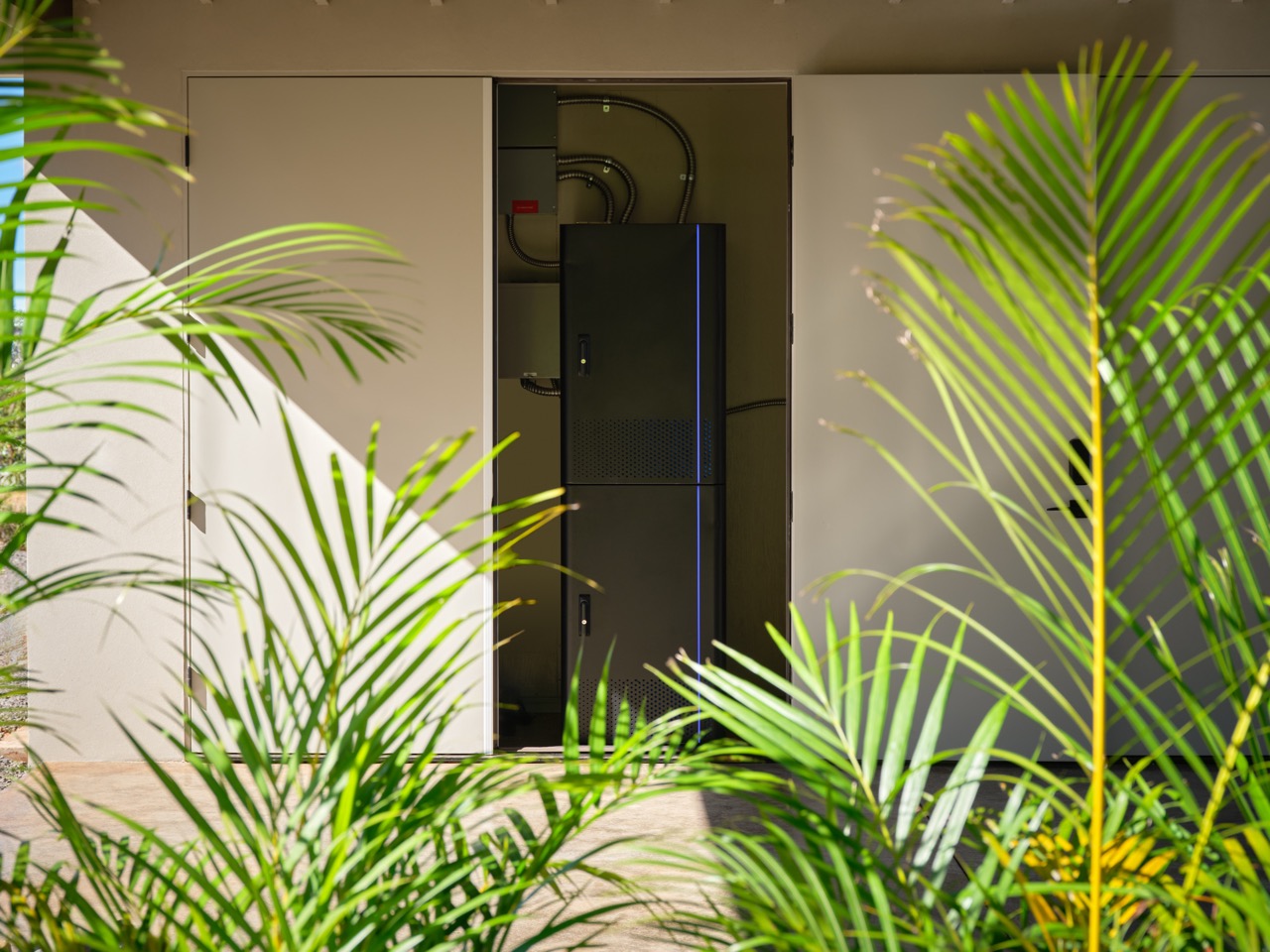
“I did a master’s in sustainable energy technology,” he said. “And my thesis was basically off-grid homes within suburban neighborhoods—people being able to have their own little microgrid on their house.”
This background in engineering, combined with the experience of working in remote island conditions, shaped the hybrid approach Hawaii Off-Grid brings to its projects today.
After Lahaina: Designing for Recovery and Resilience
Following the devastating wildfires in Lahaina, David’s studio found itself at the heart of a growing conversation around how to rebuild sustainably and equitably. The work has shifted from custom, high-performance off-grid homes to also supporting post-disaster housing and community infrastructure.
“We’ve tried to help nonprofits, we’ve tried to help families, we’ve tried to help whoever we can,” David explained. “At the end of the day, it just comes down to there’s no land and no one can afford to do anything.”
In response, Hawaii Off-Grid has been building out modular home prototypes using SIPs (structural insulated panels) that are affordable, durable, and quick to assemble. The goal is to move beyond one-off solutions toward a scalable system that can help address the urgent housing crisis on Maui.
Sustainability Means More Than Systems
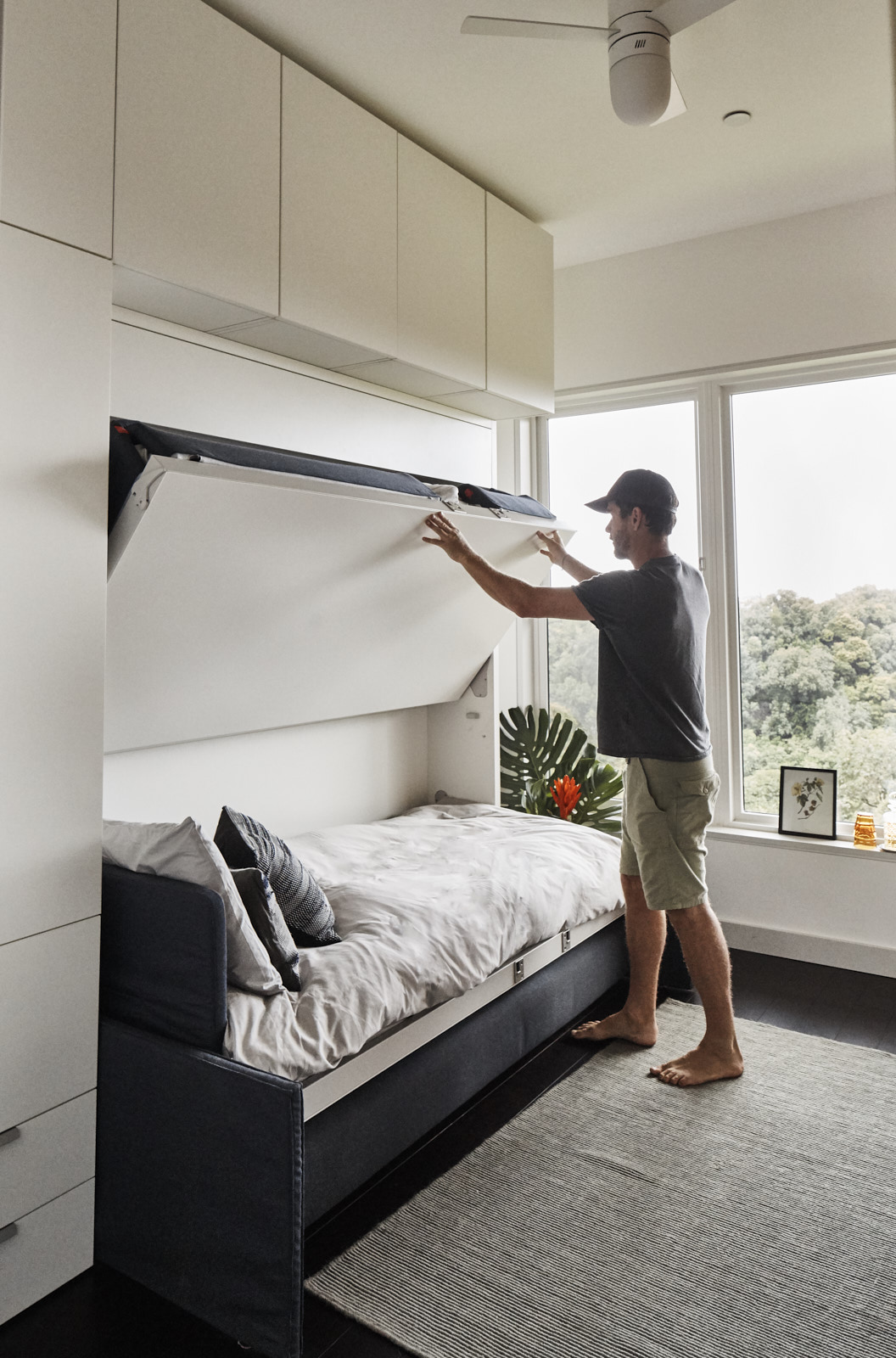
For David, designing a sustainable home isn’t just about installing solar panels or battery storage. It’s about designing for the long term, for comfort, and for joy.
“The technology is there,” he said. “But it’s about making sure that it works in practice. We’re looking at the human side of it too. People want spaces that feel good to live in, that don’t feel like a compromise.”
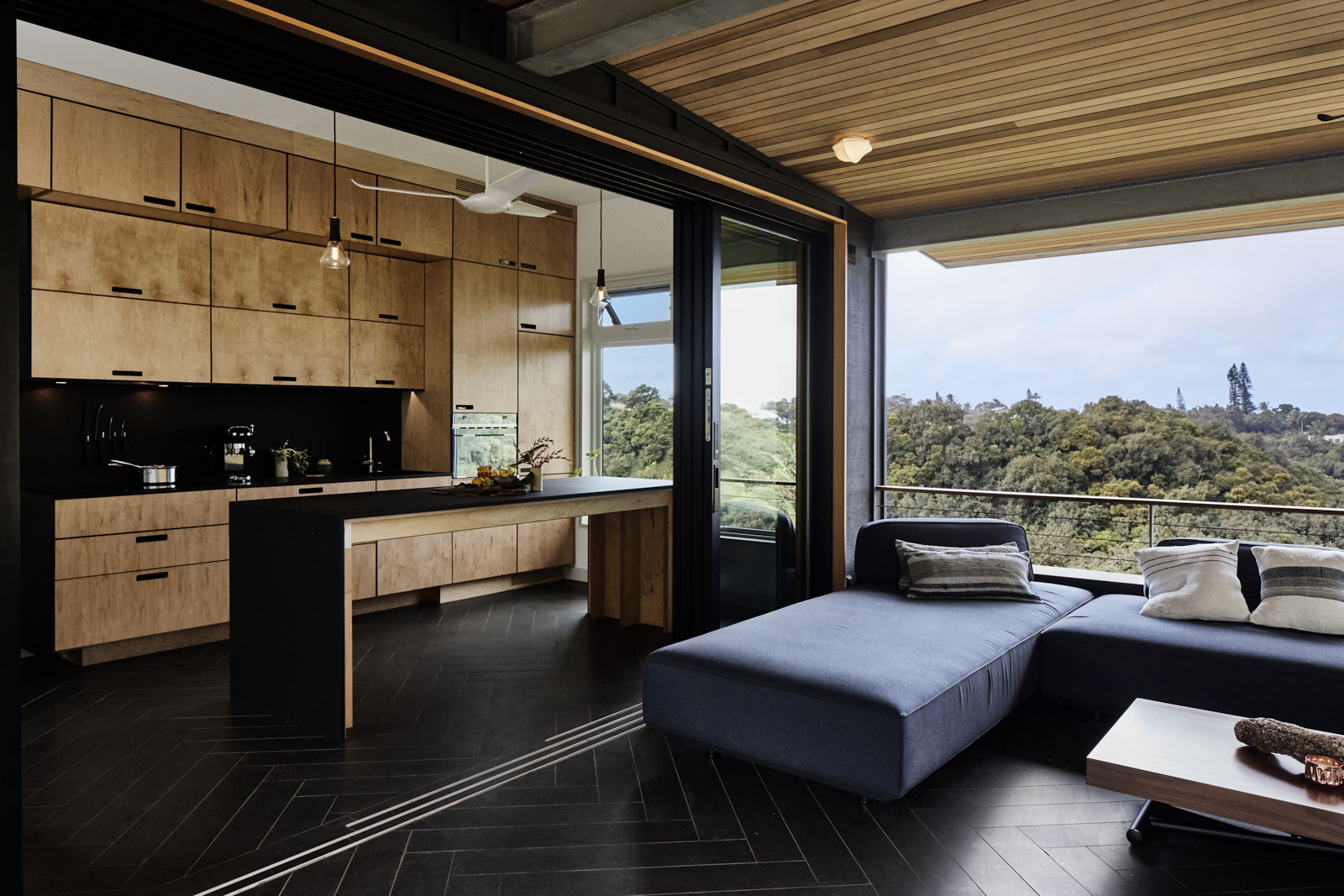
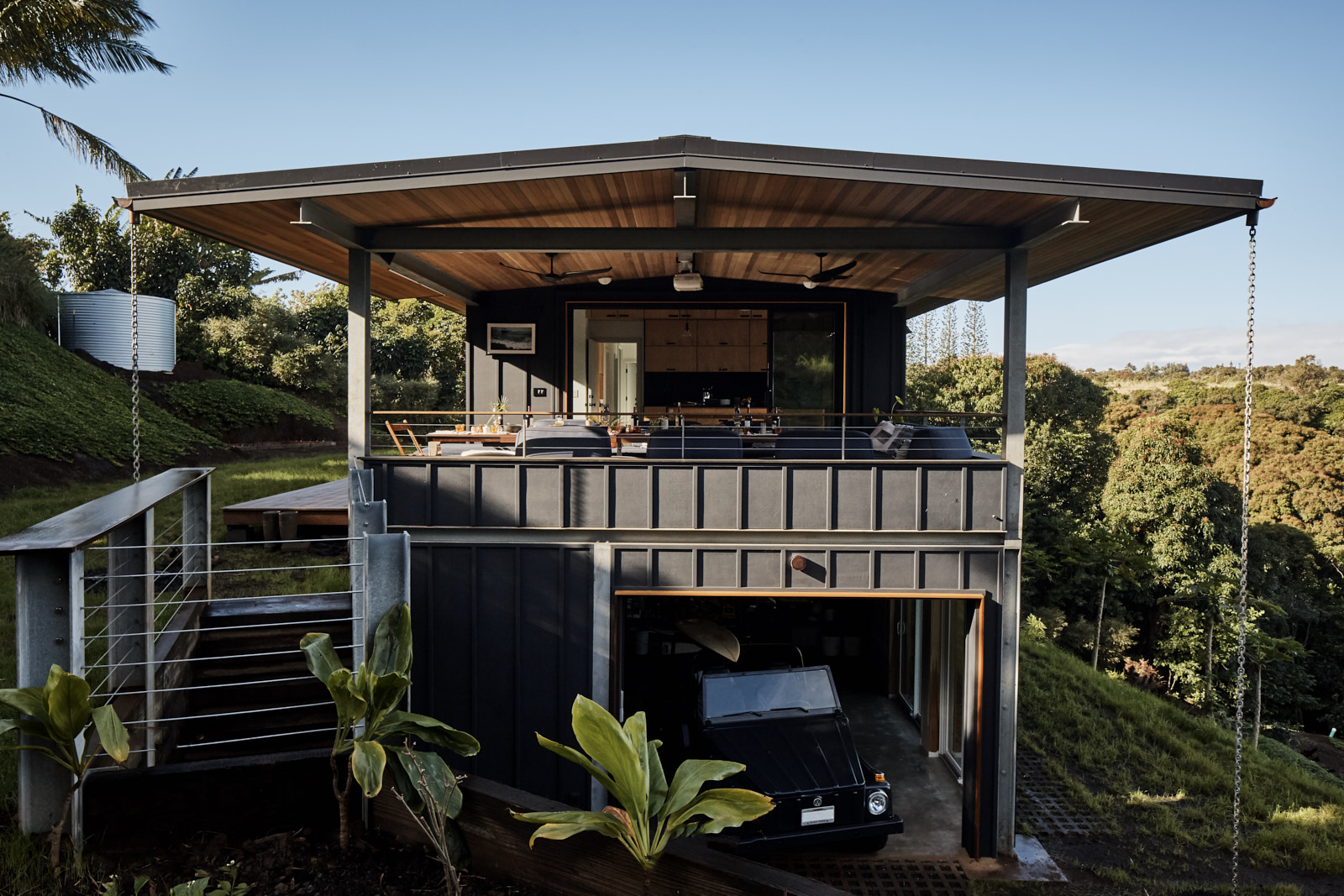
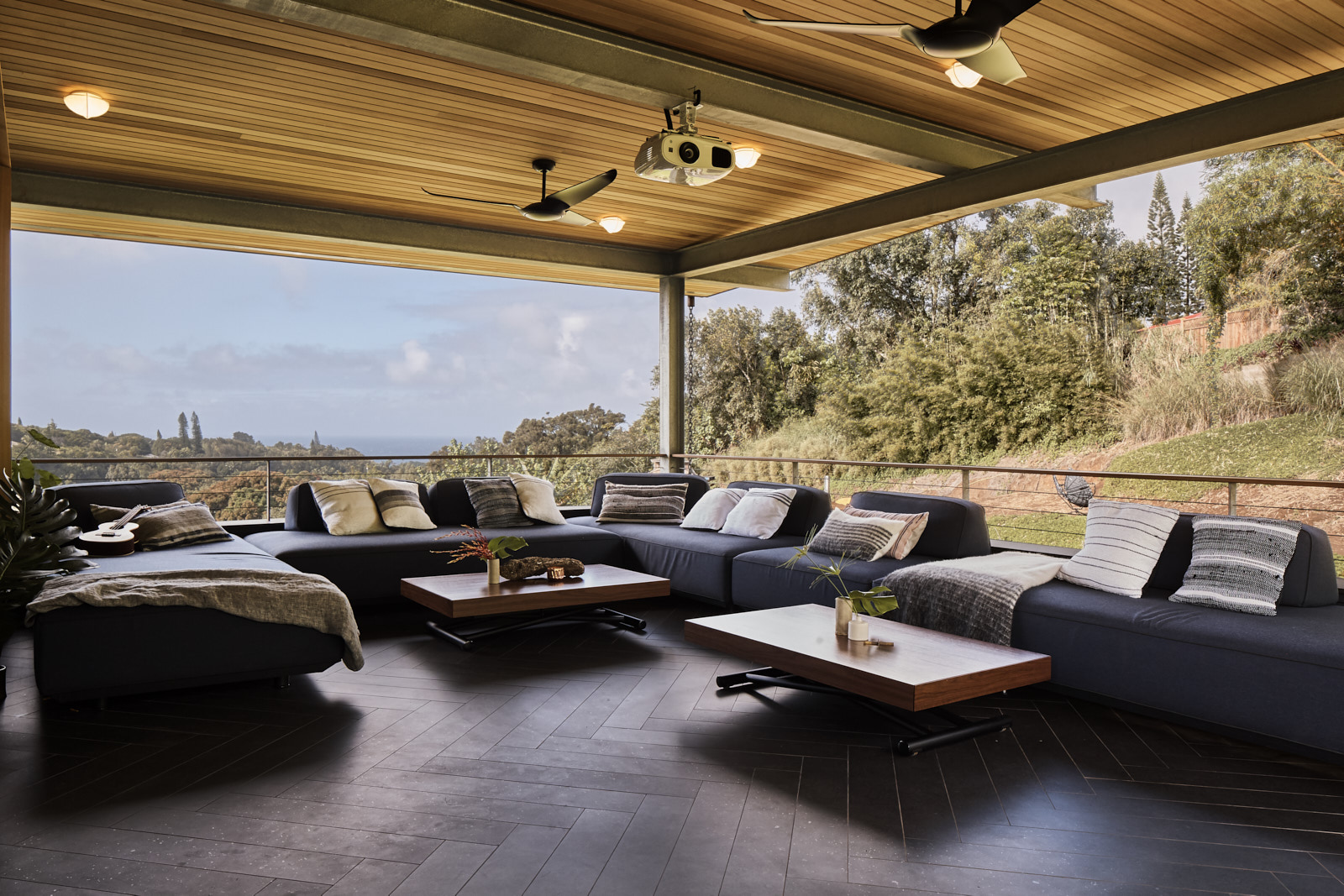
The studio’s signature Kūpono Hale project, which received an AIA Award for Excellence in Energy-Efficient Design, is an example of how thoughtful design and engineering can intersect. “The homeowner was super hands-on. We worked together on all of it, from the water system to the floor plan. It felt like a true collaboration.”
What’s Next
As Hawaii Off-Grid continues to grow, David remains focused on the same core values: energy independence, ecological sensitivity, and community impact. His hope is that Maui can become a model for what regenerative building looks like—one that serves both its residents and the land they call home.
“I want to keep building,” he said. “But I also want to be part of something bigger than a business. We’re in a place where we can really rethink what’s possible.”