A Creative Foundation Rooted in Family
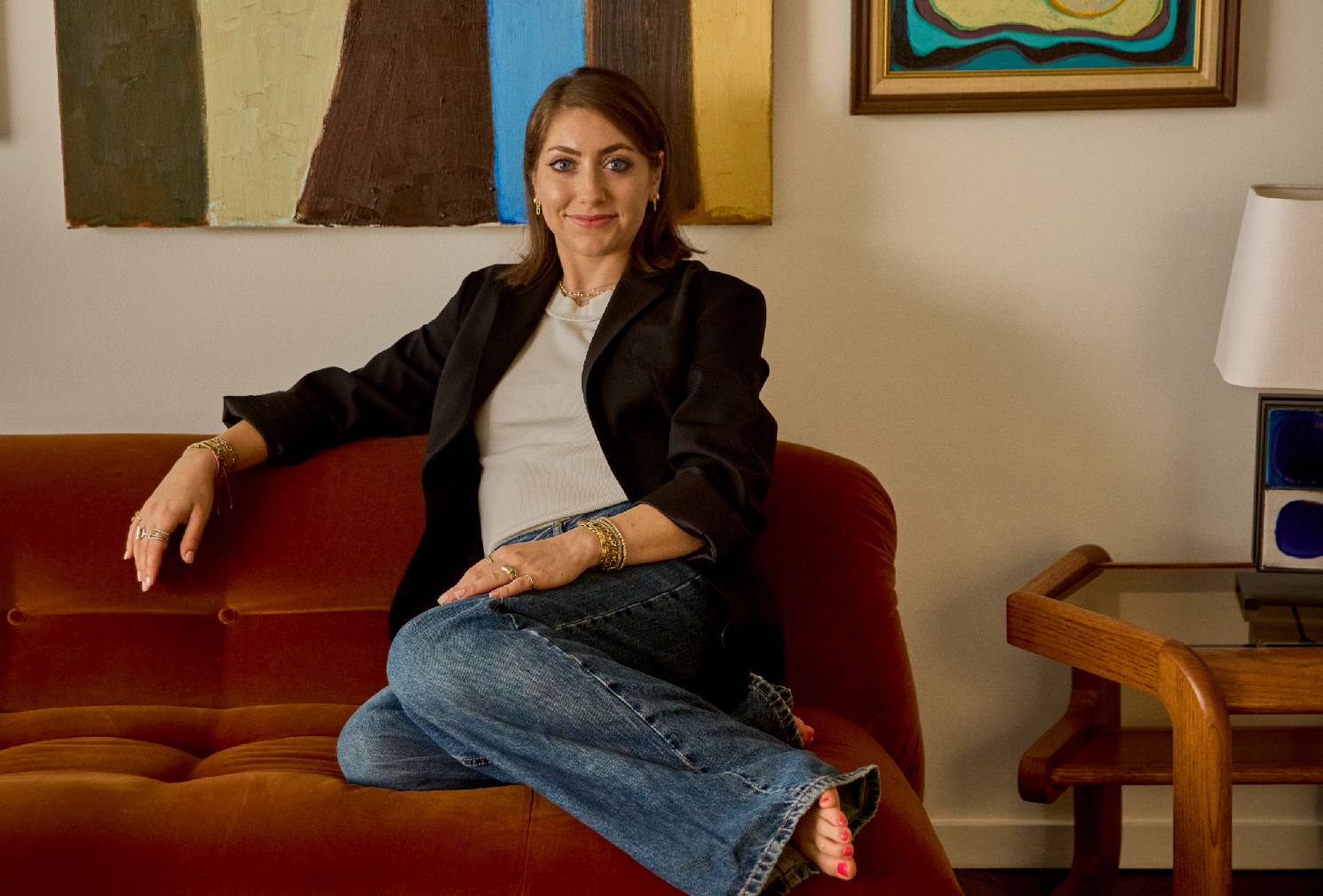
For Coco Greenblum, interior design has always been connected to family, creativity, and the experiences that shape how people see the world. Growing up in Austin, Texas, she spent much of her childhood outdoors, making things with her hands and finding ways to bring natural elements into her surroundings. Looking back, she recognizes how deeply her family influenced the creative instincts that would eventually guide her career.
Her grandmother, an interior designer and painter in Dallas, introduced her to a world of art, textiles, and thoughtfully composed spaces. Her grandfather, a furniture dealer in Mexico, offered another perspective through the midcentury furniture he bought and resold at his store across the border, where she spent time as a child. Family travels further expanded her appreciation for different cultures, environments, and forms of creative expression.
Greenblum initially explored event planning through internships during high school, drawn to the process of combining materials, textures, and spatial arrangements. Although she enjoyed creating beautiful environments, she found it difficult to see them dismantled after an event. That experience helped her recognize her interest in designing spaces that could become a lasting part of people’s lives.
She eventually pursued residential interiors at the University of Georgia, where studio courses and professional internships confirmed her direction. Even then, she understood that formal education was only one part of becoming a designer.
Learning from Different Design Perspectives
Greenblum’s professional journey took her through an unusually varied collection of established design studios, each contributing something different to her understanding of the industry.
Her first major position was with Emily Summers in Dallas, where she spent three years as the sole design assistant supporting the firm’s Dallas and New York offices. Rather than being limited to administrative responsibilities, Greenblum participated in client meetings and gained early exposure to complex residential projects. Summers became an important mentor, encouraging her development both professionally and personally.
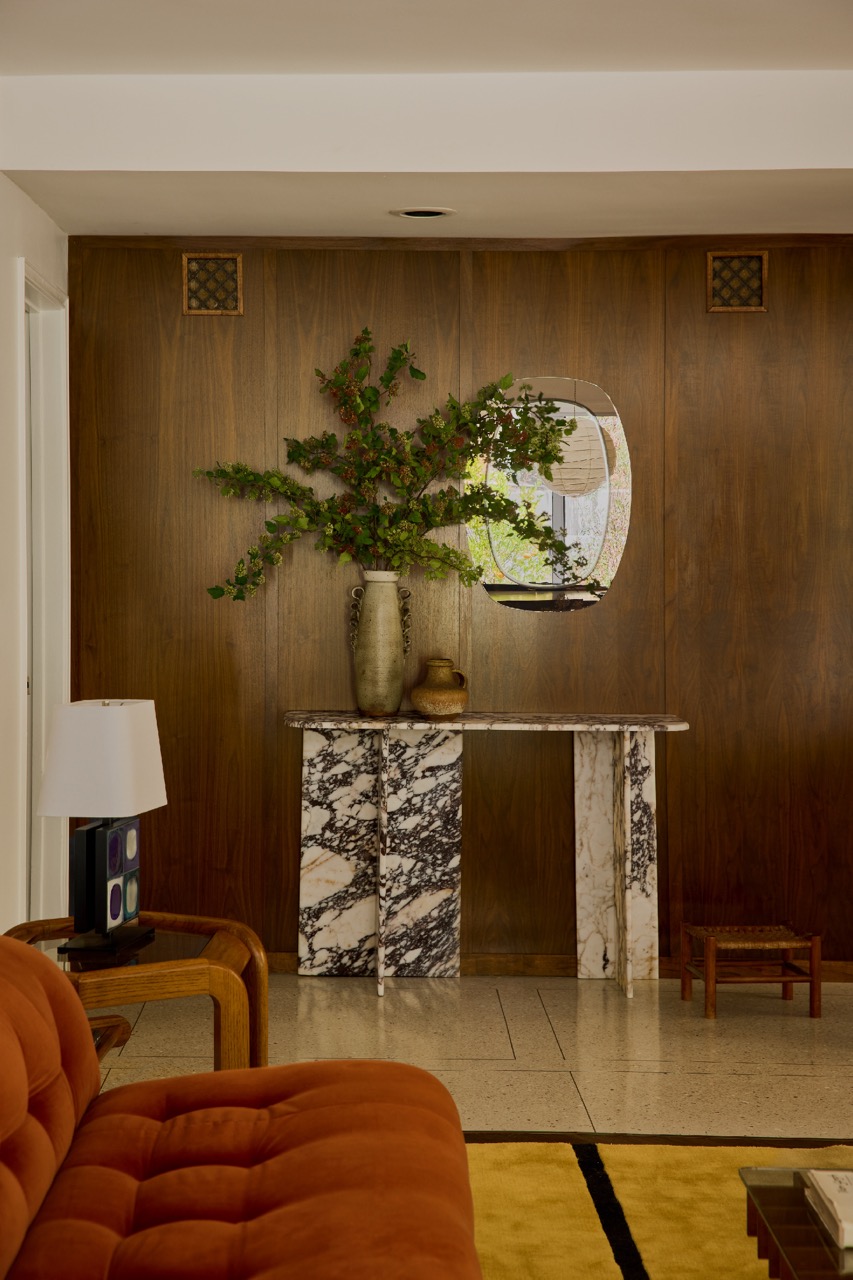
Determined to experience California, Greenblum later moved to San Francisco. She worked with Lauren Geremia, whose artistic perspective and understanding of color introduced her to another approach to interiors. At The Wiseman Group, she encountered a more structured studio environment and a different architectural aesthetic.
Her next chapter with Ken Fulk broadened her experience into commercial design. Over nearly four years, she worked on wineries, restaurants, and residential projects while observing how creative ideas could be communicated and presented to clients. The pace and demands of commercial work strengthened her ability to solve problems and adapt to different project requirements.
A move to Los Angeles eventually brought her to Jeremiah Brent’s studio, where she managed significant residential projects, including a Montecito collaboration involving Brent and Nate Berkus. Beyond the design work itself, she valued the studio’s supportive culture and the importance placed on building a team that genuinely cared about its projects.
Each experience gave Greenblum a clearer understanding of the kind of designer, leader, and business owner she wanted to become.
Building a Studio on Her Own Terms
After years of working with established designers, Greenblum began receiving inquiries from clients interested in working with her directly. Although she had considered opening a studio before, she wanted to feel prepared both professionally and financially.
She spent considerable time developing her branding, business philosophy, and approach to operations. Her decision to launch independently was the result of years of observation and preparation rather than a sudden change in direction.
The transition, however, came at a particularly difficult moment. On the same day she informed Jeremiah Brent of her plans to leave, the January 2025 Los Angeles fires began. The projects she had lined up disappeared, and the widespread devastation created uncertainty for both her professional future and the community around her.
Greenblum remained with the firm for several additional weeks before moving forward with her independent practice. During her first year, she managed nearly every aspect of the business herself, from sourcing and presentations to administration and project coordination.
As the studio grew, she brought in two design assistants along with specialized bookkeeping and accounting support. Today, her work extends across several states, requiring frequent travel and collaboration with different construction teams.
The experience has reinforced her belief that creativity and organization are equally important to building a successful design business.
Designing Around People, Not a Signature Style
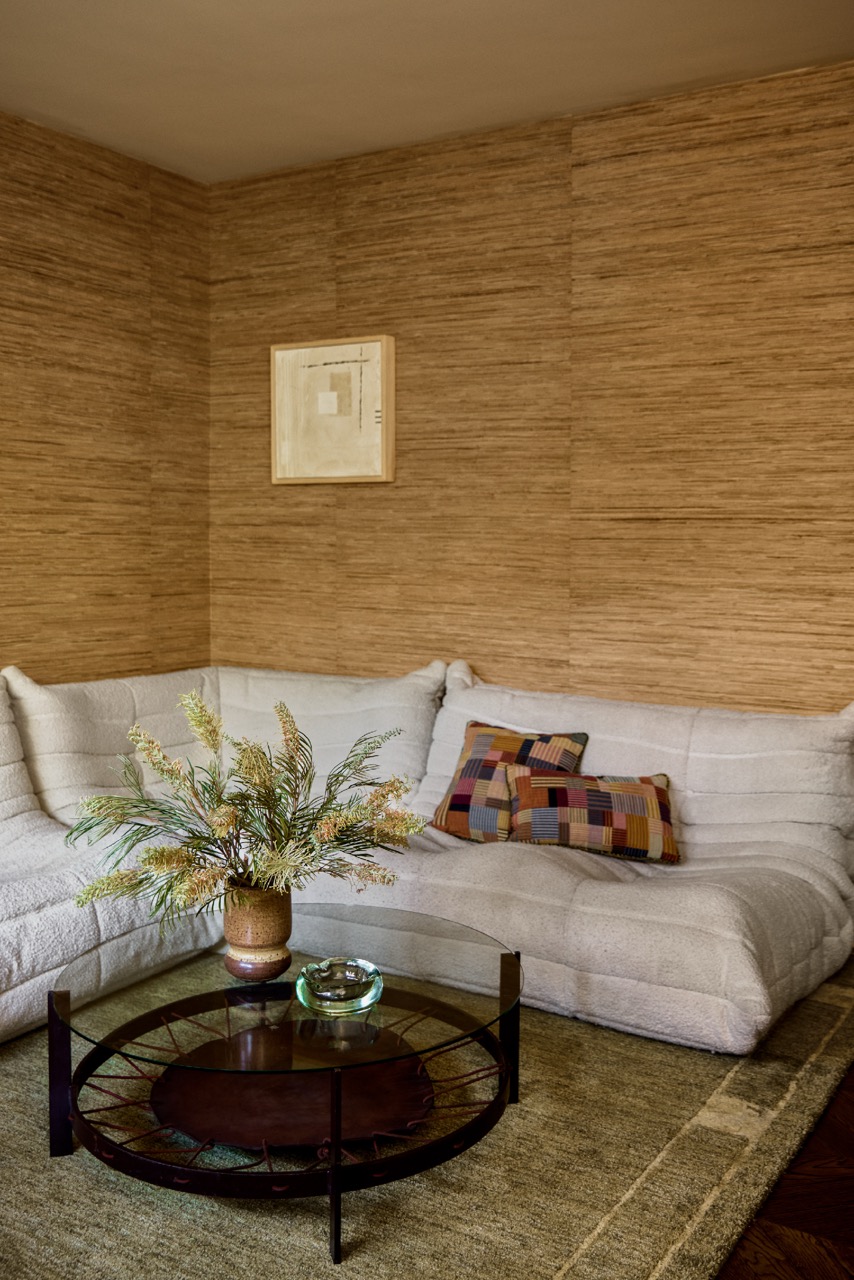
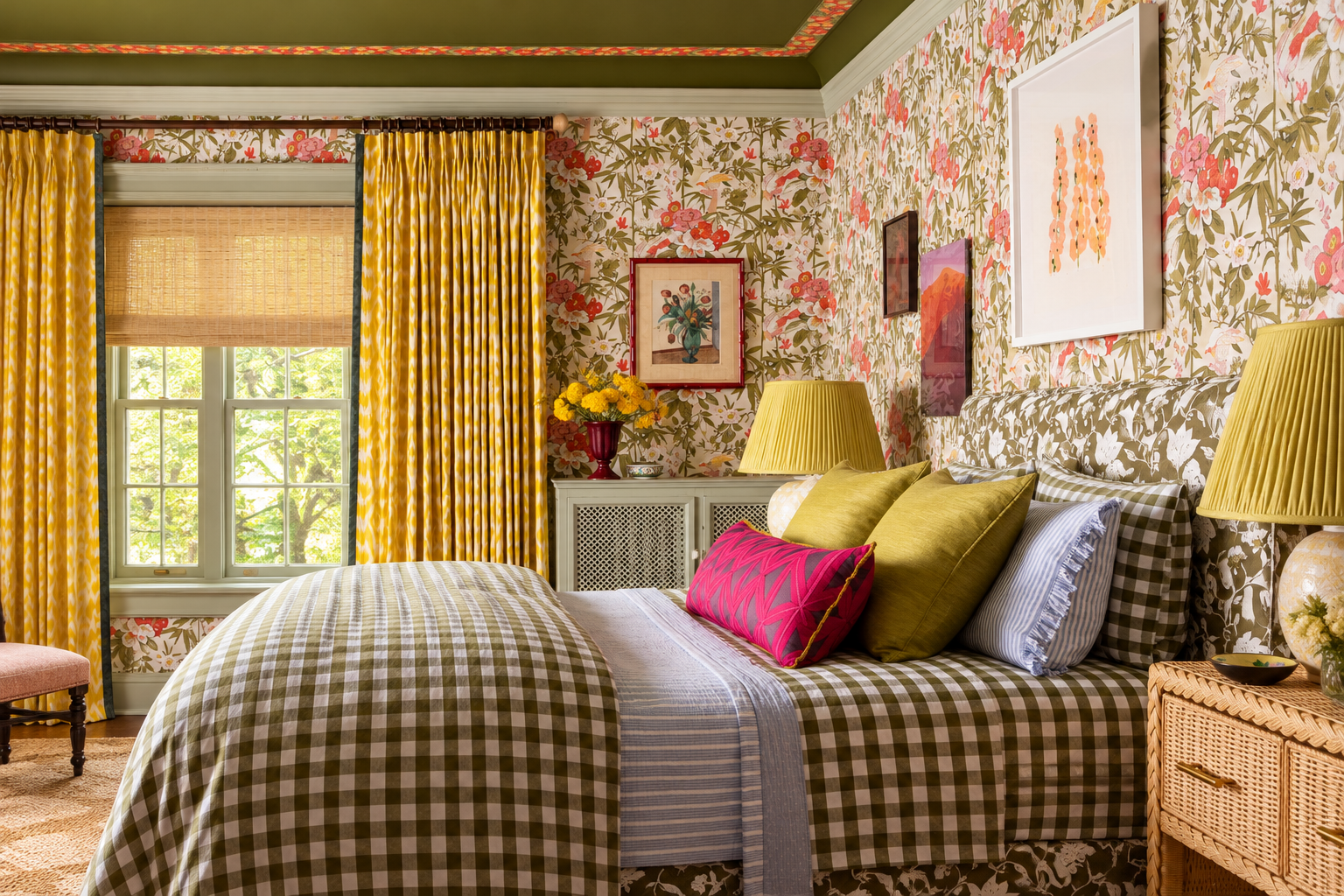
One of the defining characteristics of Greenblum’s practice is her resistance to working within a single aesthetic. While color is a consistent passion, she enjoys approaching each project through the personality of the client and the character of the architecture.
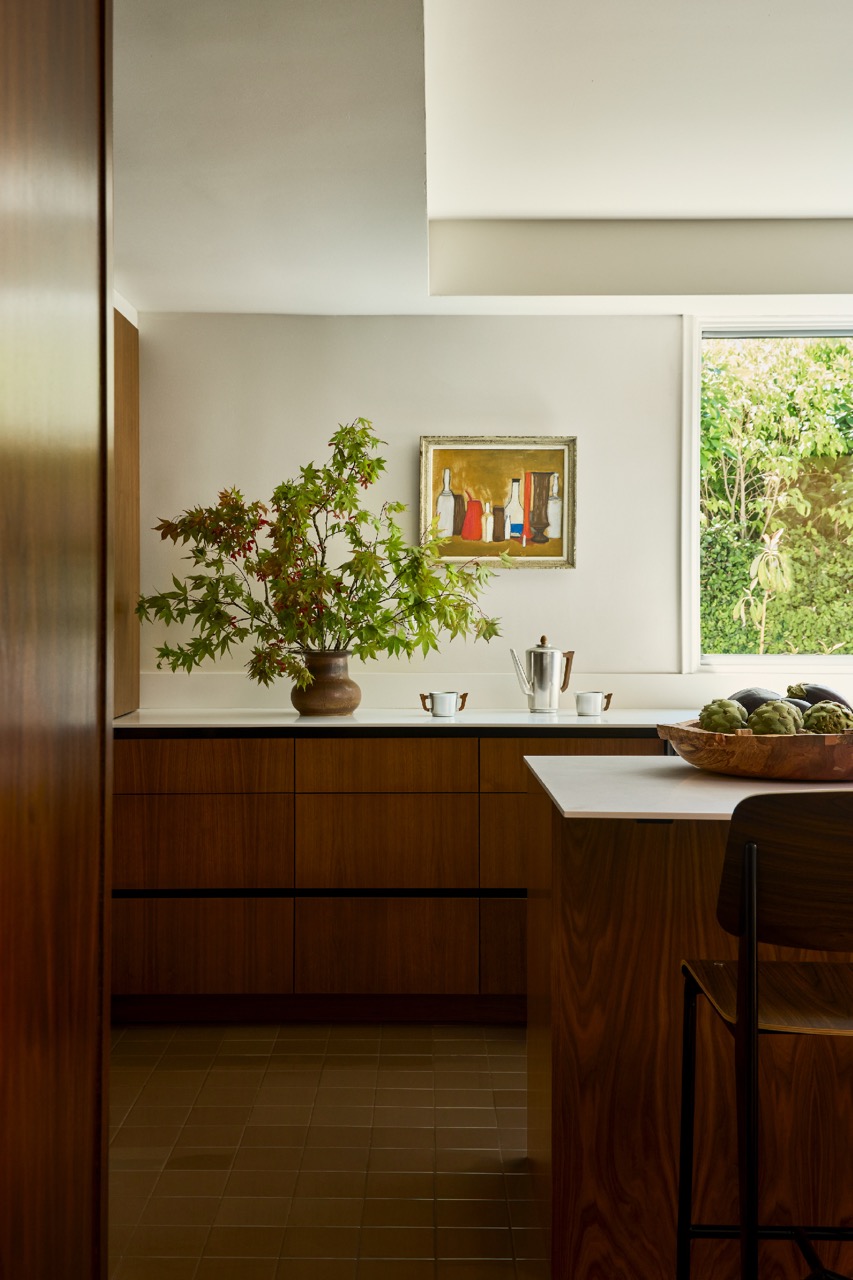
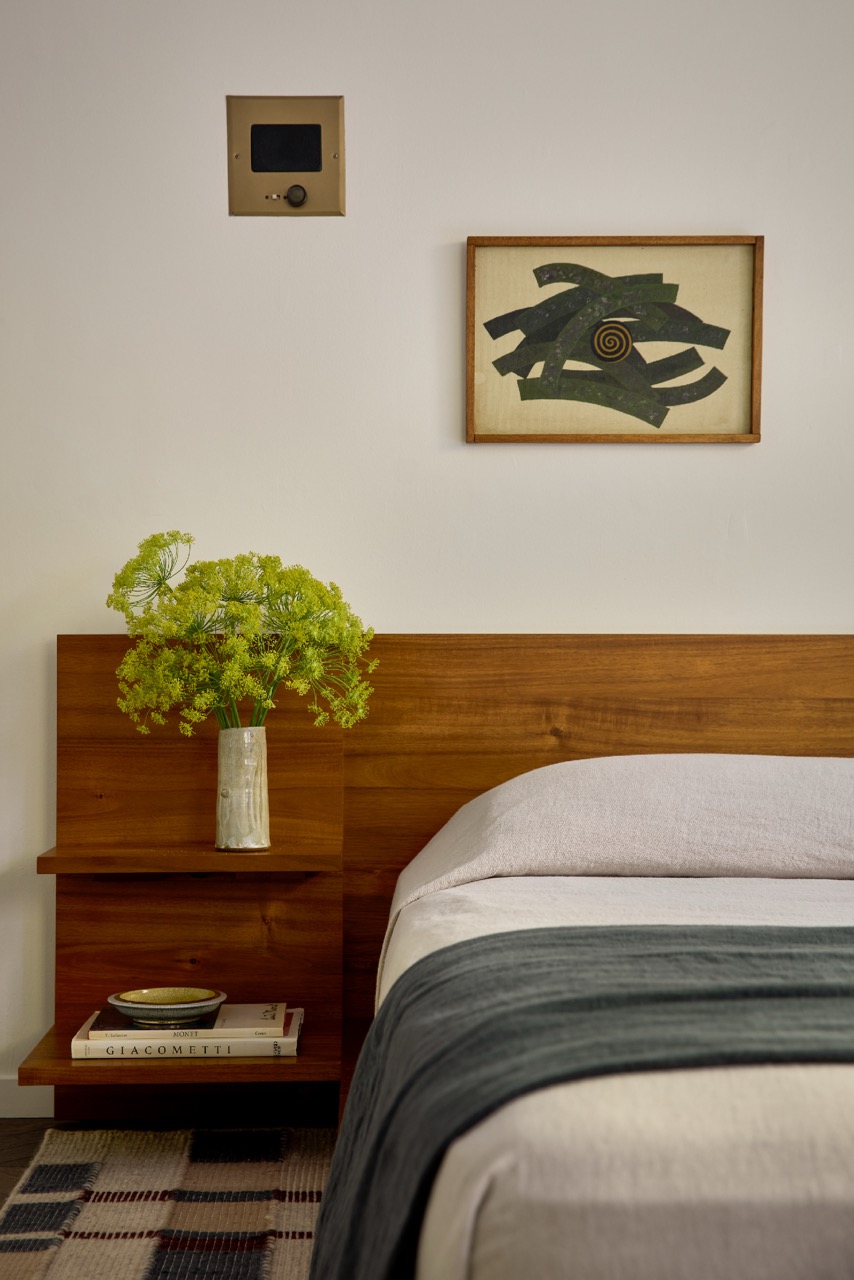
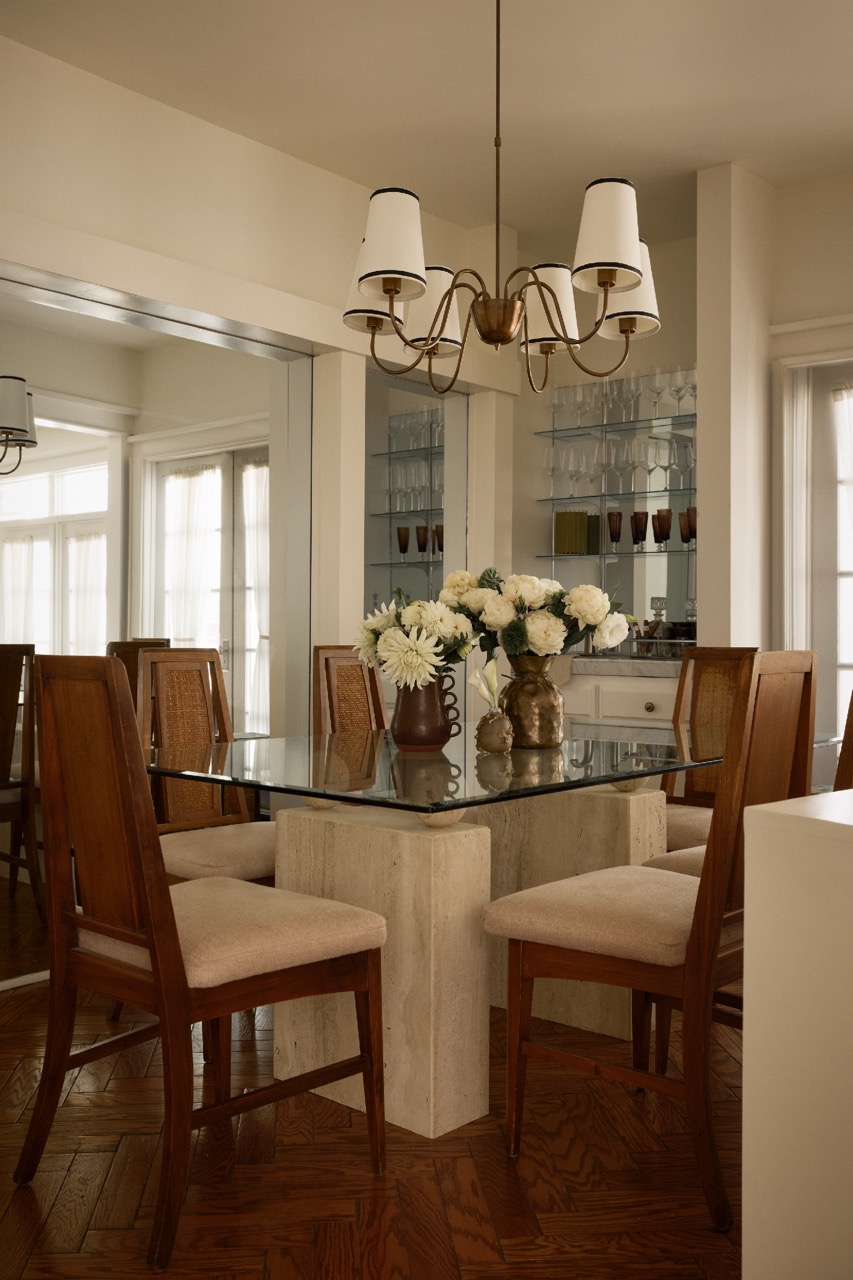
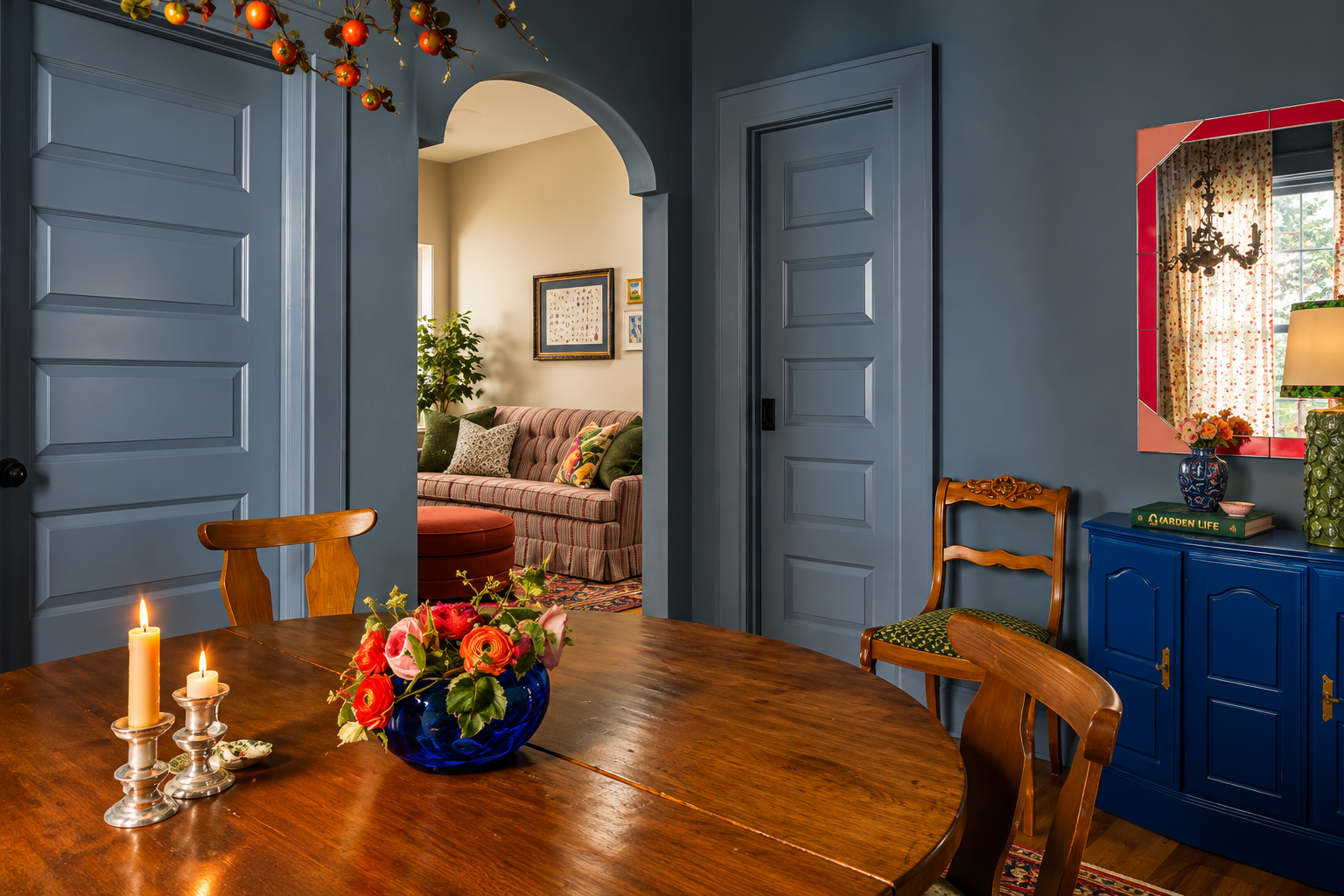
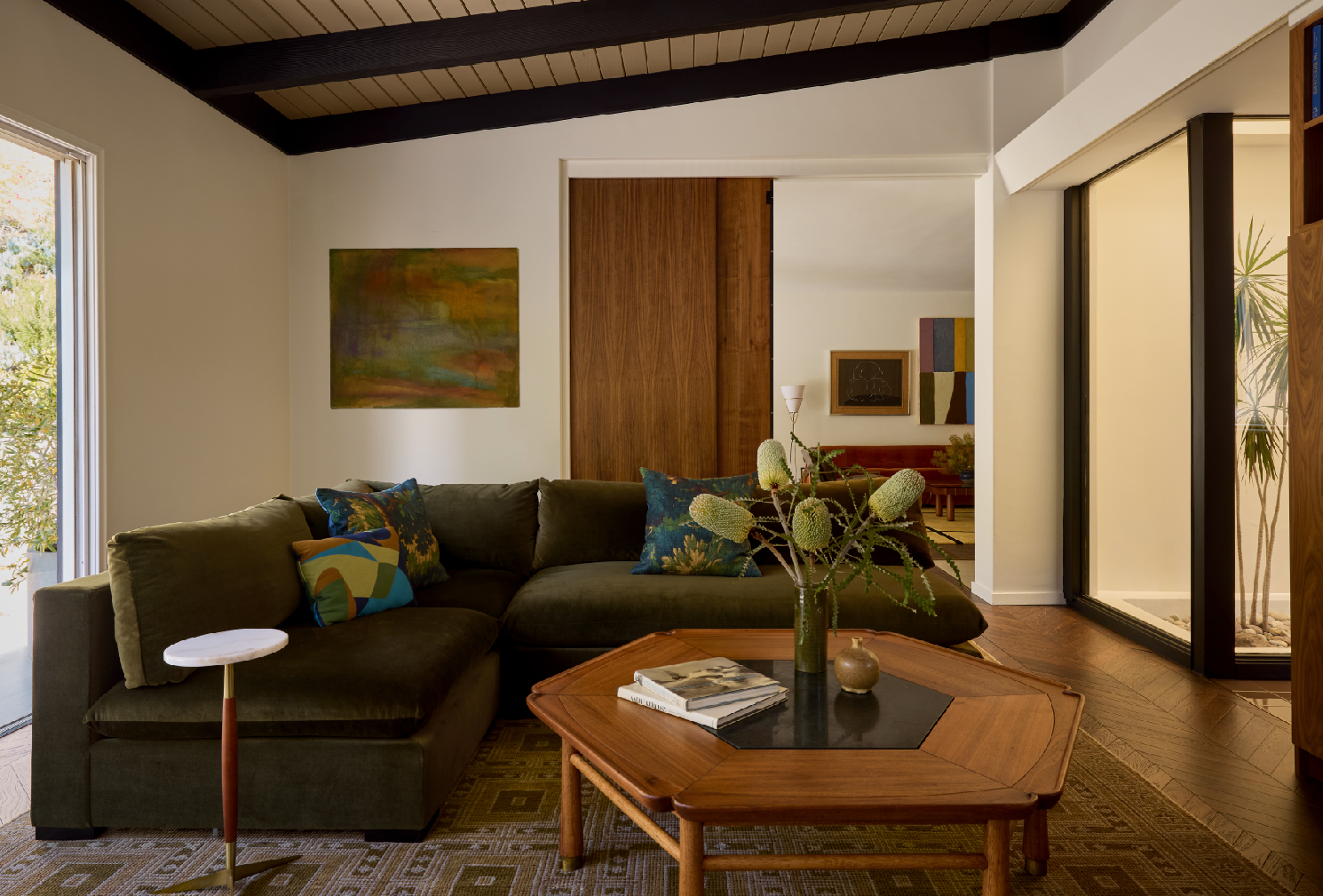
Her portfolio includes projects influenced by midcentury design, English cottage interiors, and what she describes as Southern Deco. Rather than repeating a recognizable formula, she gets to know each client and designs through their perspective.
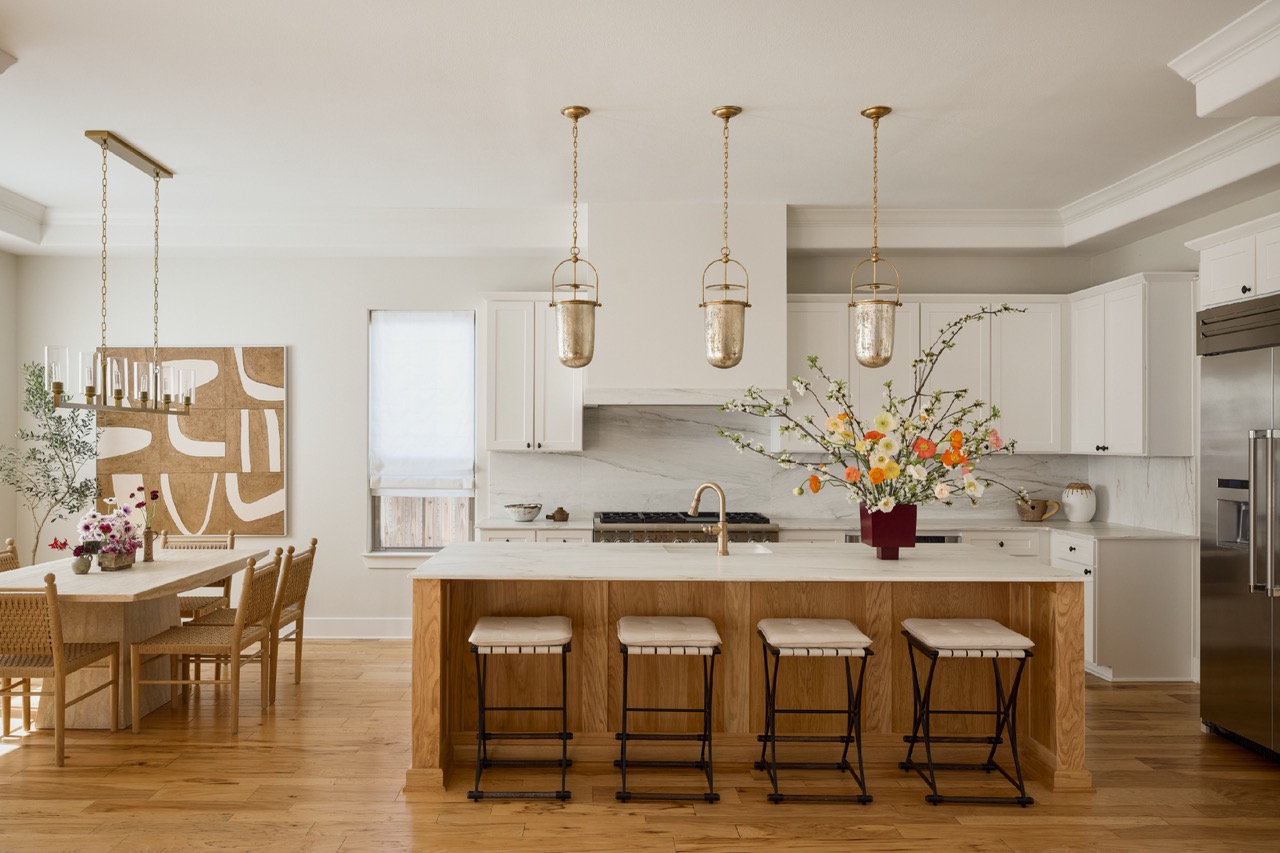
Working across different regions also requires an appreciation for local architecture, climate, and construction practices. Greenblum sees this variety as an opportunity to expand her creative perspective rather than a limitation.
A particularly important part of her process is sourcing. Despite the demands of managing a growing studio, she continues to select most furnishings personally. She is especially drawn to antiques and reclaimed pieces, believing that older objects bring history, texture, and individuality into newly designed spaces.
Her fascination with furniture extends beyond appearance. She enjoys understanding why pieces were made, how their construction reflects a particular period, and what gives them lasting value. She also appreciates the opportunity to introduce clients to objects that may eventually become family heirlooms.
When she has the chance to design a custom piece, she likes to include a unique, discreet detail that only the client will notice, so the piece feels like it belongs to the family.
Leading with Transparency, Empathy, and Curiosity
Managing projects across the country has made clear communication central to Greenblum’s business. She regularly collaborates with contractors she has not worked with before, making professionalism and mutual trust especially important.
She prioritizes transparency with clients, including detailed financial reporting and open discussions about budgets, pricing, and project challenges. Her goal is to create an environment where everyone involved feels informed and comfortable addressing problems as they arise.
Empathy also plays an important role in her design decisions. Recovering from a major surgery earlier in her career gave her a personal understanding of how furniture affects physical comfort.. That experience continues to influence her attention to proportions, ergonomics, and the way people interact with their homes.
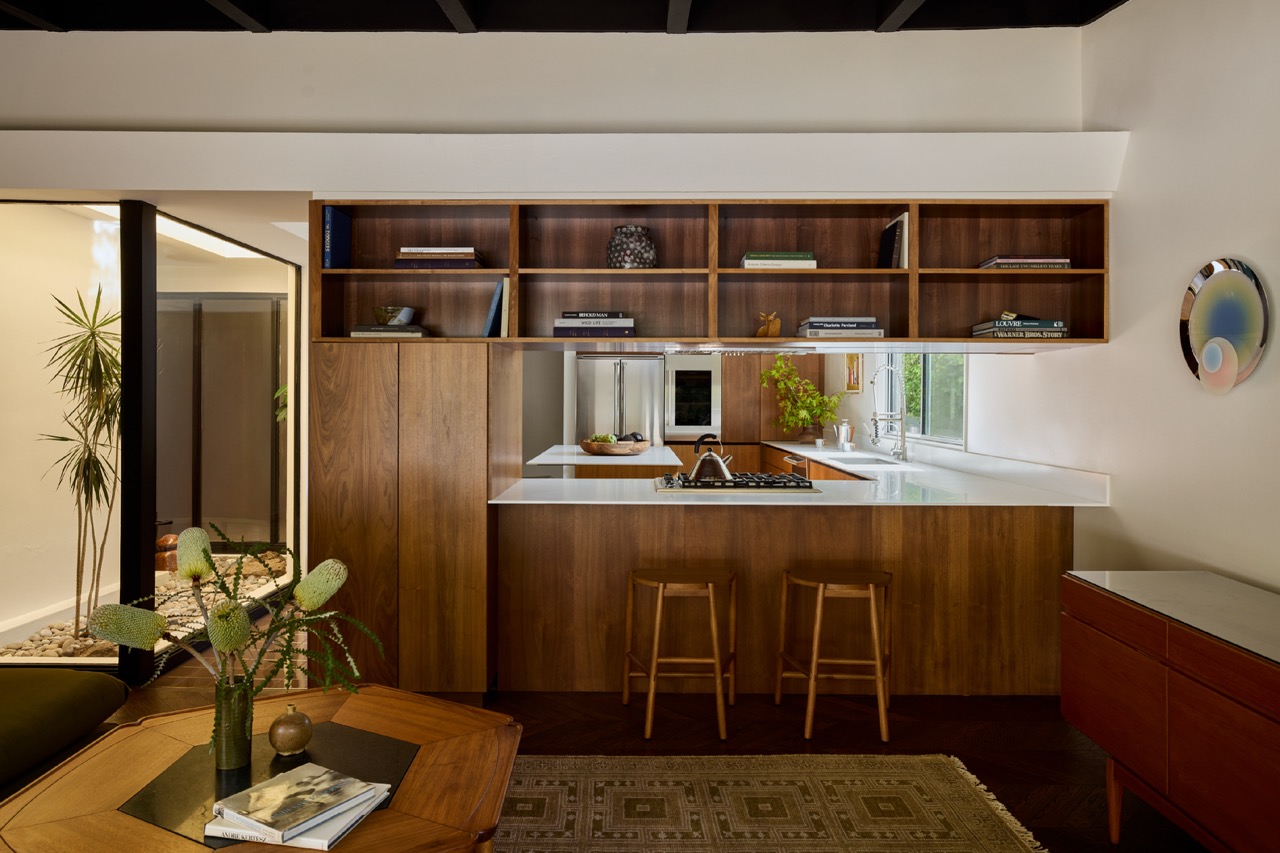
Outside the studio, Greenblum finds inspiration in museums and historic furnishings. She considers time spent studying art and craftsmanship an essential part of continuing her education, even when it offers a temporary escape from the demands of daily work.
Reflecting on her career, she encourages younger designers to appreciate the smaller moments of professional growth rather than focusing exclusively on recognition or major milestones. Looking back, she wishes she had spent more time absorbing the experiences and relationships that helped shape her perspective.
As her studio continues to develop, Greenblum remains enthusiastic about photographing completed projects, collaborating with new creative partners, and discovering what the next chapter will bring. Her approach reflects the balance she has cultivated throughout her career: an appreciation for artistic exploration supported by thoughtful preparation, personal relationships, and a genuine love of design.