Co-Founder and Principal Designer – Élan Design House
Background
Kilian Camp is a co-founder and principal designer of Élan Design House, a San Diego based studio she established with Alison and Katie after the three met while working at the same design firm. Her path into interiors began later than some, when she returned to school in her late twenties and attended the Miami International School of Art and Design.
Miami provided an immersive introduction to the profession. The city’s growing design scene exposed Camp to international influences, luxury materials, custom furnishings, and a market where ambitious design ideas were encouraged. An internship through school developed into a job and eventually led to work across high end residential interiors, resorts, hotels, restaurants, and luxury condominium projects.
Camp moved to San Diego about ten years ago while her husband was completing his medical training, but continued working for her Miami firm for approximately three years. She traveled between San Diego, Miami, and New York, including work on 432 Park Avenue in New York. While the projects offered extraordinary experience, the travel, long hours, and pressure eventually became difficult to sustain.
After transitioning to a smaller San Diego firm, Camp met the future partners of Élan Design House. When the firm announced it would close, she began interviewing elsewhere but found herself confronting the same demanding environments she no longer wanted to return to. Instead, she asked Alison and Katie whether they wanted to start a business together. Five years later, that decision has developed into a studio built around the complementary experience of all three partners.
Approach
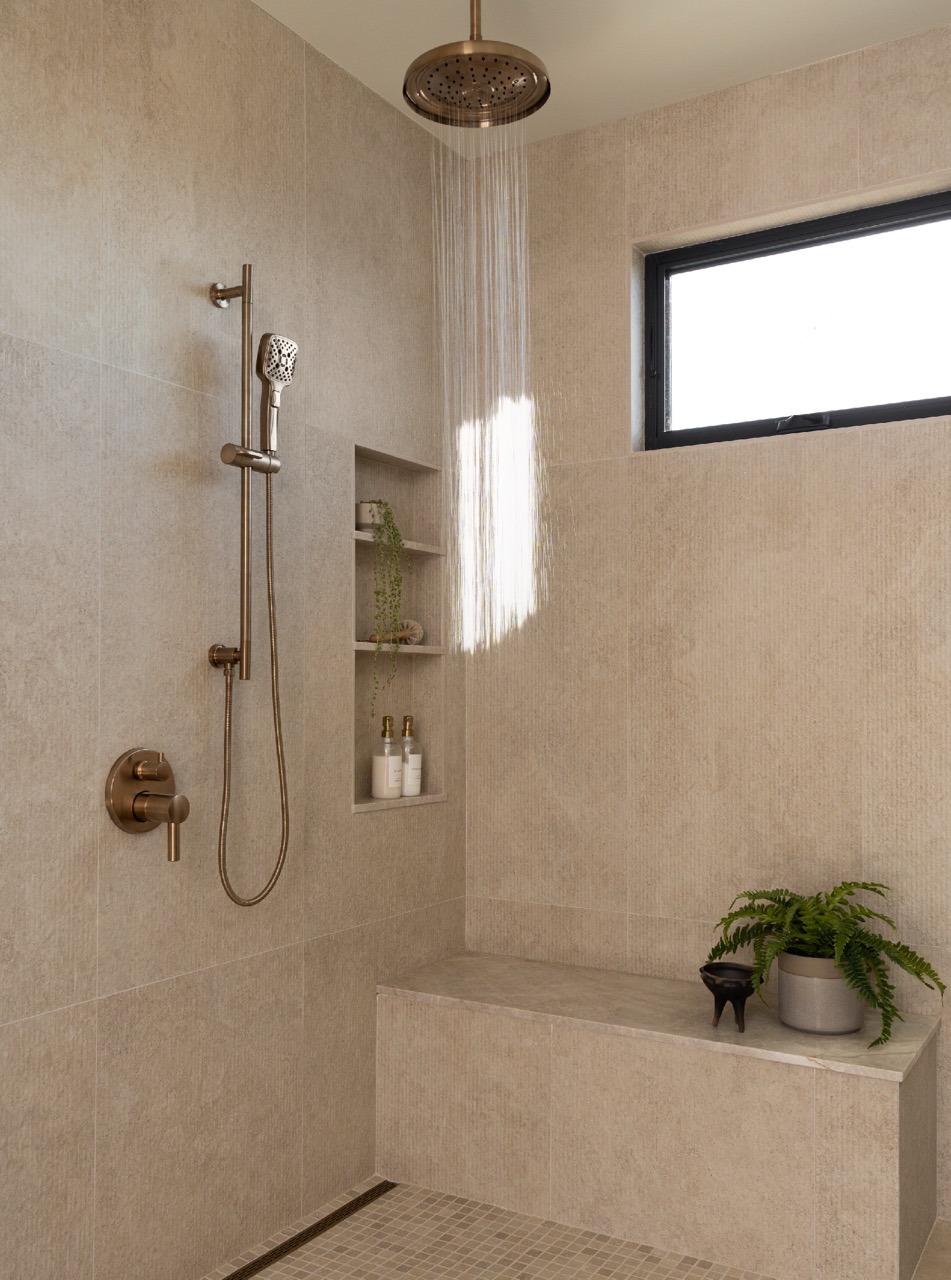
Camp’s experience in Miami and San Diego has given her firsthand exposure to dramatically different design cultures. Miami introduced her to an intense luxury market characterized by opulent materials, custom furnishings, international resources, and highly detailed residential and commercial projects. San Diego required an adjustment toward a more relaxed environment where practicality and everyday living often play a larger role.
Over time, Camp has adapted to that difference while finding opportunities for Élan Design House to express more of its own perspective. Rather than imposing one aesthetic on every project, she believes the designer’s role is to understand what the client wants, introduce ideas they may not have considered, and use professional experience to elevate the result.
The studio works across different styles because the client and architecture help determine the direction. Camp is comfortable strongly recommending a different approach when she believes it will improve a project, but ultimately wants clients to feel happy with the home they are creating.
Full home renovations and new construction provide the type of involvement Camp finds especially rewarding. Élan Design House prefers to participate from the beginning of a project through the final furnishings and accessories, allowing the designers to consider the entire home rather than addressing individual elements in isolation.
The people involved are equally important. After years of working on projects where she had little control over client selection, Camp values the studio’s ability to recognize when a relationship may not be right. A smaller project with a kind and appreciative client can be more worthwhile than a larger project defined by a difficult working relationship.
Collaboration has also become increasingly important within the studio itself. Camp and Alison initially managed their own projects, but Élan Design House is transitioning toward a more integrated approach. Assistants now support drawings, schedules, and other technical responsibilities, while Camp and Alison are finding ways to contribute across projects according to their individual strengths.
Beyond Design
Music, art, and nature remain important influences outside Camp’s professional work. Before entering interior design, she earned a music degree, and music continues to be part of her daily creative process. She gravitates toward EDM and jazz and often listens while working. Art and museums offer another source of inspiration, particularly through unexpected combinations of color.
Surfing provides something different. Being in the ocean gives Camp perspective and reminds her how small the pressures of work can become within a much larger world. That sense of perspective has become particularly meaningful after years spent navigating demanding professional environments.
Looking back, Camp recognizes that the long hours and pressure of her earlier career gave her much of the experience she relies on today, but also contributed to burnout. As a business owner, she has become more conscious of maintaining energy for the future and remembering that not every design problem needs to become a crisis.
One of Camp’s greatest sources of pride is the tenacity it has taken to sustain Élan Design House for five years. She is proud not only of the work the studio has produced but also of the professional community the partners have built around it. Her earlier experiences taught her how important relationships with vendors and industry partners can become when challenges arise, and she has deliberately worked to develop relationships based on mutual support and respect.
That community now includes longstanding representatives, builders, vendors, and collaborators who have become an important part of how the studio operates. For Camp, the willingness of those people to help when problems arise reflects the way Élan Design House has chosen to treat the people around it.
As the studio enters its next stage, Camp is also looking toward greater involvement in the design community. After spending years focused heavily on projects, Élan Design House has begun pursuing more visibility through public relations, publications, panel discussions, and opportunities to contribute as educators.
The growth represents another evolution for a designer who did not originally set out to become a business owner. What began as a leap with two colleagues has developed into a studio where Camp can draw from years of luxury design experience while building a more collaborative, sustainable, and relationship driven way of working.