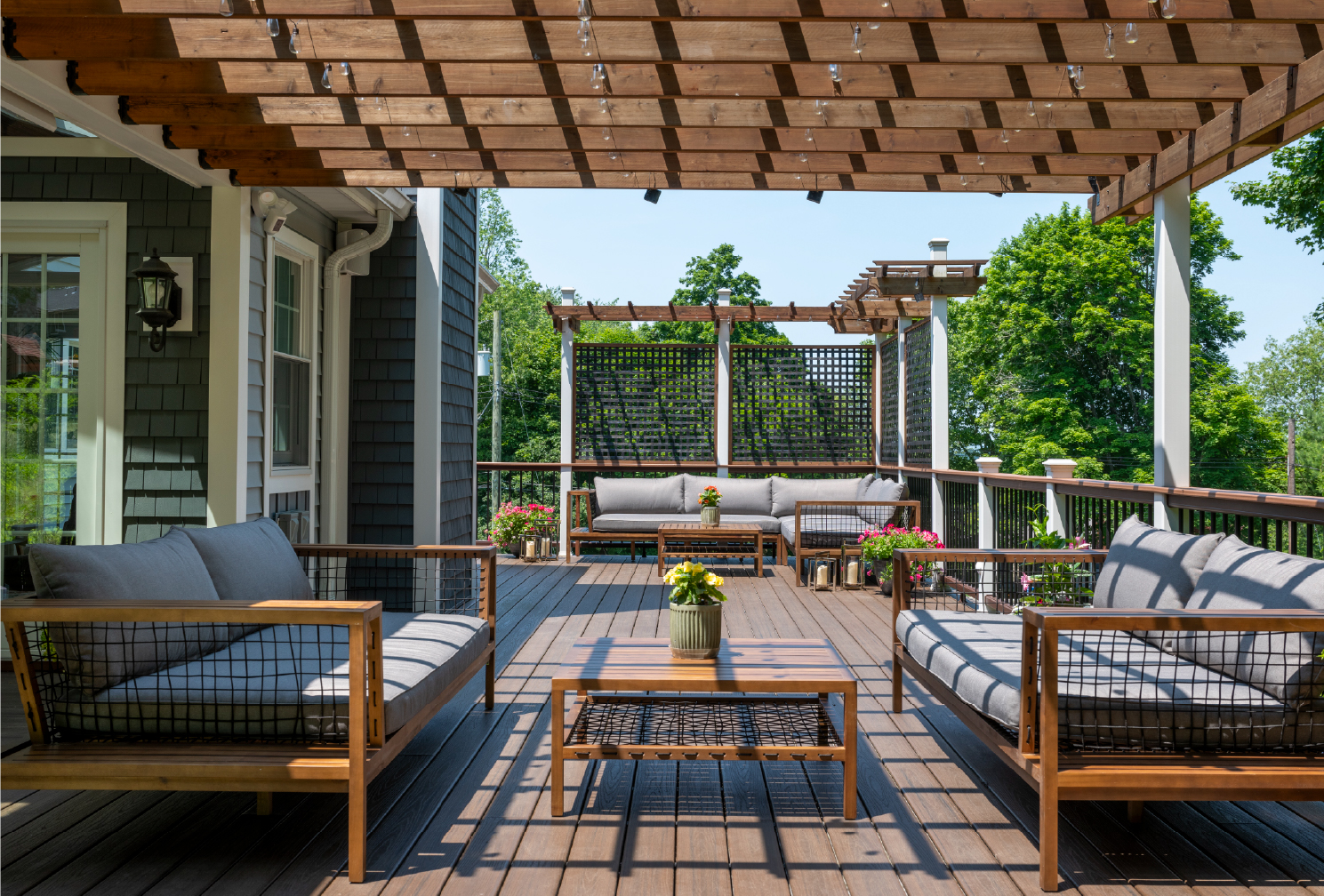
For Nina Lichtenstein, interior design was never part of the original plan. Her early career centered on education, languages, and a lifelong connection to nature. It was only after transforming her own family home that she realized the spaces people live in can have a profound impact on how they feel, think, and function every day.
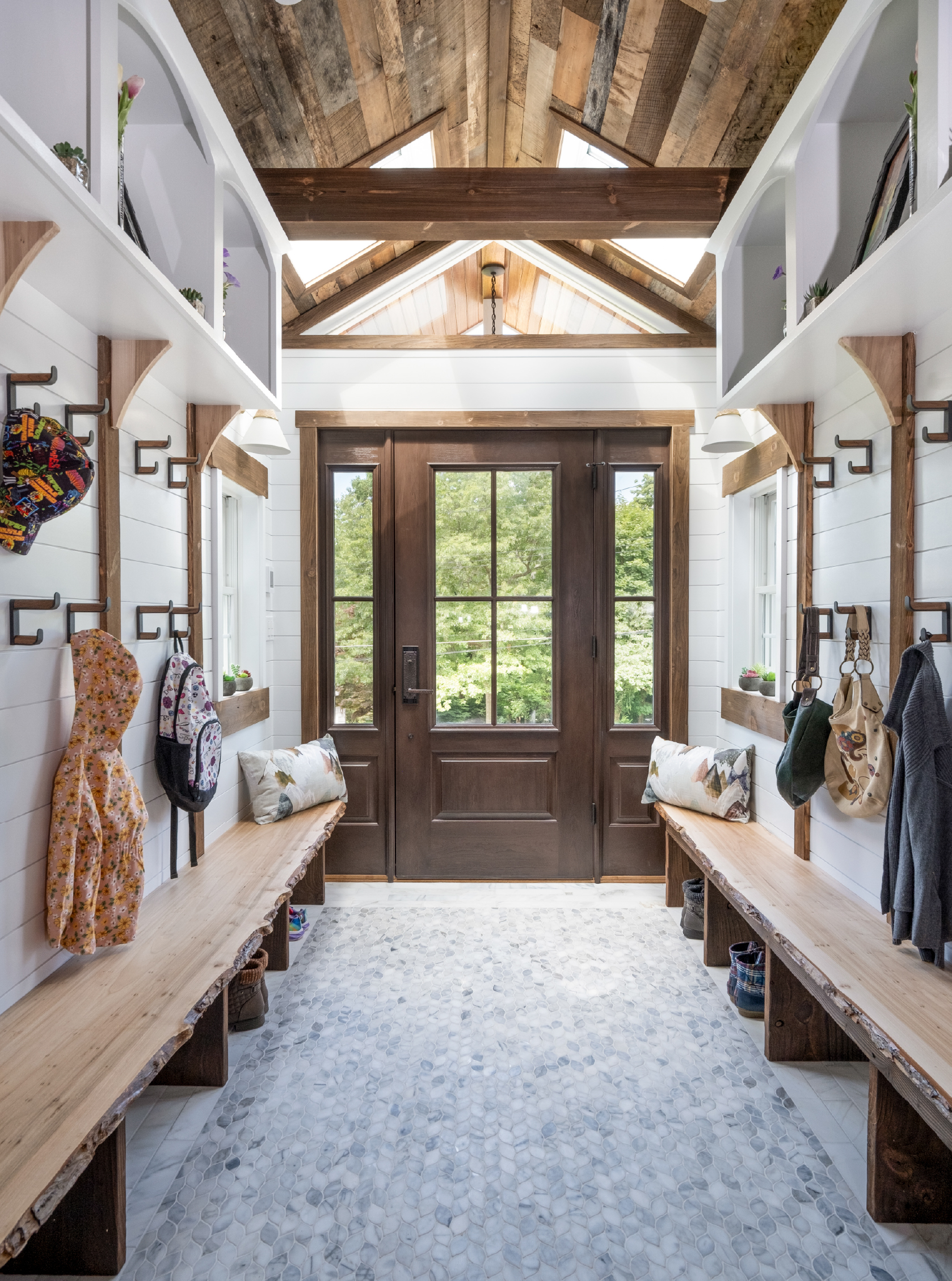
That experience became the foundation of her practice. Today, Lichtenstein specializes in biophilic and neuroaesthetic design through her studio Custom Home Design by Nina Lichtenstein, creating homes that strengthen the connection between people and nature while supporting physical, mental, and emotional well being.
Discovering Design Through Her Own Home
Before becoming an interior designer, Lichtenstein worked as a nature inspired Montessori preschool teacher. Her academic work focused on the importance of nature in childhood development and the challenge of bringing those experiences into urban environments.
When she and her family moved to Westchester, she began renovating their home, not with the intention of starting a business, but simply to create a better place to live.
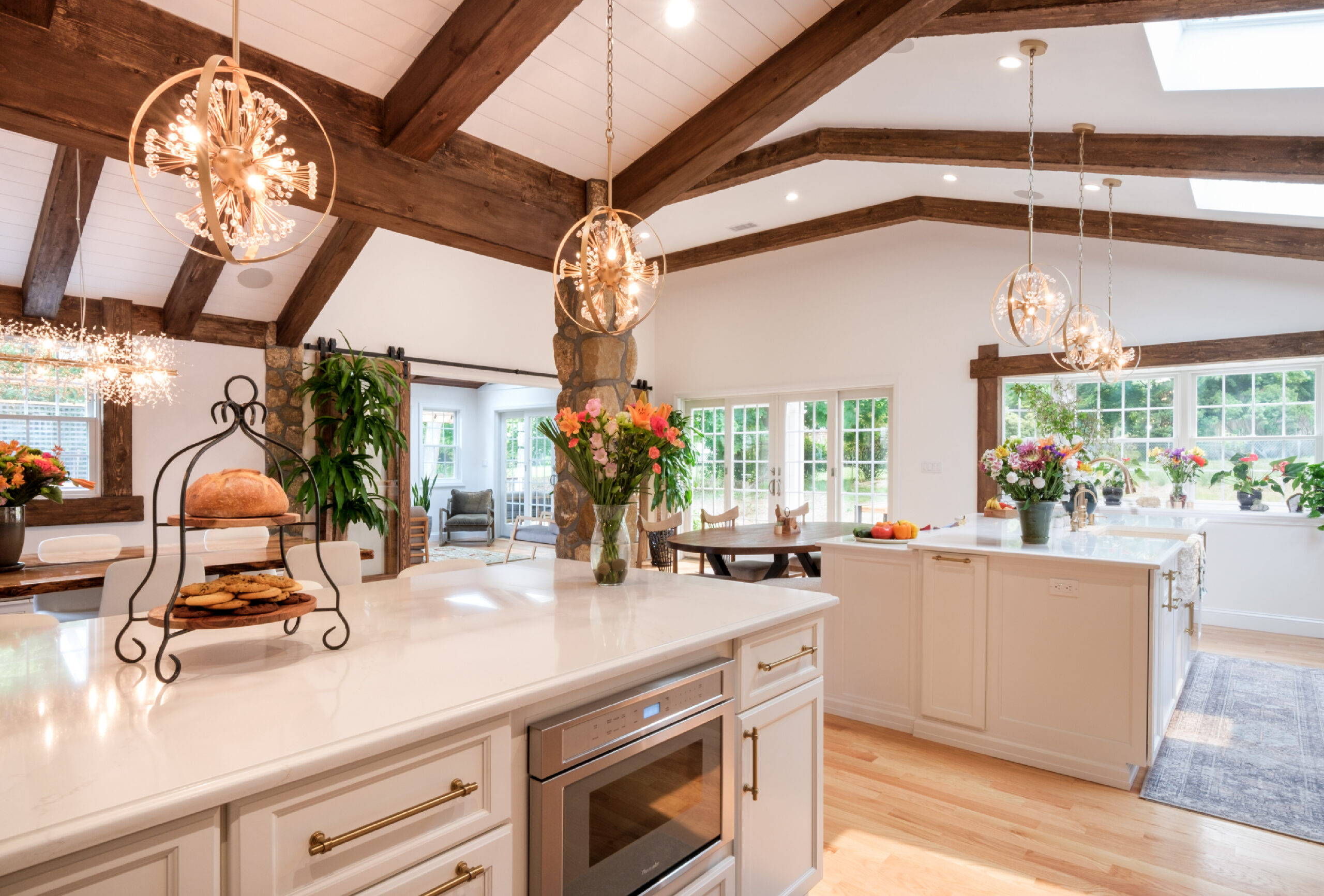
Together with her builder, she transformed every aspect of the house, raising ceilings, redesigning layouts, and introducing natural materials and custom details throughout the home.
“I completely fell in love with construction, project management, and coming up with creative ideas.”
Looking back, she realized she had intuitively designed the home around principles that already existed within biophilic and neuroaesthetic design, even before she knew those disciplines had names.
Reading about biophilic design later became a turning point.
“I was kind of shocked that there was a whole research backed strategy for what I was intuitively drawn towards.”
That discovery led her to pursue formal certification through Science in Design after launching her own studio.
Designing With Nature in Mind
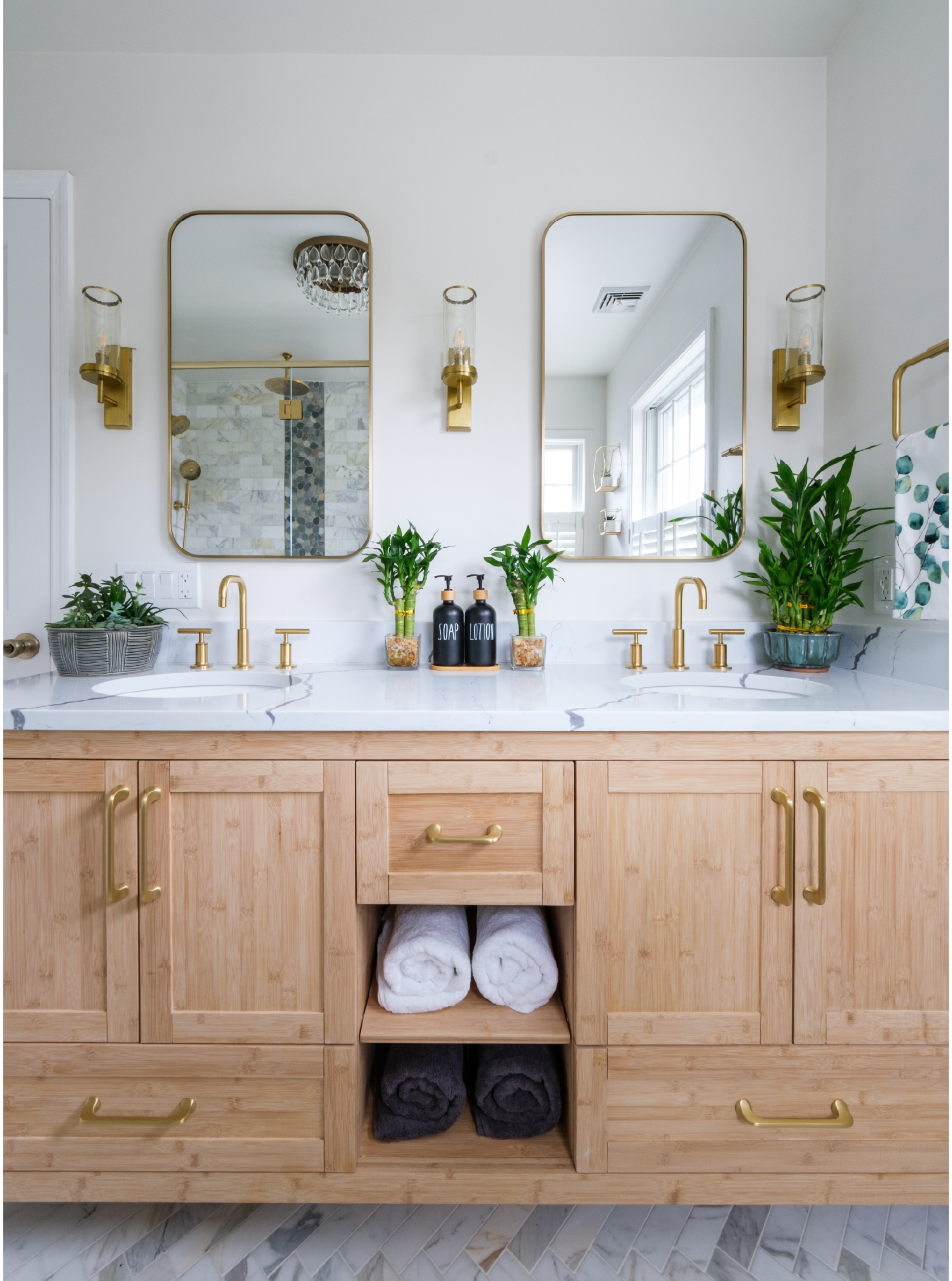
Lichtenstein believes our surroundings are never neutral. Every space either supports our well being or gradually works against it.
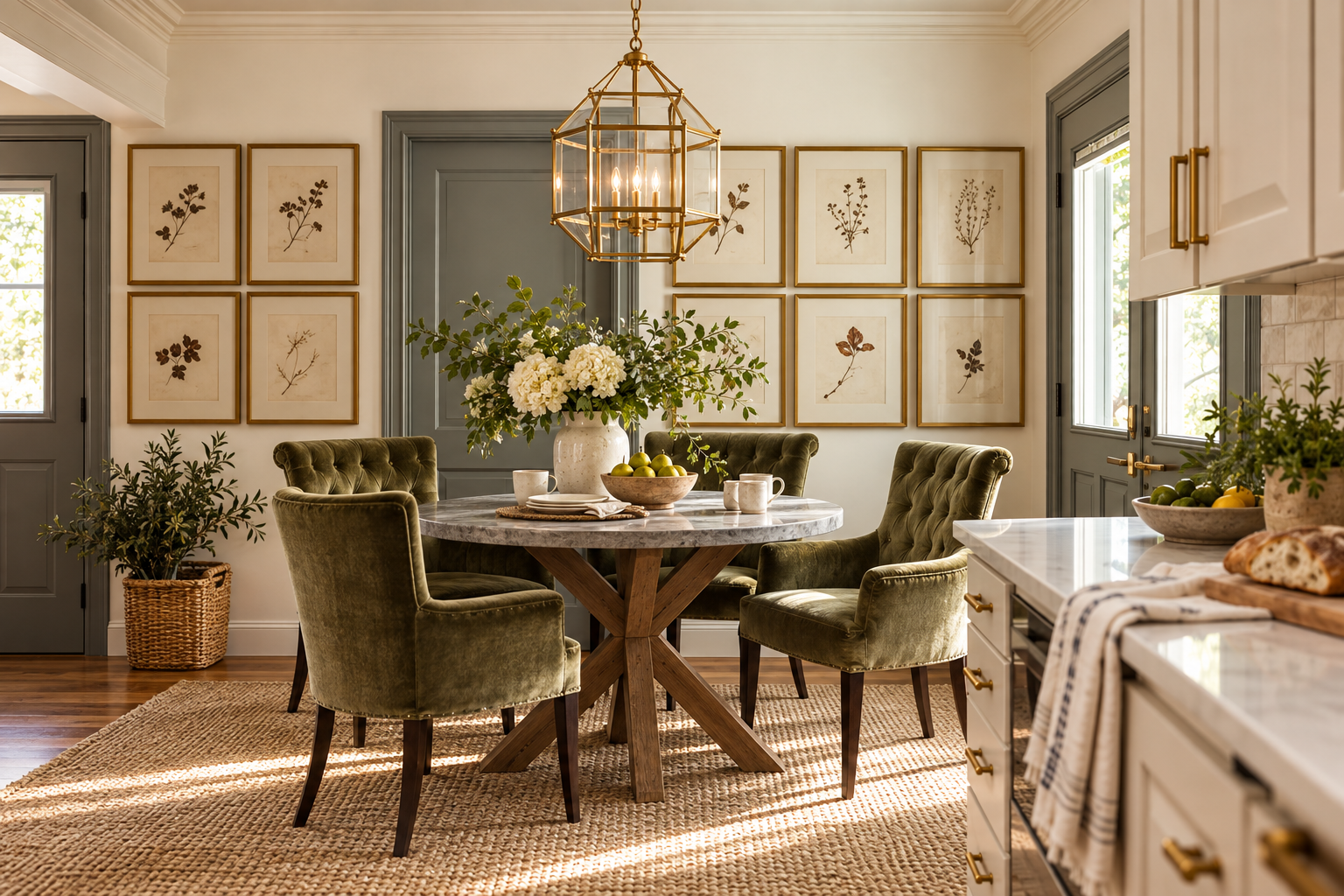
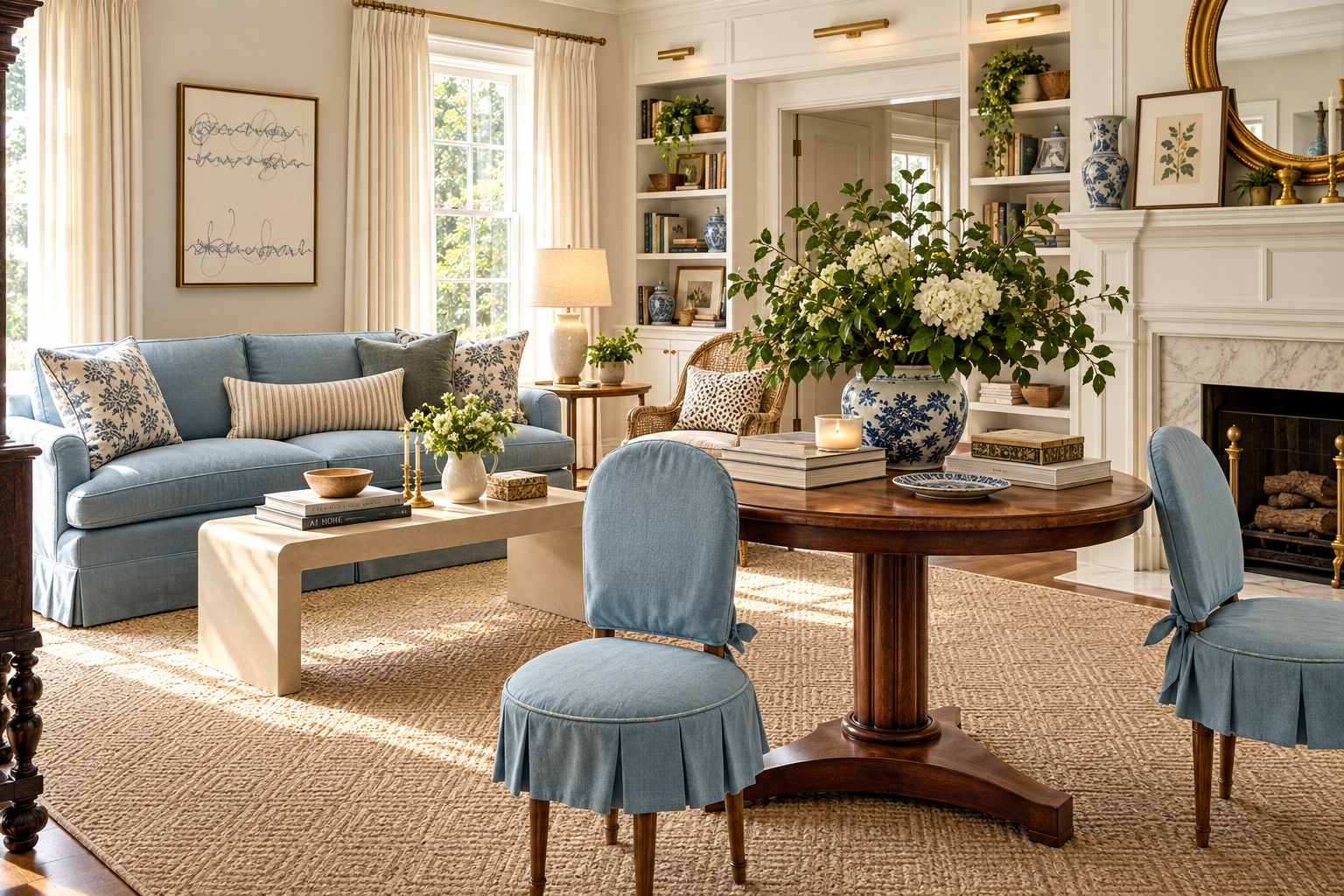
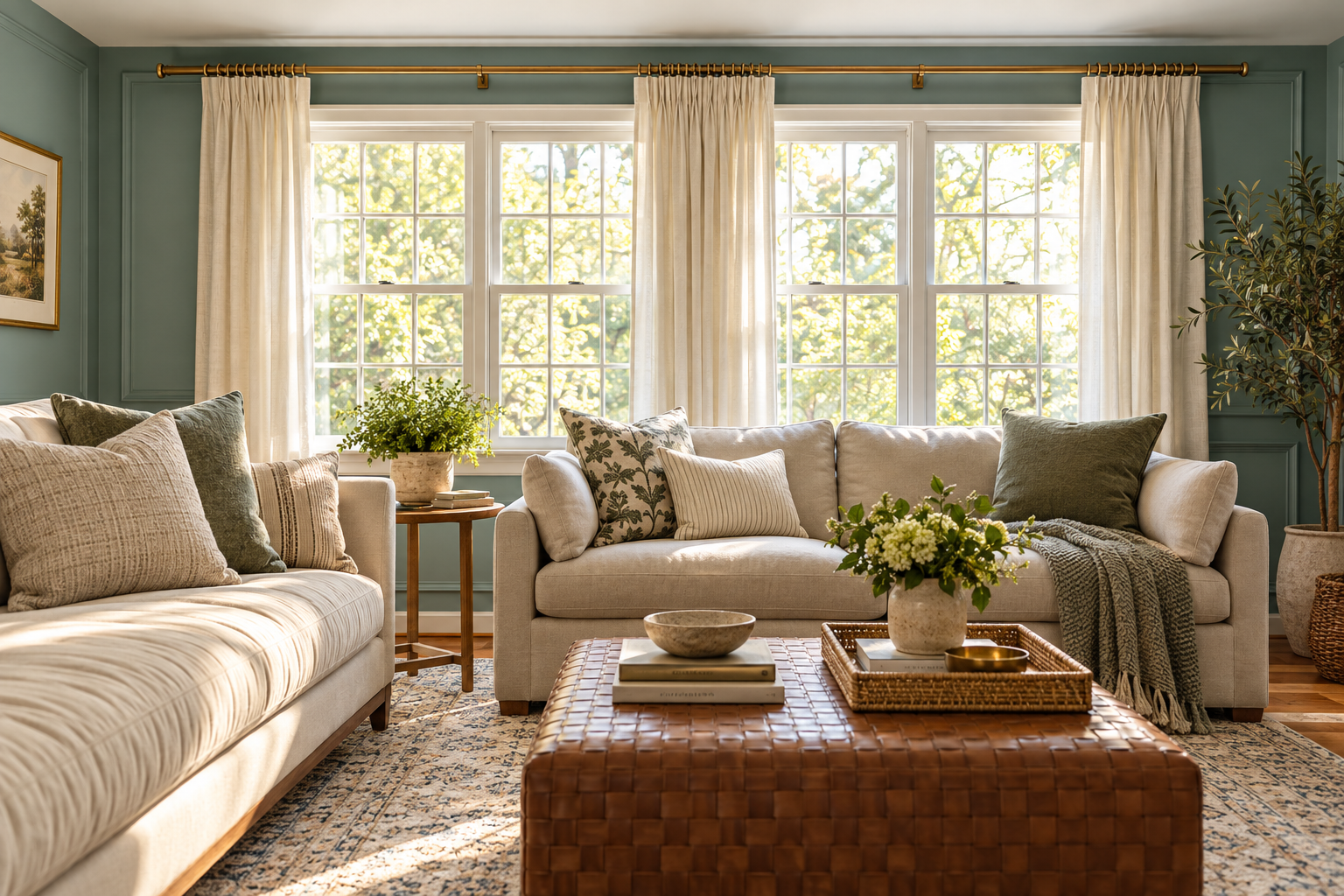
Her work focuses on creating environments that reconnect people with nature through natural materials, organic forms, fractal patterns, light, and views that reduce stress while supporting the nervous system.
“Our environments are either supporting us or they’re depleting us.”
Rather than introducing these concepts as abstract theories, she explains them in ways clients can immediately relate to. Many already recognize the feeling they are looking for, even if they have never heard terms like biophilic or neuroaesthetic design.
“They sense it themselves.”
For Lichtenstein, the science simply provides language and research to explain what many people instinctively experience.
Designing for Health, Not Just Appearance
Throughout the conversation, Lichtenstein repeatedly returned to one central belief: interior design has the ability to improve people’s lives in measurable ways.
When discussing her business model, she emphasized that her work goes well beyond selecting finishes or furnishings.
“I’m not charging for time. I’m charging for value.”
Whether designing multigenerational homes, spaces that support aging in place, or environments for clients managing health conditions, she views every design decision through the lens of long term well being.
“I am literally transforming the rest of somebody’s entire life.”
From improving layouts that reduce stress to specifying details that improve safety and accessibility, she believes thoughtful design can contribute to healthier daily living.
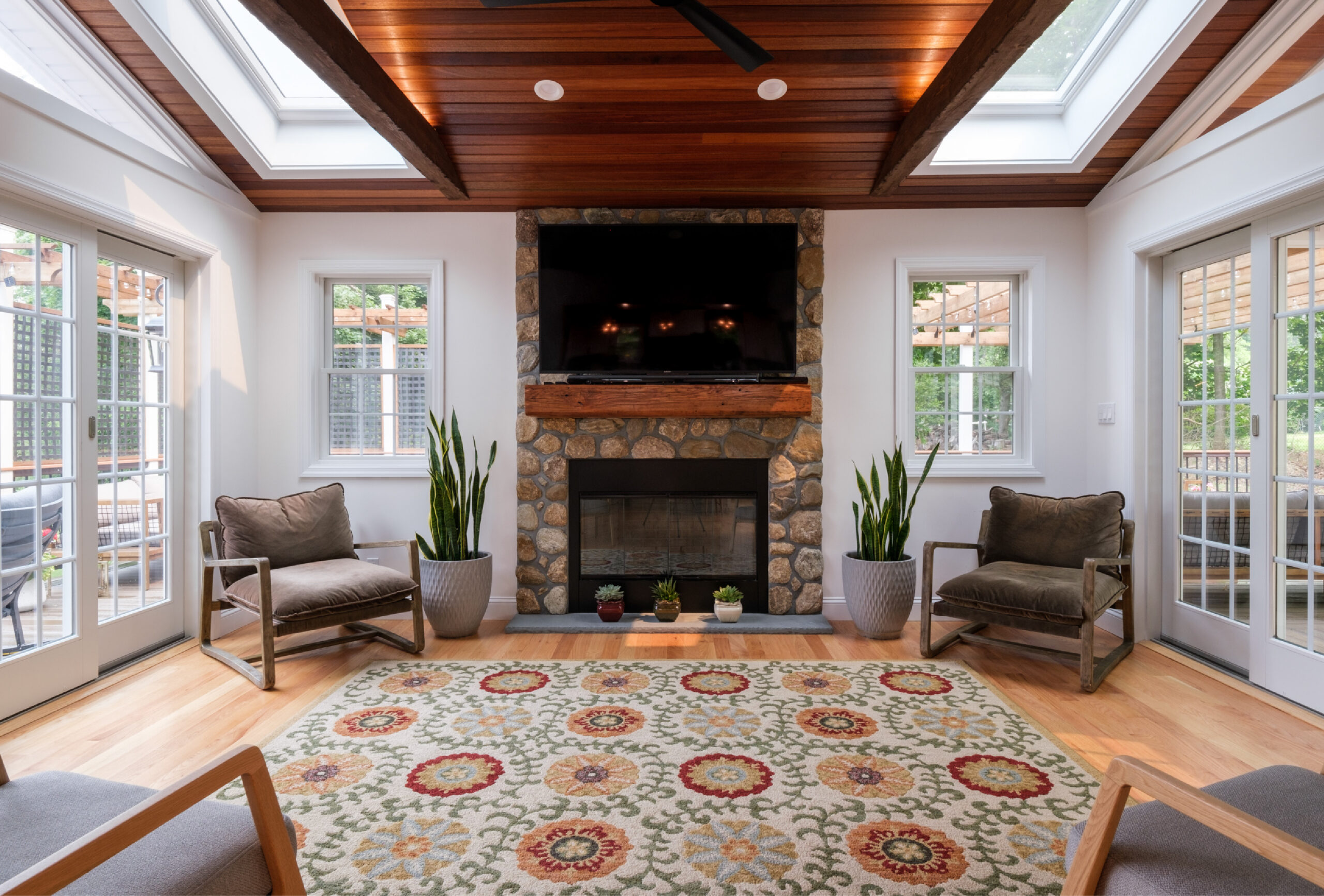
Bringing Biophilic Design Into Healthcare
Lichtenstein’s belief in the power of designed environments led her beyond residential work and into one of the most challenging settings imaginable: behavioral health facilities.
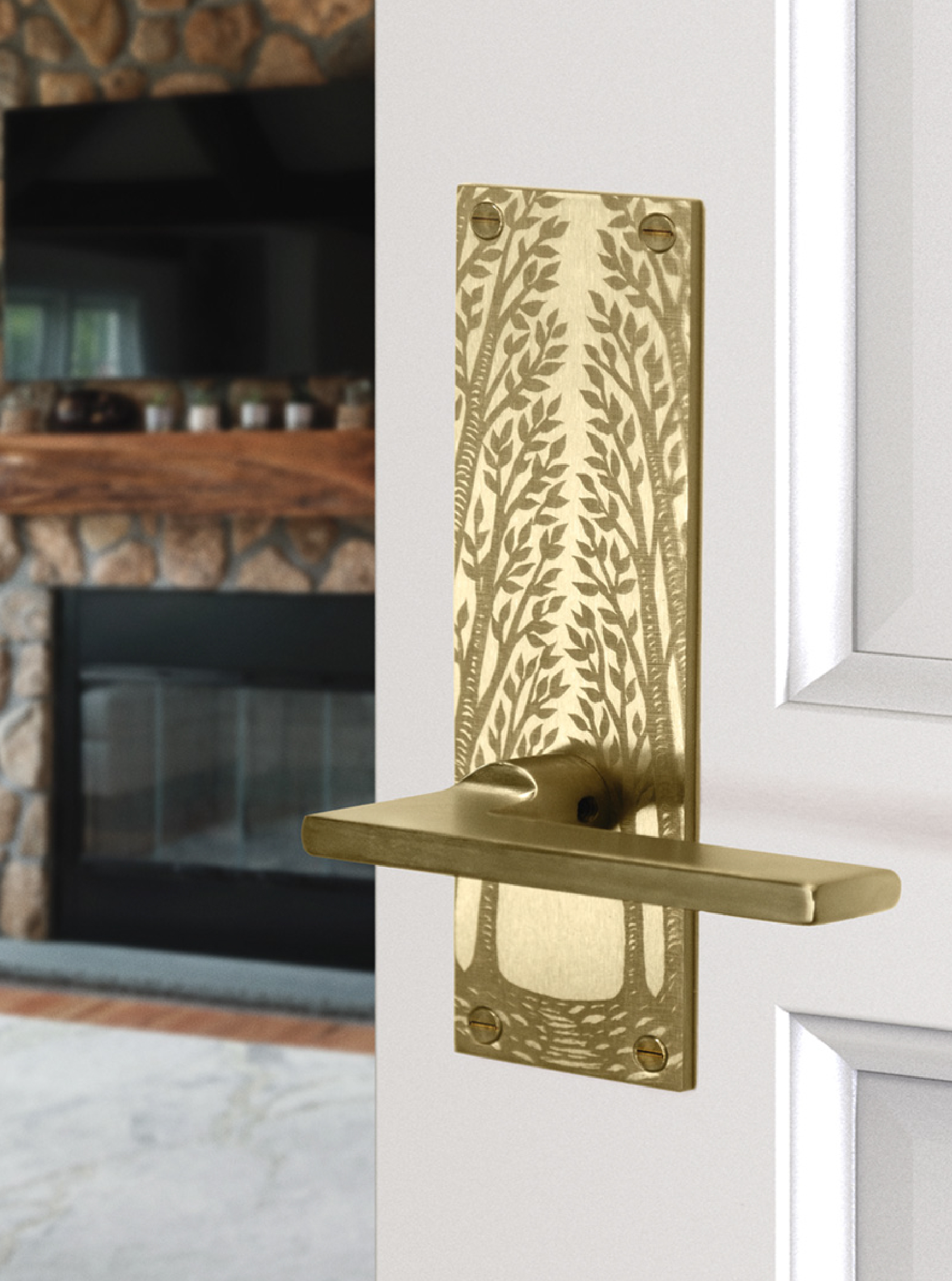
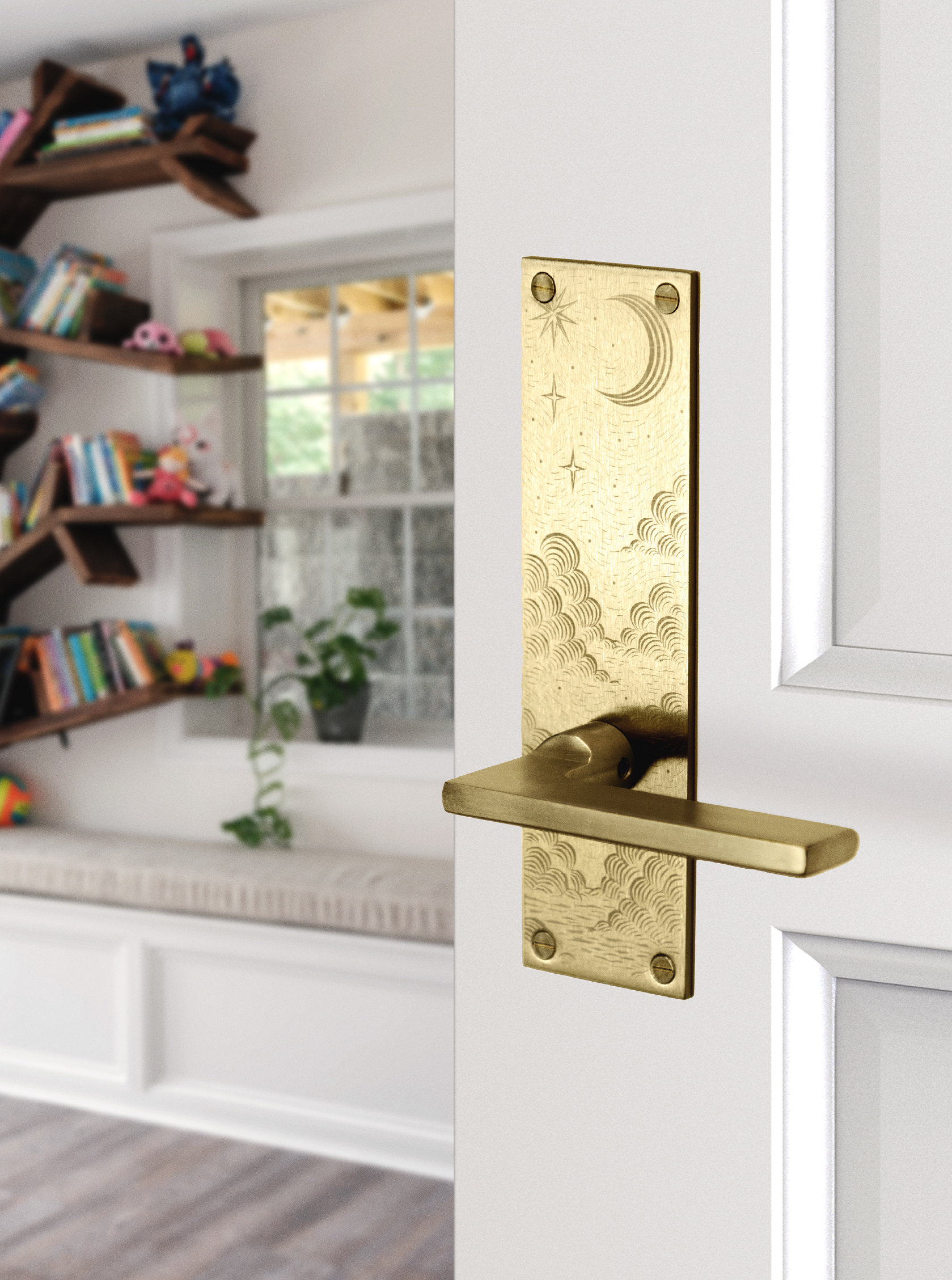
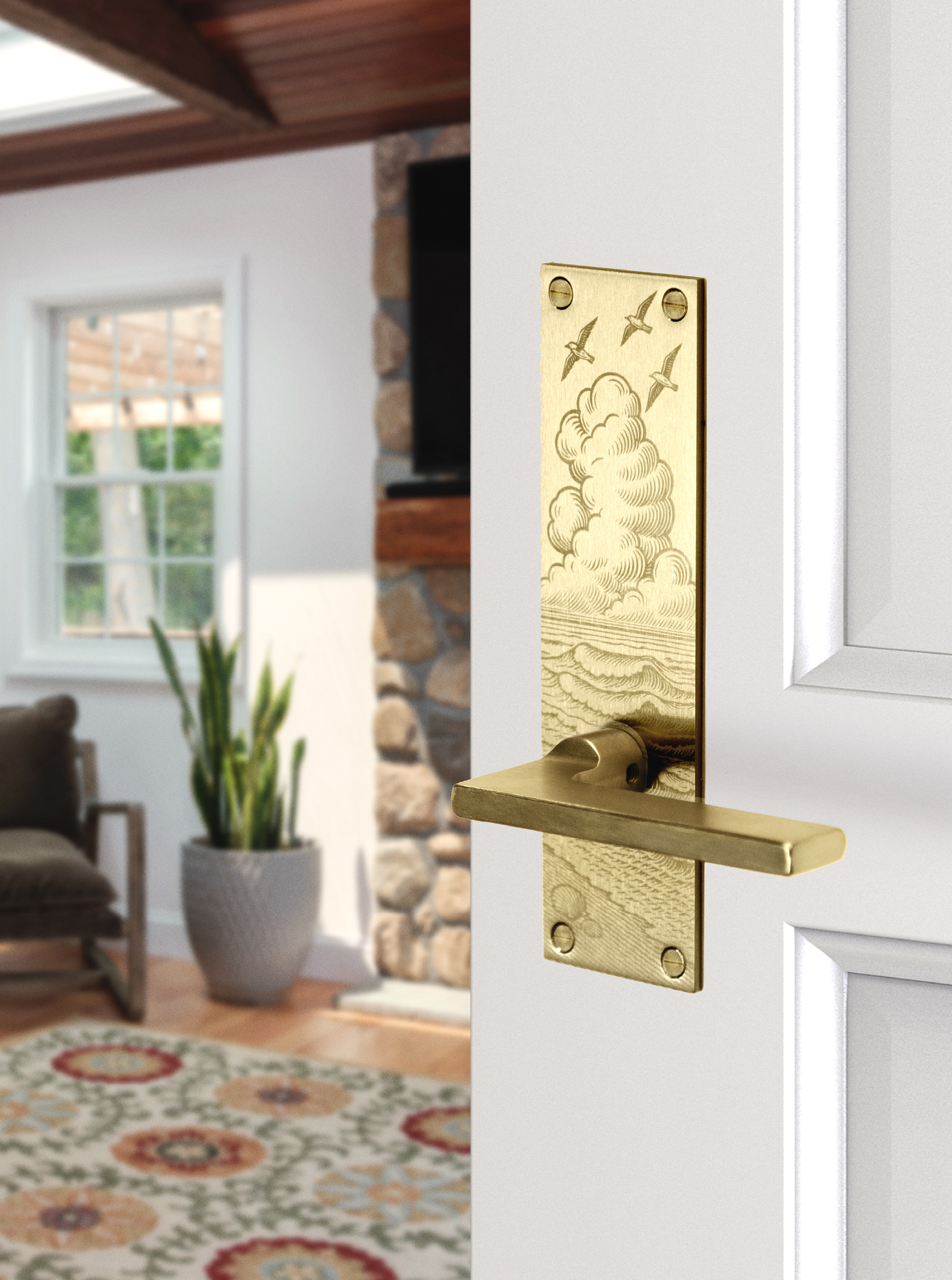
Working with Accurate Lock and Hardware, a company specializing in ligature resistant door hardware for hospital and behavioral health settings, she developed a collection that overlays nature imagery and fractal patterns onto safety compliant fixtures. The idea was to bring the calming, restorative qualities of biophilic design into institutional environments that are typically sterile and austere, not just for patients but also for the staff who experience burnout in those settings, and for the families of those receiving care.
The collection won the Nightingale Gold Award at the 2025 Healthcare Design Conference and Expo, one of the most recognized honors in healthcare design. It has since been featured extensively in Healthcare Design magazine, debuted as a leading example of biophilic design at HKS architecture offices across Dallas, New York, and Los Angeles during Earth Day events, and is being published in the second edition of Nature Inside: A Biophilic Design Guide by Bill Browning and Catie Ryan of Terrapin Bright Green, widely considered the definitive resource on biophilic design principles.
The hardware collection is also currently expanding beyond healthcare into residential and commercial spaces, with new pieces expected in the coming months.
A Rug Collection Rooted in Nature
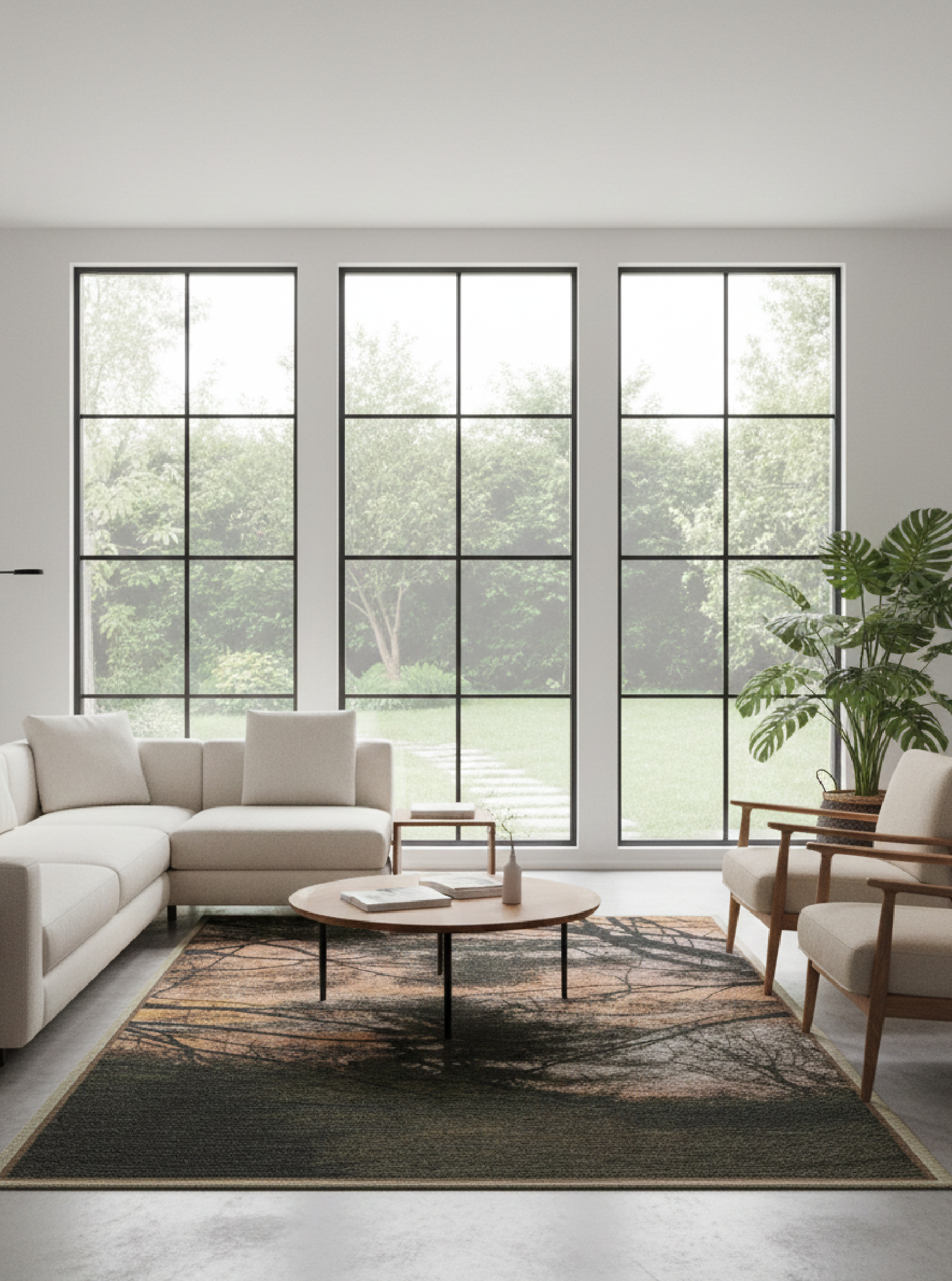
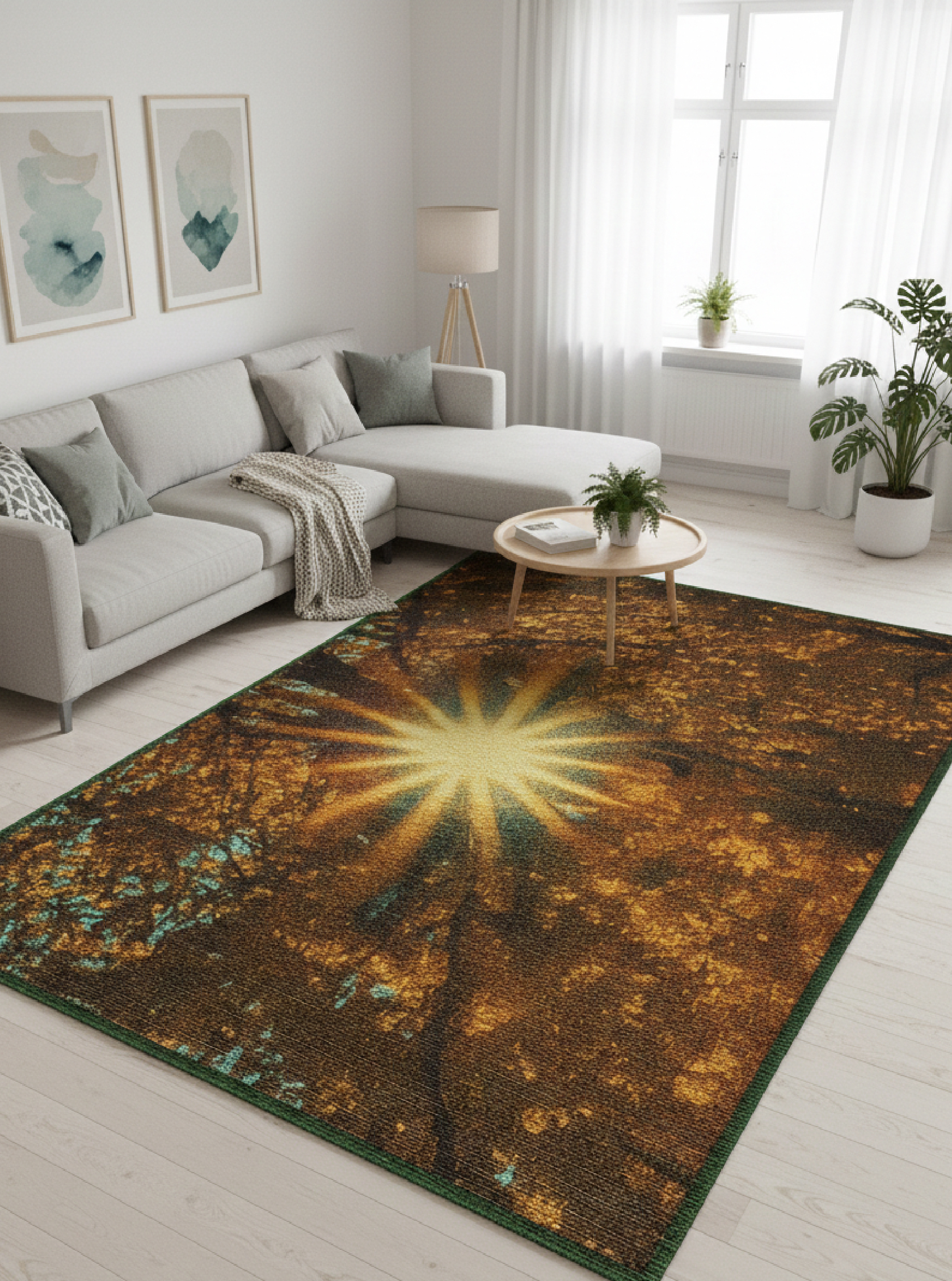
That same philosophy of bringing nature indoors carried into a rug collection developed in partnership with Ruggle Up. Each piece in the collection is designed around imagery drawn directly from the natural world: forests with trees and branches, water scenes with tree reflections, and light filtering through canopy, all incorporating the fractal patterns that appear throughout nature and that research has shown have a measurable calming effect on the nervous system.
The collection translates the same principles behind her interior design work and her hardware collaboration into an accessible product that can be brought into any home. For Lichtenstein, each rug is not simply a decorative object. It is a way to introduce the biological benefits of nature connection into everyday living spaces.
A Mission That Continues to Grow
While awards and recognition have marked important milestones, Lichtenstein says her greatest accomplishment is seeing how design affects the people who experience it.
Whether working with homeowners, healthcare professionals, or product manufacturers, the goal remains the same: creating environments that help people feel calmer, healthier, and more connected.
“I think the important thing is to create experiences where people can feel it for themselves.”
She believes the growing interest in healthy homes, neuroscience, and biophilic design signals a larger shift within the industry, one that will continue shaping the future of interior design.
“There’s no turning back.”
For Lichtenstein, that future begins with a simple idea: when people experience the difference a thoughtfully designed environment can make, they begin to understand that great design is not only something they see, but something they feel.