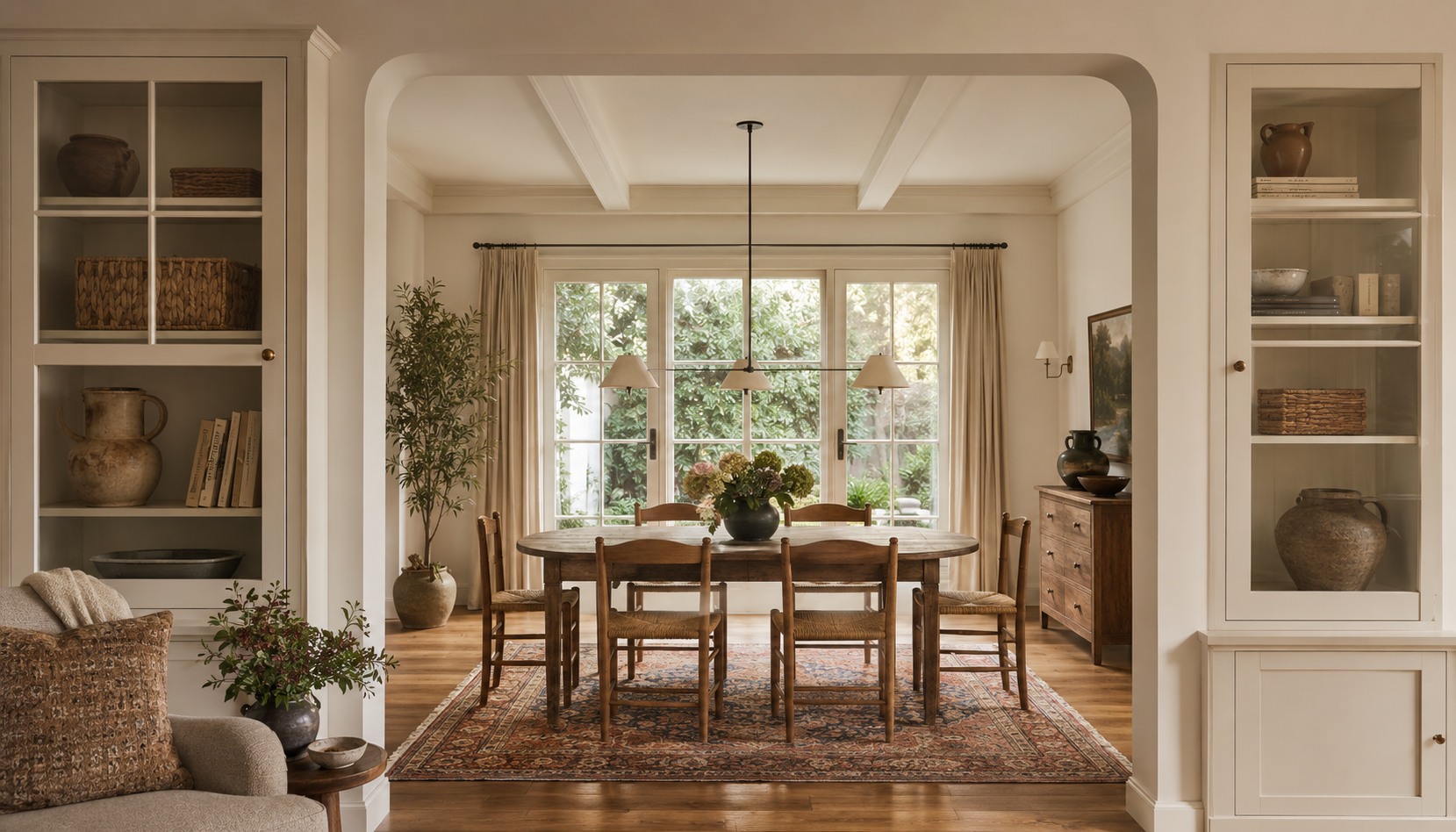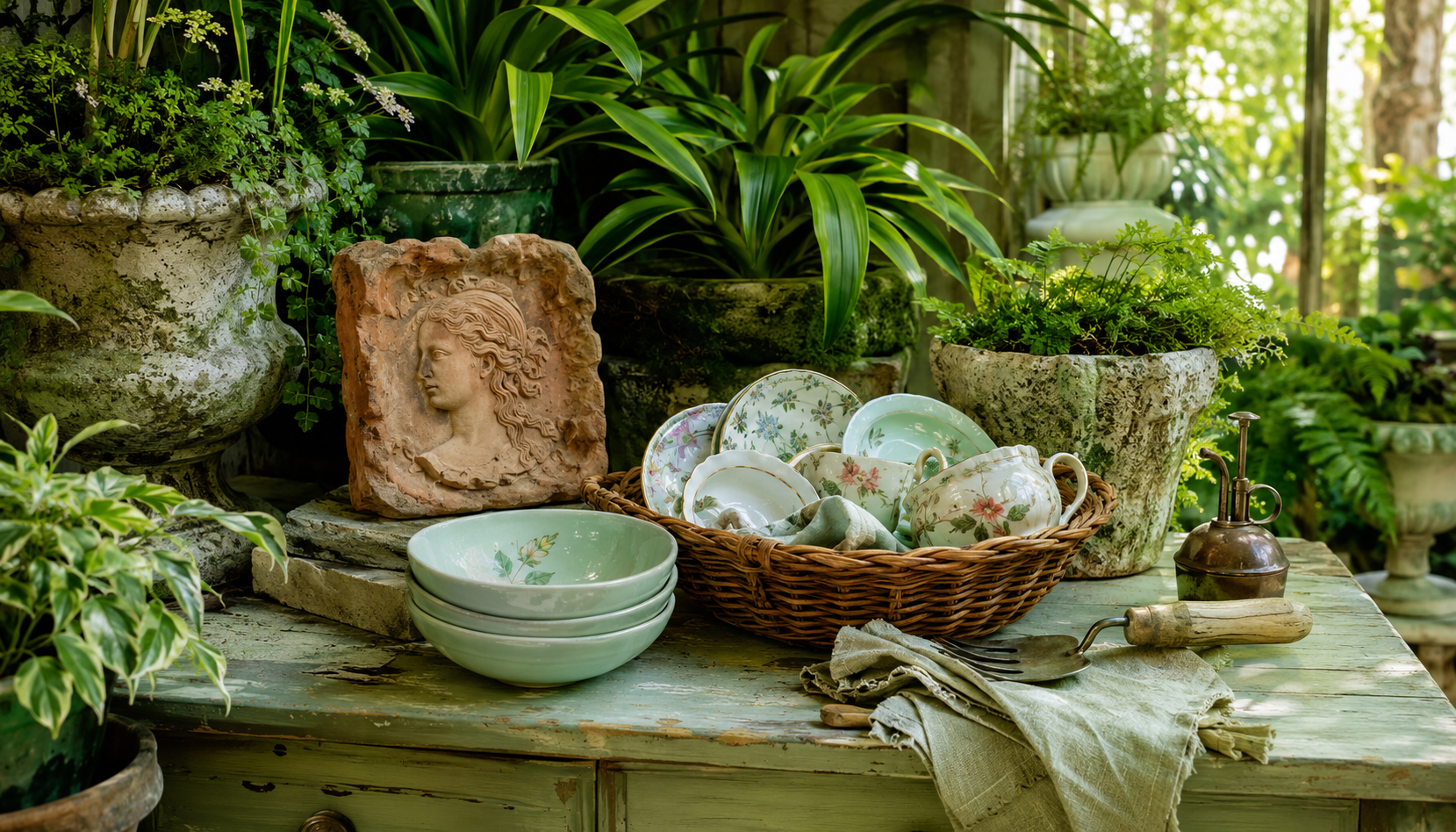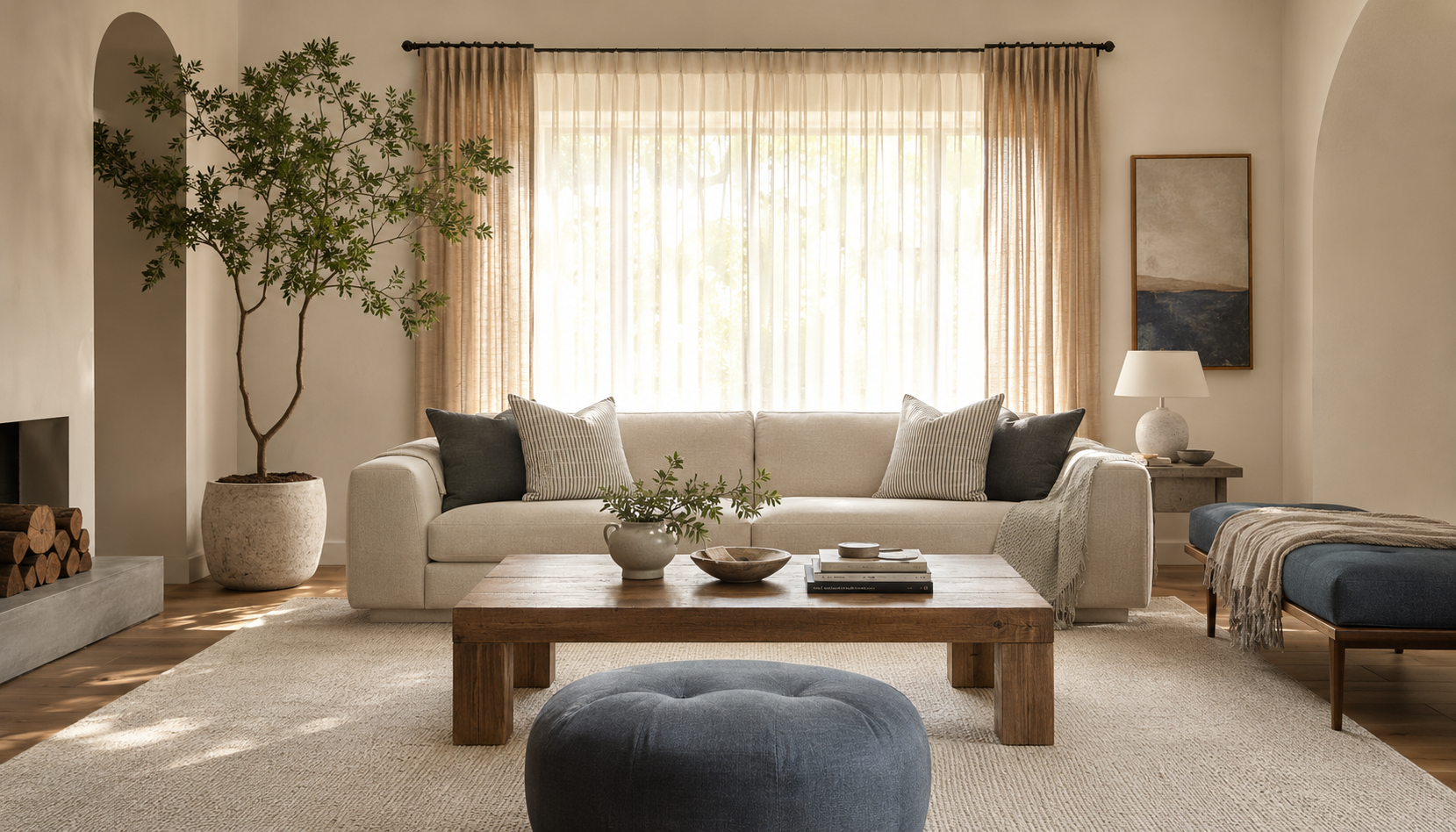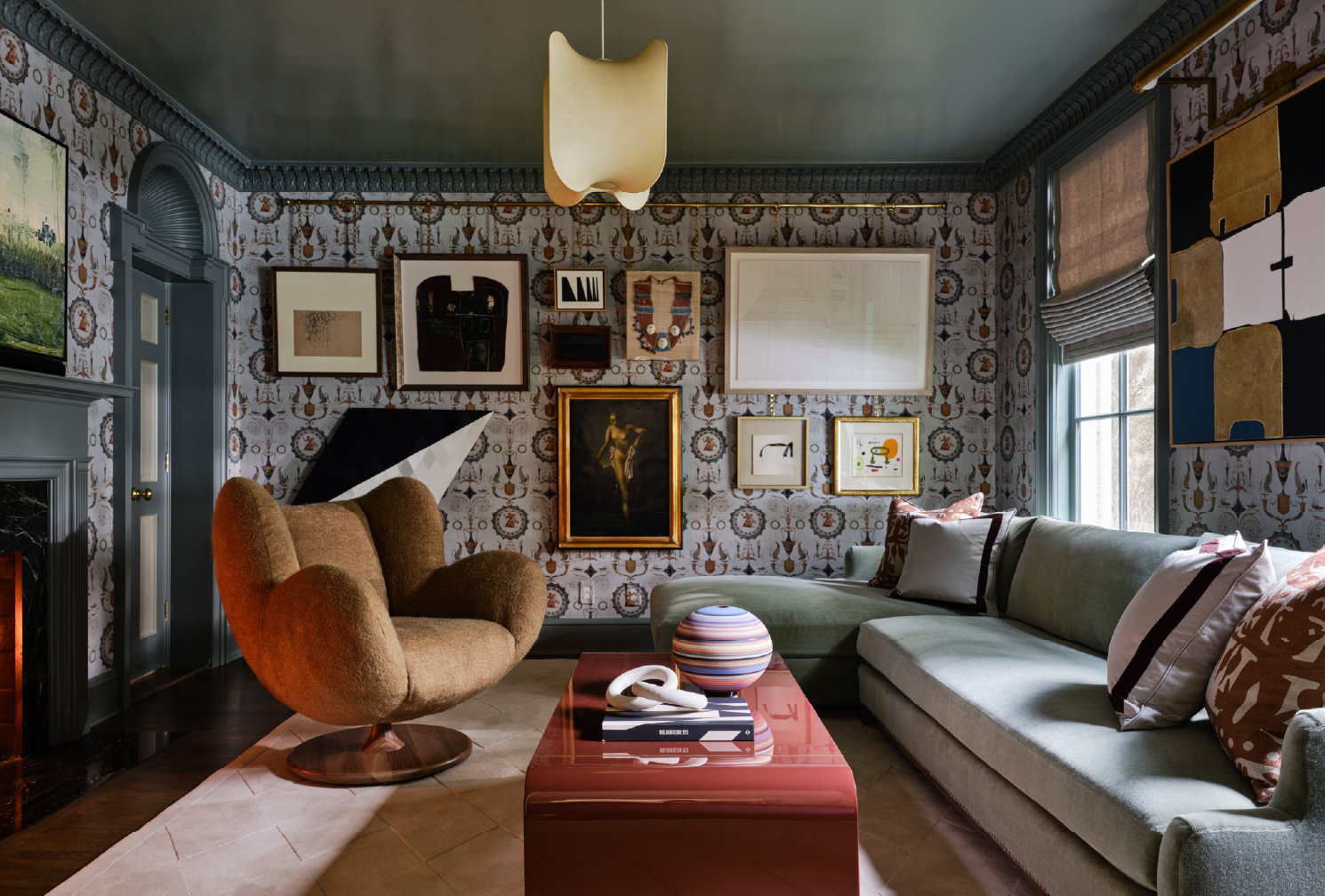
Studio Dixon Rye did not emerge overnight. It is the result of more than a decade of building two parallel ideas, a retail destination and a design studio, and eventually bringing them together into a single identity. What began as a careful separation evolved into a unified practice that reflects both Bradley and Peter Huesemann-Odom, their shared vision, and the way they approach creativity as a whole.
From Two Entities to One Studio
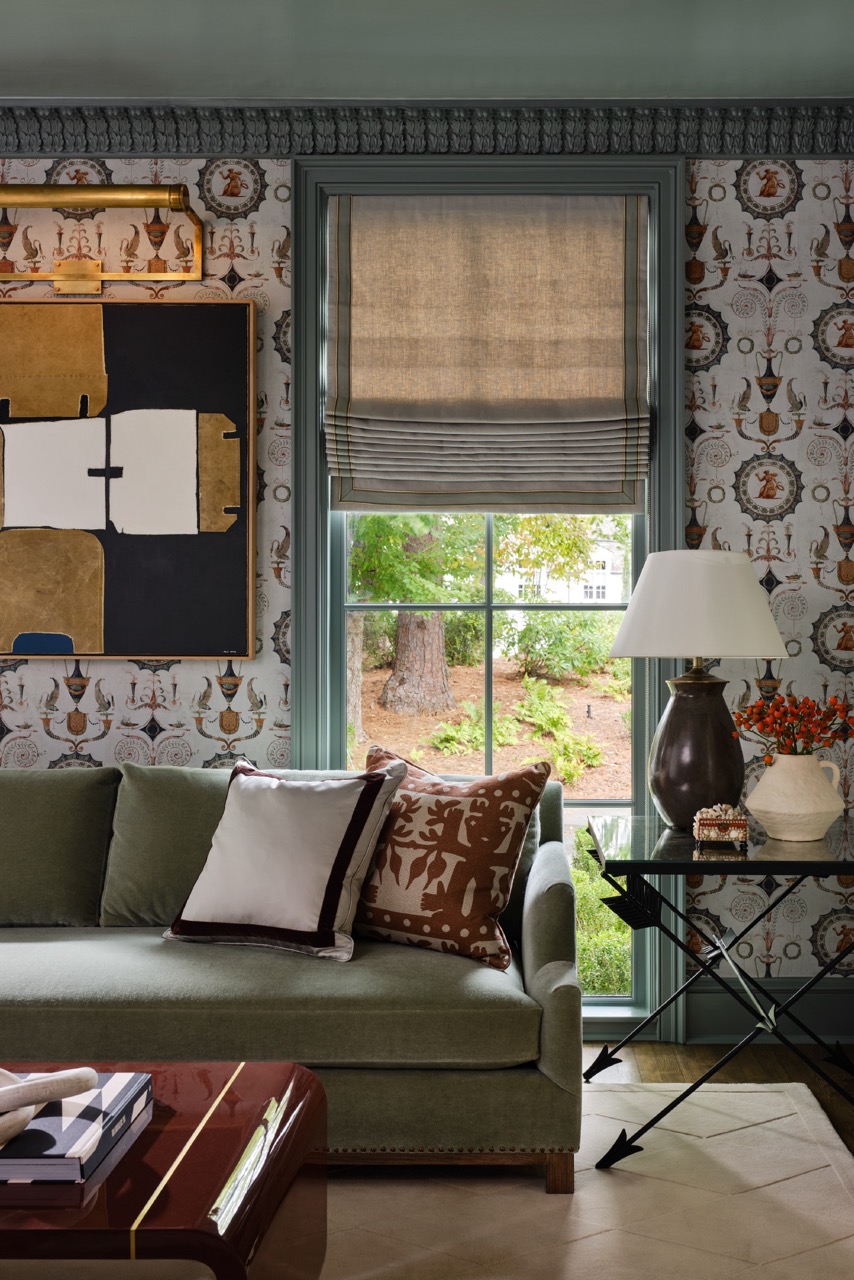
For years, Bradley Odom Interiors and Dixon Rye operated side by side. One focused on interior design services, the other on retail. The separation was intentional, shaped by a sensitivity to the local design community and a desire not to compete directly with other designers.
That changed when timing, experience, and partnership aligned.
“I think it’s been just a long time coming,” Bradley explains. “We’ve always had both… but when Peter went back to school and started working with us more full time, it felt like it should be a little more equal.”
When their lease came up, the decision was made to move, rebrand, and consolidate everything under Studio Dixon Rye. The transition was not gradual. It was a full reset.
“We were like, let’s just peel the band aid off… move locations, get a new POS system, launch a new website, retire Bradley Odom, and now call it Studio Dixon Rye.”
A Business That Operates Like a Creative Agency
At its core, Studio Dixon Rye is not divided between retail and design. It operates as a single creative ecosystem where everything is interconnected.
“When people come to work at Dixon Rye, they’re really coming to work for a creative agency,” Bradley says. “Whether it’s the retail store, whether it’s the design office, it’s creativity in everything that we’re doing.”
That mindset allows the studio to move fluidly between projects. One day might involve designing an upholstery collection for the store, while another is focused on a residential layout or sourcing for a client.
An example of this overlap is their current upholstery line, developed within the design studio but intended for the retail space. It is a clear reflection of how both sides of the business rely on each other.
Navigating Complexity Through Team and Trust
Balancing two revenue streams is not simple. The studio relies heavily on its team and on a clear division of strengths between Bradley and Peter.
“I would say it’s definitely more complicated,” Bradley admits. “But we have a really strong team… and then it’s also playing on our strengths. There’s things that Peter’s really great at and things I’m really great at.”
Their daily structure reflects that balance. Each morning begins with a full team huddle that brings together both the retail and design sides of the business. From there, the day unfolds in a constant shift between priorities.
“You don’t really know what your day is going to look like,” Peter says. “You can make the best schedule, but it’s never going to end up how you think.”
Designing Through Contrast and Shared Values
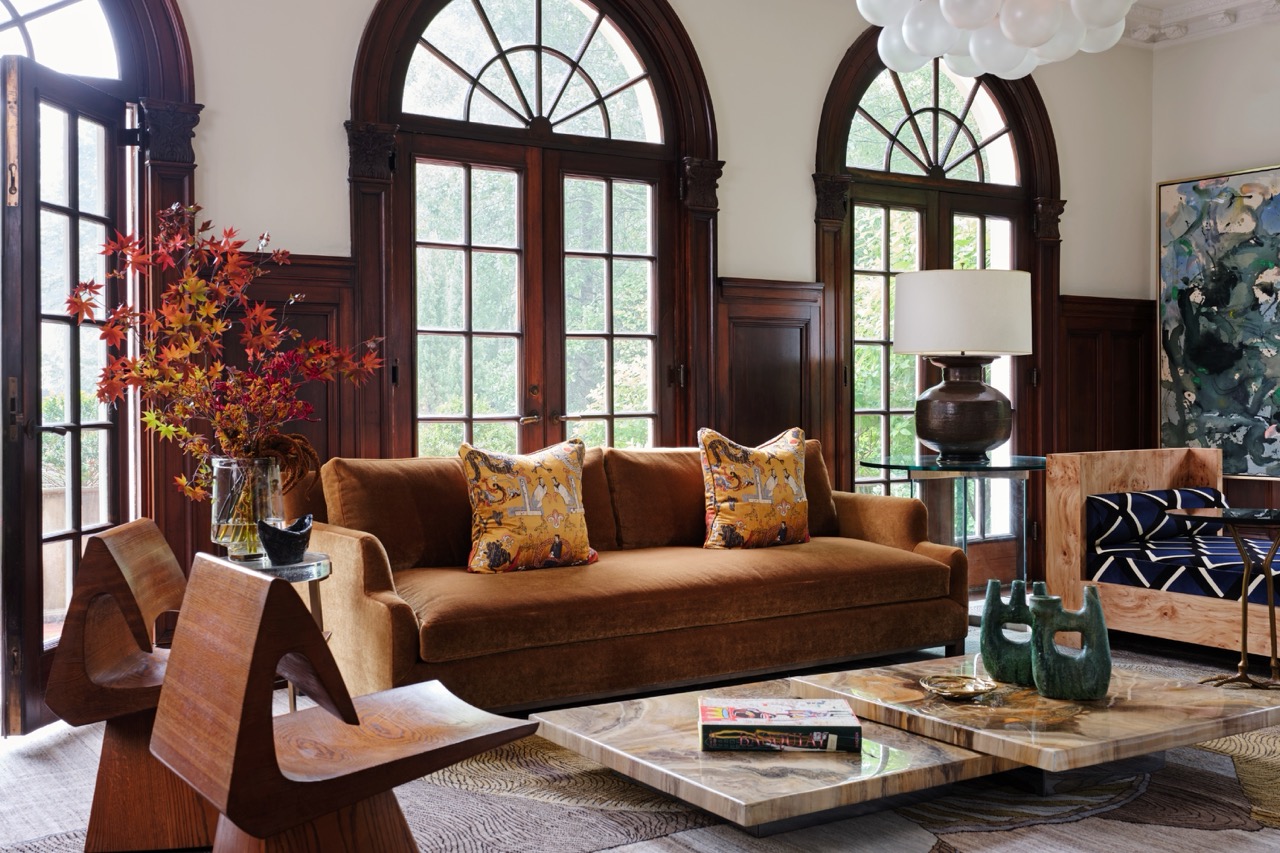
Bradley and Peter come from very different backgrounds, one rooted in Mississippi, the other in Europe. Their sensibilities reflect that contrast, with one leaning more maximal and the other more minimal. Yet their work is unified by shared values.
“What we like is things we love, things that are not precious, things that are somewhat humble, things that have a story,” Bradley explains.
That foundation allows them to mix influences without losing coherence. Craftsmanship, materiality, and an understanding of how things are made remain central to their approach.
This balance is also what allows them to resist labels.
“We get people who ask, are you traditional or are you modern,” Bradley says. “And I’m like, yes, we are all of those things.”
Inspiration Beyond Interiors
For both Bradley and Peter, inspiration rarely comes from interior design alone. Instead, it is drawn from a broader cultural landscape that includes fashion, art, food, and travel.
Fashion plays a major role, with designers like JW Anderson and Daniel Roseberry serving as references for how heritage can be reinterpreted. Art is equally important, from gallery visits in Atlanta to traveling to see artists’ work in person.
Even everyday experiences become part of the creative process.
“We were in Antwerp and someone mentioned this guy who makes glass in his garage,” Bradley recalls. “The next morning we were in an Uber… and we were like, we will take them all.”
Food and hospitality also shape their perspective, influencing everything from entertaining at home to how a retail space feels.
“It’s this constant consciousness or awareness of what’s happening around you,” Peter says.
Avoiding Burnout While Building Momentum
Running a studio, a store, and a growing brand comes with intensity. Both acknowledge that burnout is real, but they approach it with awareness and discipline.
“I think we definitely burn out,” Bradley says. “But it’s knowing what your limit is.”
Their approach includes stepping away when needed, whether that means a quick trip out of town or simply creating space to reset. Returning with fresh perspective allows them to reassess their work and continue raising their standards.
They also emphasize the importance of their team, not just operationally, but as part of a shared sense of success.
“It’s very important to us that everyone feels successful,” Bradley says. “That it’s not just a job for them.”
Evolving the Conversation of Design
At the center of Studio Dixon Rye is a commitment to pushing beyond expectations. Whether through space planning, product development, or curation, the goal is to keep the work evolving.
“I always want to be evolving the conversation of design,” Bradley says.
That mindset carries through everything they do, from rethinking traditional layouts to building a brand that blends retail, interiors, and product design into one cohesive vision.
Peter Huesemann Odom – Profile