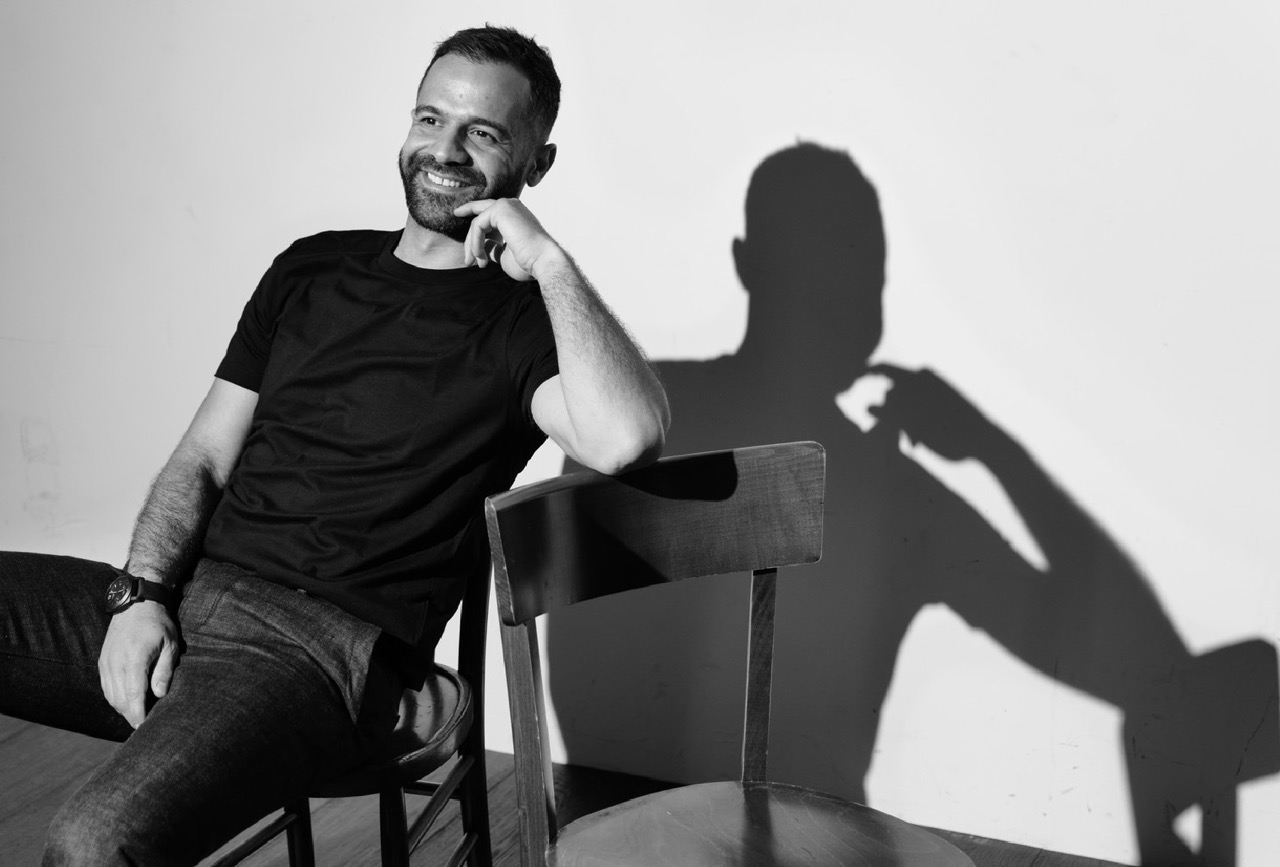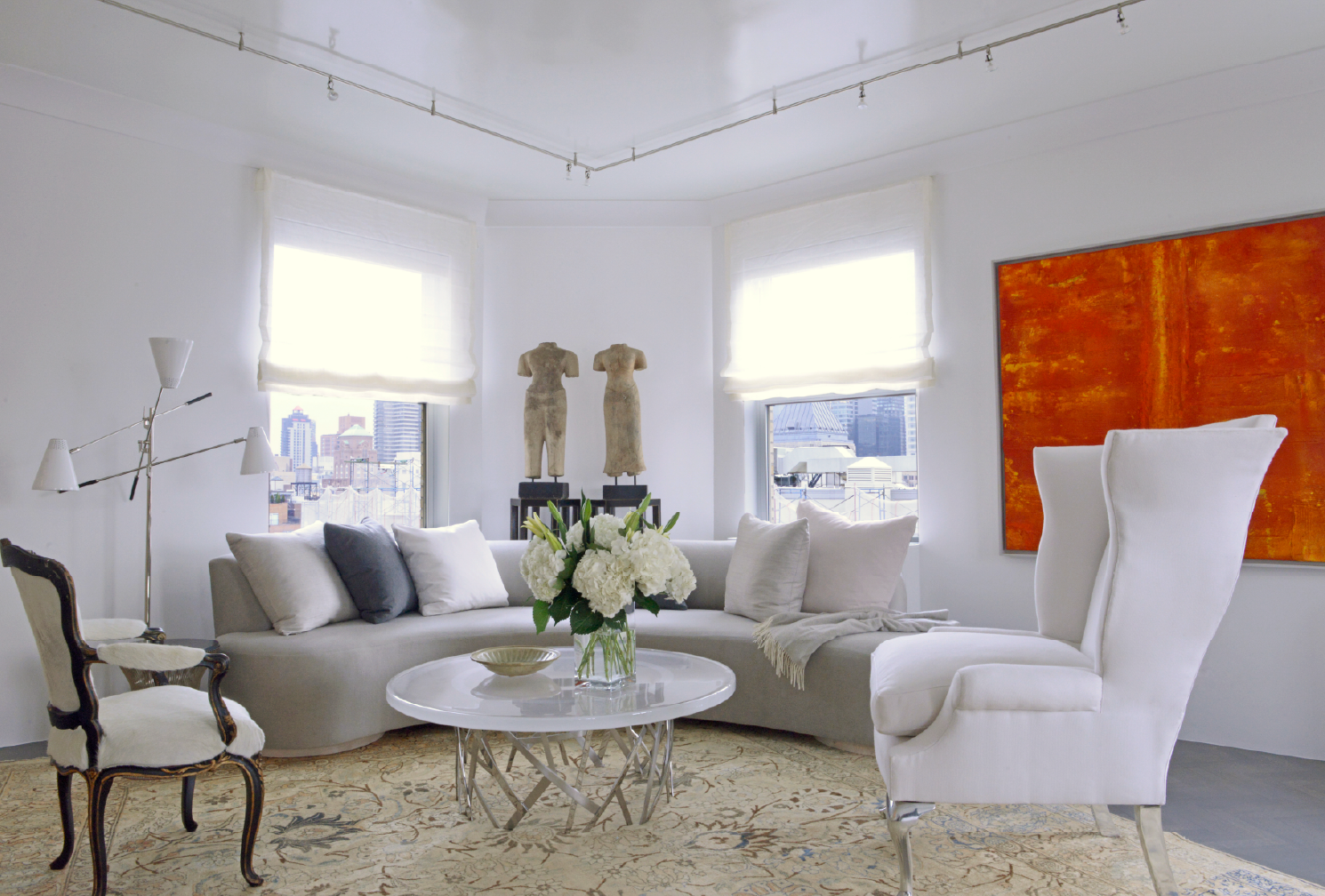
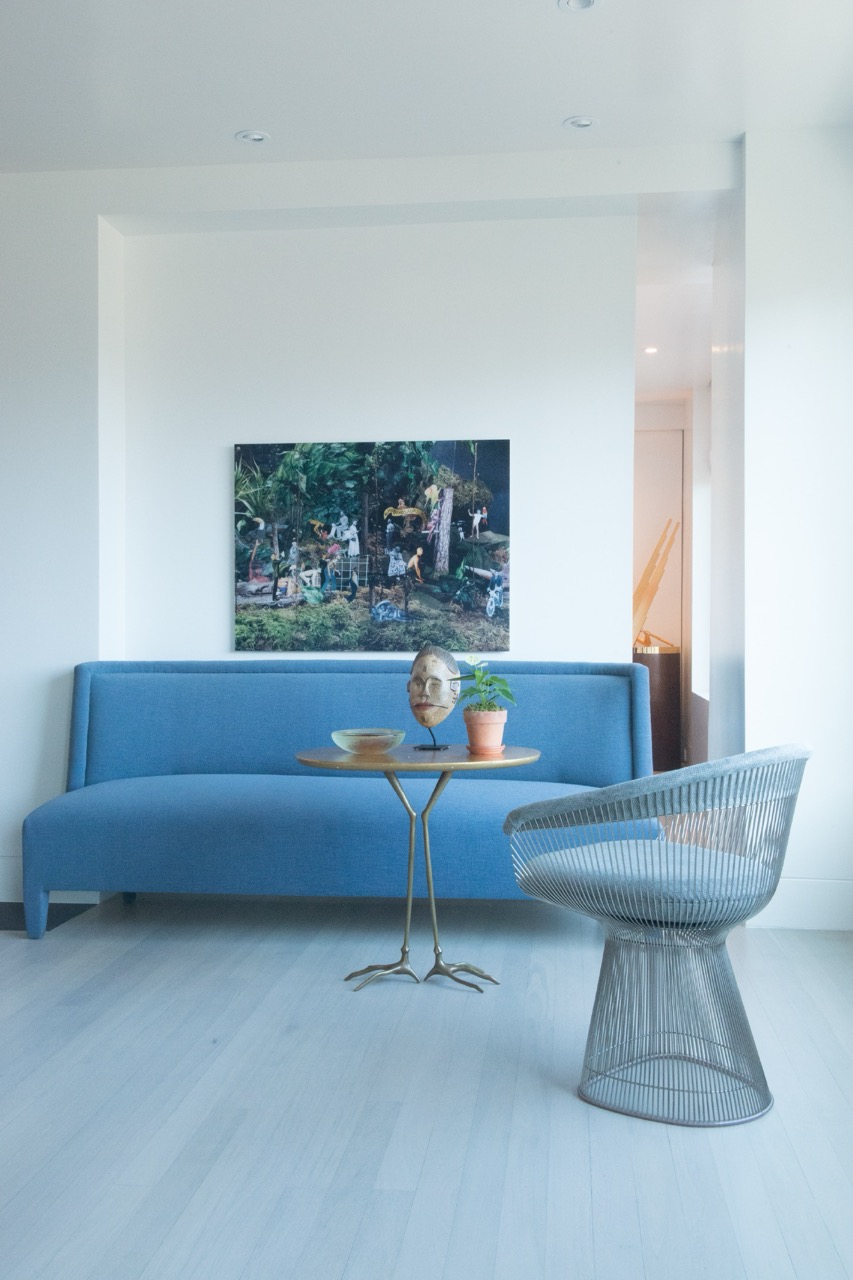
Vicente Wolf’s approach to design is shaped by instinct, observation, and a deeply developed sense of space. His work reflects a career built through experience rather than convention, guided by curiosity, cultural perspective, and an ability to fully envision environments before they are realized.
A Path Shaped Through Experience
Wolf did not begin his career with the intention of becoming a designer. In his early professional life, he explored different roles, including work related to merchandising and retail layouts. It was through that experience that someone suggested he consider design more seriously.
What followed was a recognition of his ability to understand space in a complete way. He could visualize how a room would function, how layers would come together, and how atmosphere could be shaped.
Rather than following a traditional educational path, his perspective was developed through time spent in museums, extensive travel, reading, and continuous observation. That process allowed his natural way of seeing space to evolve into a distinct approach that would later gain recognition within the design community.
Designing Without Constraints
Wolf’s philosophy is rooted in freedom from limitation. His work is guided by instinct and decision making refined over time, rather than by rigid frameworks.
Clients who come to him understand that approach. They trust his perspective and allow him to lead, which enables a wide range of work across different project types and environments.
This mindset extends beyond design into how he approaches challenges. Despite describing himself as dyslexic, he has written multiple books, reinforcing the idea that perceived limitations do not need to define outcomes.
Heritage as Part of the Work
Wolf’s Cuban heritage plays an important role in how he understands his work and his identity. It is not treated as a separate influence, but as something embedded in his perspective.
Having immigrated to the United States at a young age during a period of political change, that background informs how he relates to place, culture, and the meaning behind design decisions.
Rather than being explicitly expressed in every project, it exists as an underlying layer that shapes how he approaches his work.
Inspiration Without Interruption
For Wolf, inspiration is constant. It does not come from a single source or require a specific setting. Daily life, travel, museums, and ordinary experiences all offer opportunities to observe and absorb.
He does not describe experiencing creative burnout. The belief is simple. If everything around you has the potential to inspire, then the opportunity to create is always present.
That mindset removes the need to search for ideas and replaces it with an ongoing awareness of the world.
Protecting the Role of the Designer
Wolf reflects on shifts within the industry, particularly the increasing influence of external decision making early in the design process. He believes design is most effective when the designer is allowed to lead creatively, with the client acting as a collaborative partner.
When that balance shifts, projects can become constrained before ideas have time to develop. In his view, this limits the ability for design to reach its full potential.
A Body of Work Defined Over Time
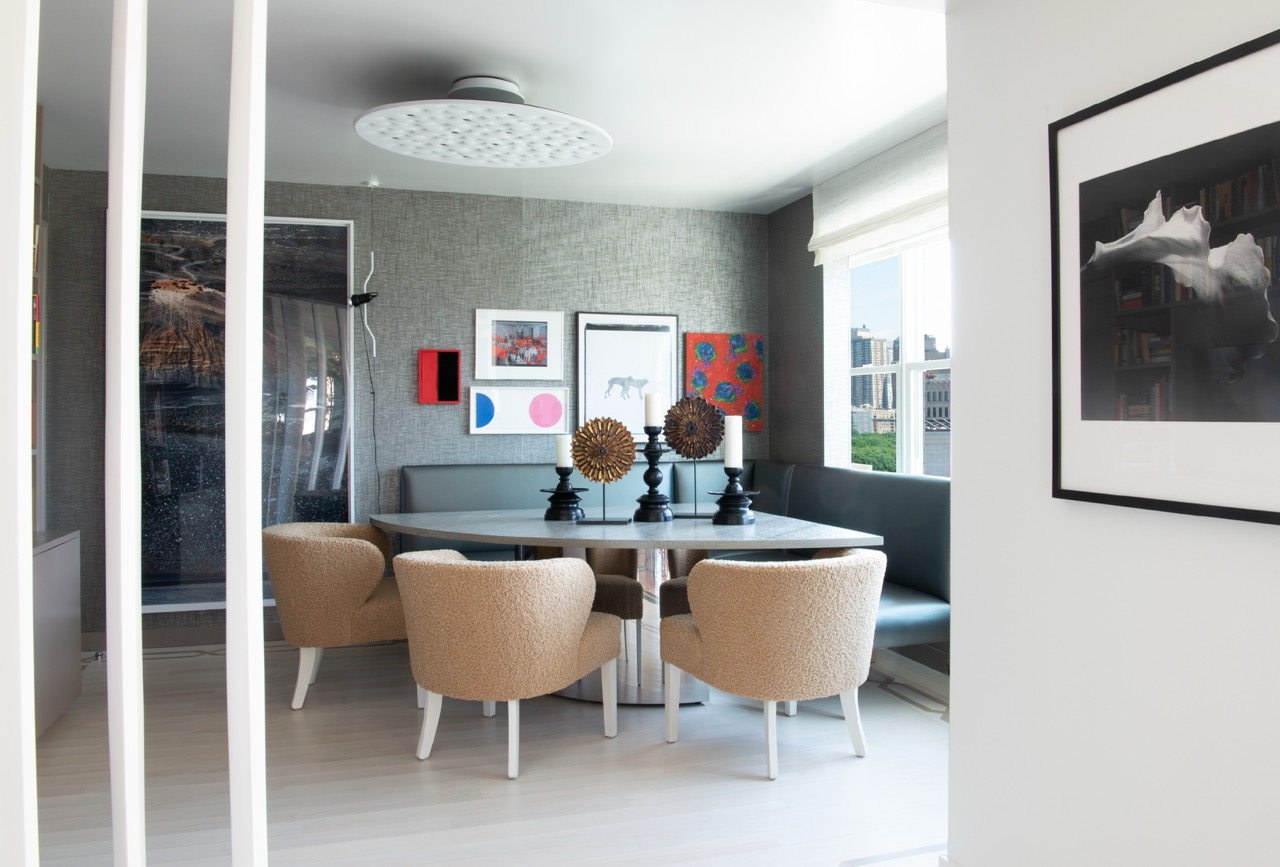
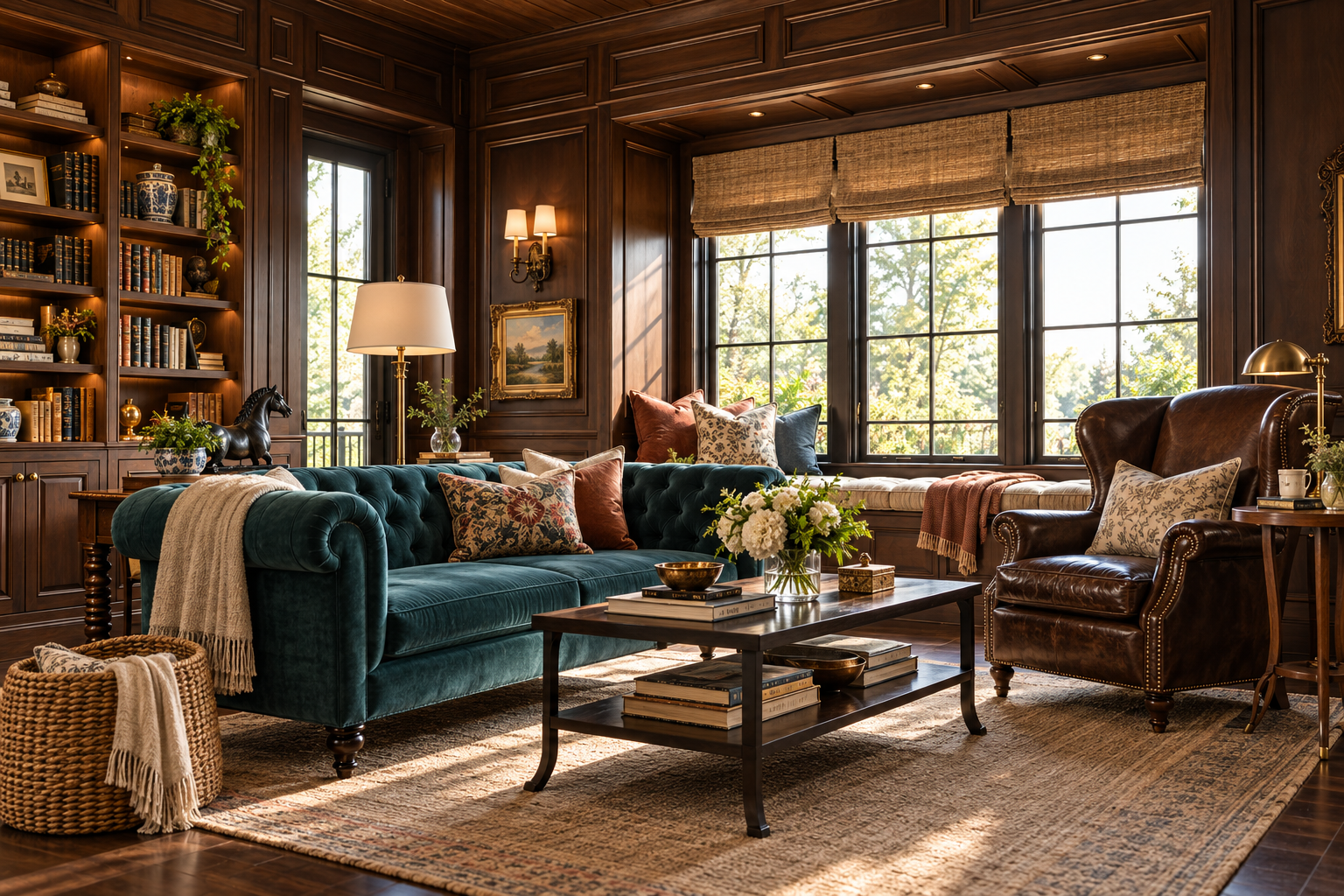
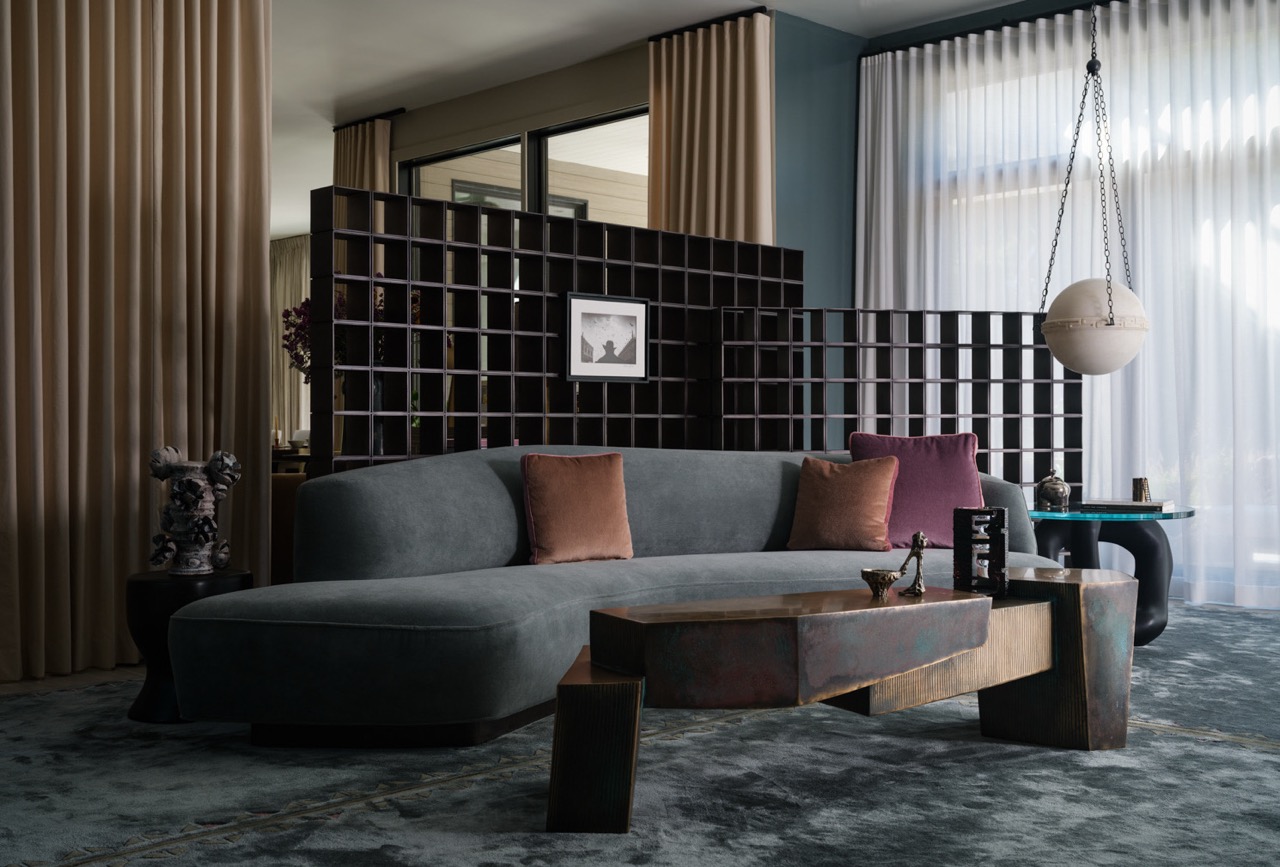
Each project Wolf undertakes is approached individually, shaped by its own context and requirements. There is no fixed formula applied across his work.
At the same time, when viewed as a whole, his portfolio reveals a consistent thread. That clarity of vision has contributed to sustained recognition in both press and professional circles, even as each project begins from a different place.
That balance between individuality and cohesion defines his body of work.