Background
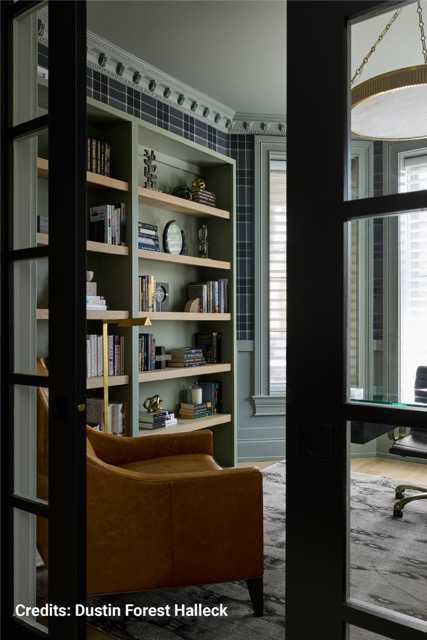
Mark Schubert is the founder of M2 Design Lab, a residential design practice based in Chicago. His path into interior design was not linear, beginning in marketing and event work before transitioning into interiors after recognizing a strong interest in creating spaces and environments.
That shift happened after working on events, where the process of building a space stood out more than the temporary nature of the work. Wanting to move into something more lasting, he explored interior design and quickly committed to the field, applying to graduate school within a short period.
Early in his career, he gained experience working on hospitality projects, including hotels and restaurants, before deciding to focus on residential design, where he found a stronger connection to how people live and use their spaces.
Before becoming M2 Design Lab, the studio operated under the name Phillip Harrison Interiors. The name was based on middle names, but over time it created confusion for clients. As the business evolved and a partner joined, the decision was made to rebrand, establishing M2 Design Lab as the current identity of the practice.
Approach
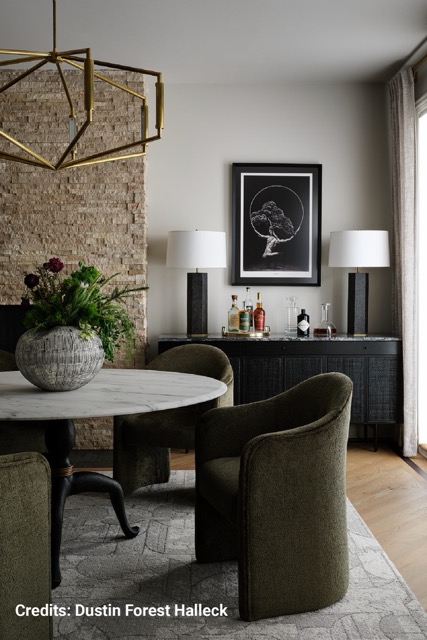
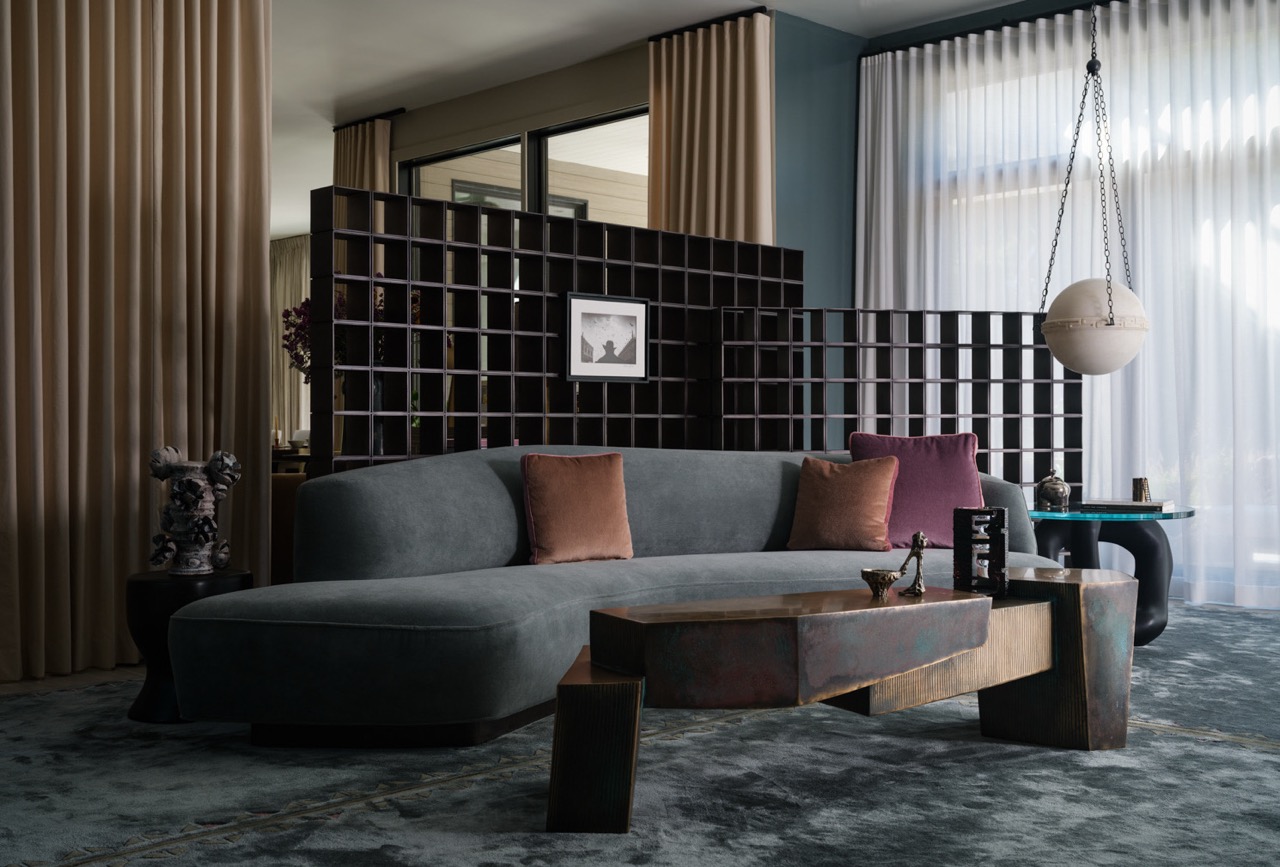
Schubert’s work is grounded in functionality, space planning, and understanding how a home needs to perform on a daily basis. Rather than starting with aesthetics, his process begins with how a space is used, identifying what is not working and what needs to change.
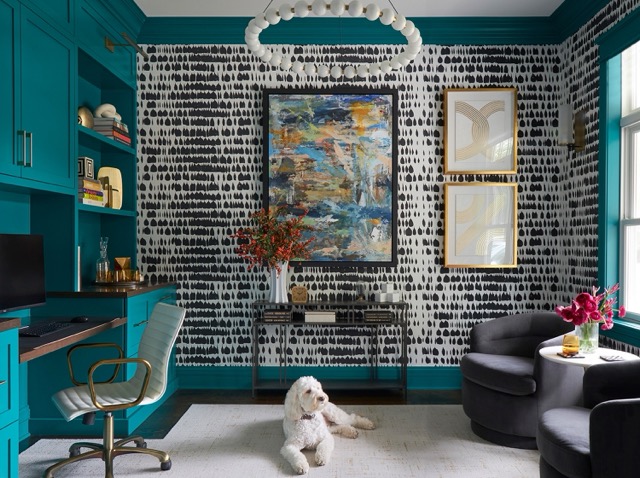
He works closely with clients to build designs around their routines, preferences, and long term needs. This often includes incorporating personal elements such as color, pattern, artwork, and cultural references, ensuring that each space reflects the people living in it.
Listening plays a central role in his process. By understanding how clients live and what matters to them, he is able to create environments that feel both practical and personal.
Beyond Design
In addition to the design work itself, Schubert is deeply involved in the operational side of running a studio. Much of his time is spent coordinating with contractors, vendors, and project teams, as well as managing communication and problem solving throughout the process.
He approaches this as a key part of the service, resolving challenges as they arise and keeping projects moving forward without placing that burden on the client.
A significant milestone in his career was opening a dedicated studio space after years of working from home. The space provides both a functional workspace and a visible presence within the local community, allowing for more direct engagement with clients.
Looking ahead, Schubert is focused on continuing to grow the practice, expanding into new markets, and building stronger connections within the communities he works in.