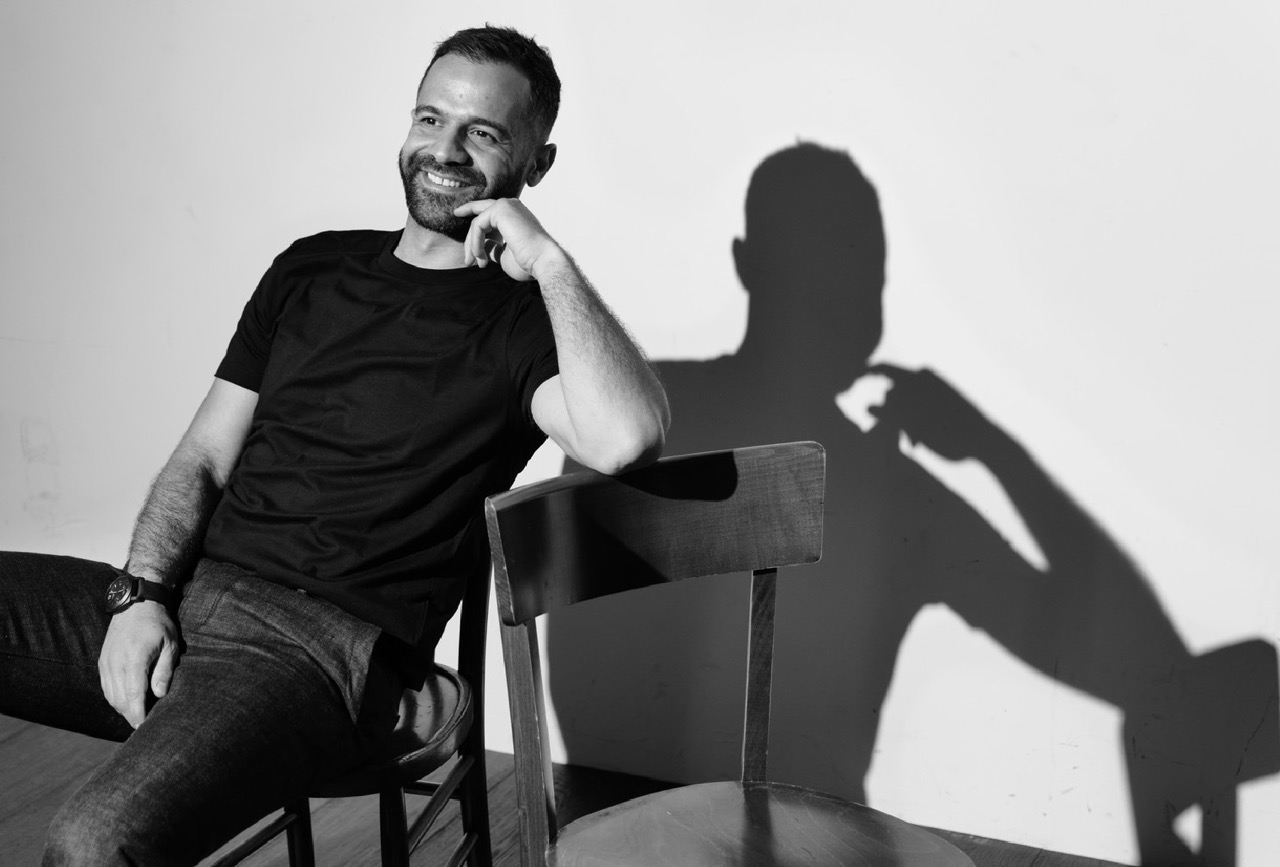
Design for Mark Schubert is rooted in how people actually live. It is not about surface decisions or following trends, but about understanding what a space needs to do, how it functions, and how it supports everyday routines over time.
That perspective comes from a path that was not planned, but gradually shaped through experience, observation, and a willingness to take risks.
Finding design through experience
Interior design was not the original direction. Schubert began in marketing and event work, where he first started thinking about space in a more intentional way.
“You really do enjoy creating the space, the environment.”
What stood out was not just the visual outcome, but the process of building an environment. At the same time, something about the work felt incomplete.
“It kind of sucks that we have to take it down every day… you don’t really get to really understand the accomplishments.”
That realization pushed him toward interiors, where the work could last and evolve with the people using it.
Designing beyond decoration
From the beginning, Schubert was drawn to the structural side of design rather than decoration.
“There’s a difference between design and decorating… you really get to work with the client on the space planning and the functionality.”
That distinction continues to guide his work today. Projects begin with layout, function, and understanding how a space needs to perform, with aesthetics built around those decisions.
“I can make any space beautiful… but functionality for me comes first.”
Designing around how people live
Residential work allows for a deeper level of impact, where design is tied directly to daily life. Schubert is especially drawn to projects that involve full homes or large scale renovations.
“I love doing whole homes… we really are touching every aspect of their life at that point.”
Each project starts with listening. What is working, what is not, and what needs to change all shape the direction of the design. This approach allows spaces to feel specific to the people living in them rather than following a fixed style.
Letting clients shape the outcome
Client input plays a central role in the process. Some arrive with clear ideas, others with just a few preferences, but the goal is always to build around their needs.
“They’ll say, I want a green sofa… and that’s where we start.”
From there, the design evolves through collaboration, balancing guidance with flexibility while keeping the overall vision cohesive.
Cultural references and personal background also influence decisions. Research and concept development help ensure that selections feel appropriate and aligned with each client’s perspective.
The work behind the scenes
While the finished spaces are what people see, much of the work happens out of view. Coordination, communication, and problem solving are constant throughout the process.
“The fun stuff is like 20% of what we do. The other 80% is all computer work, correspondence with contractors, vendors.”
That includes managing challenges as they arise and resolving them before they impact the client.
“If there’s an issue, you’re going to be the last person to know because we’re solving it.”
Building a business and taking risks
Starting his own firm was part of a broader mindset built on taking chances and learning through experience.
“Take the chance… you won’t know what you can achieve until you just try.”
That approach continues to shape how he runs the business, from how he values his time to how he structures projects and client relationships.
Over time, the practice has evolved, including the addition of a partner and the opening of a dedicated studio space, a milestone that marked a shift from working at home to creating a physical presence for the business.
Growing the practice
Today, the focus remains on residential design, with an interest in continuing to grow the studio and expand its reach.
Future plans include exploring opportunities in other cities and creating more ways to connect with the local community through the studio space.
At its core, the work remains consistent, designing spaces that function, reflect the people who live in them, and hold up over time.