Tina Ramchandani’s path into design did not begin with a clear plan. It began with uncertainty, followed by a moment of clarity sparked by feeling rather than strategy.
Finding direction through experience
After high school, Tina describes herself as unfocused. She attended a state college without a defined direction, knowing only that she needed to figure out what came next. The turning point came during a cousin’s wedding, when she walked into what she remembers as the most beautiful hotel she had ever seen. It was not simply the architecture, but the layers, the atmosphere, and the emotion of the space that stayed with her. She realized that what she wanted to create was not just decoration, but feeling.
Taking the leap without a plan
Starting her own studio was not a carefully orchestrated move. Tina admits she was “naive” about what it meant to run a business. What she did know was that she felt she had reached a ceiling at the firm where she was working. She loved the job, but growth felt limited. Rather than wait, she decided to try something new, believing the worst case scenario was simply returning to employment.
There was no formal business or marketing plan. Within months, however, two residential projects came her way, including a two year ground up construction home that gave her the foundation to continue. Looking back, her advice centers on listening to instinct. Not everyone’s path will look the same, but ignoring that inner voice rarely leads anywhere meaningful.
Defining contemporary, soulful minimalism
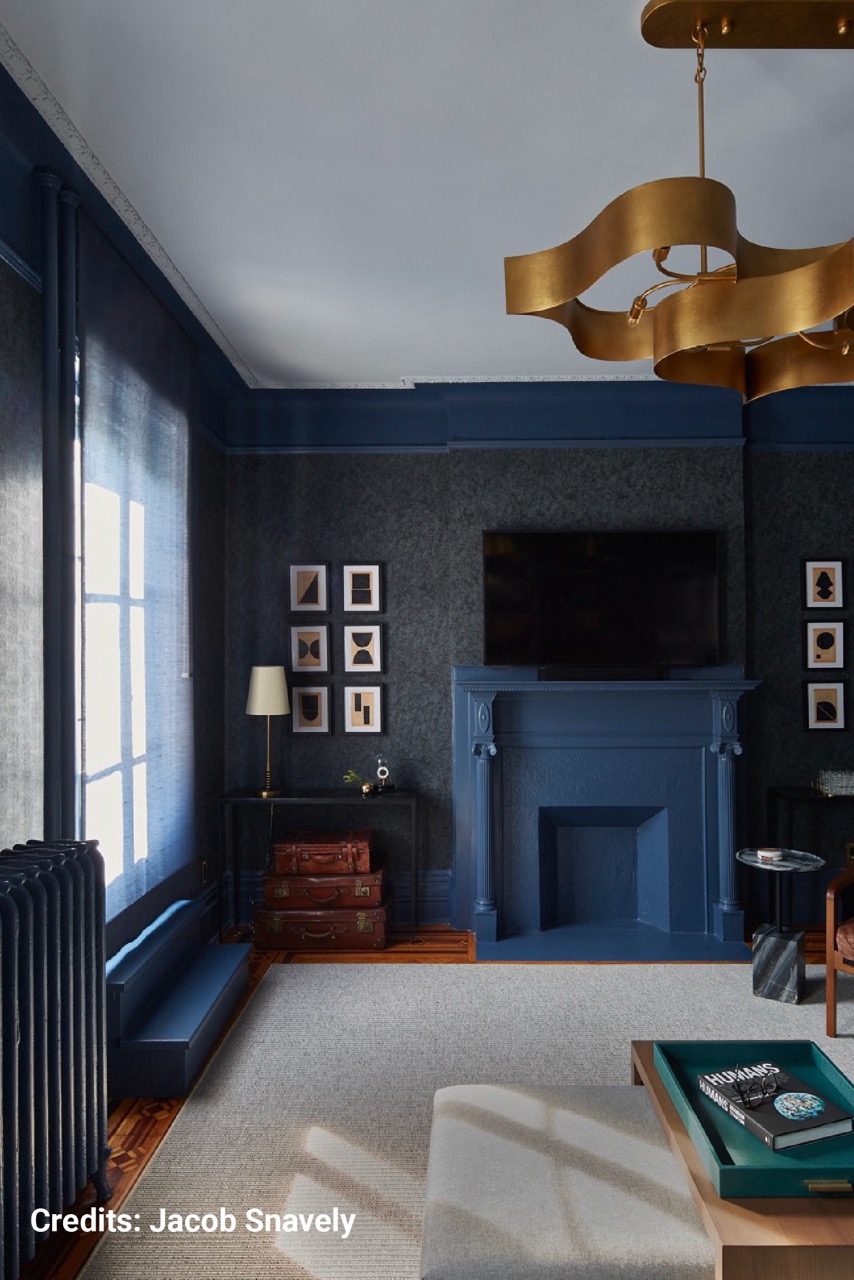
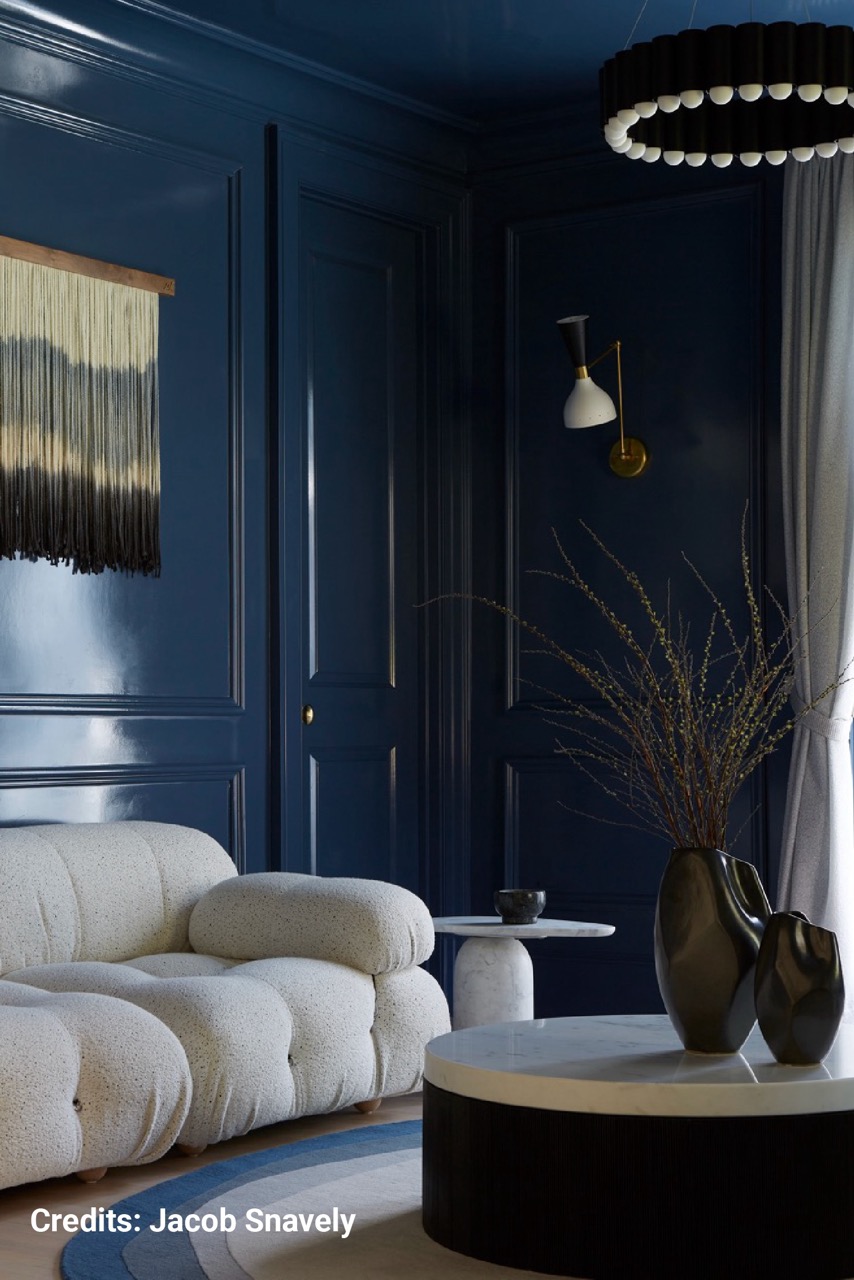
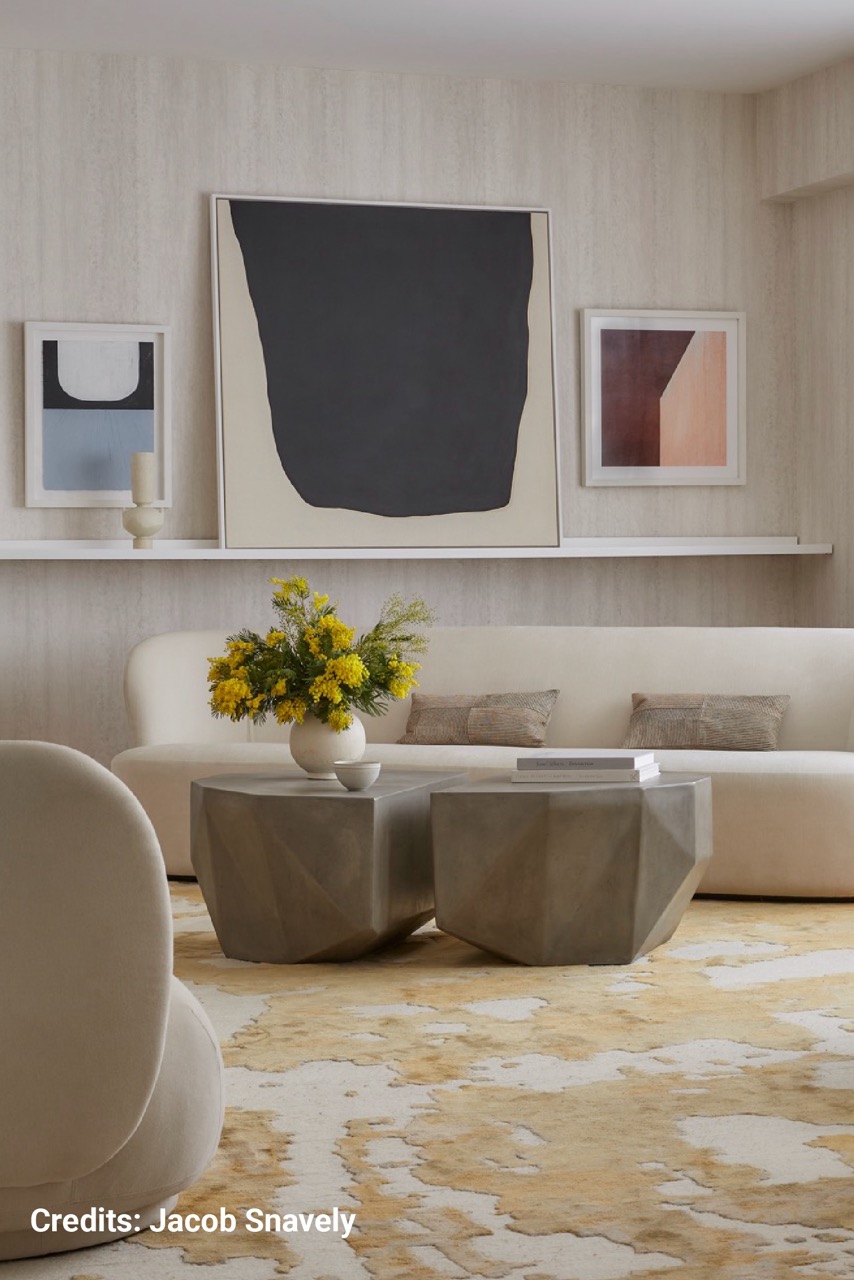
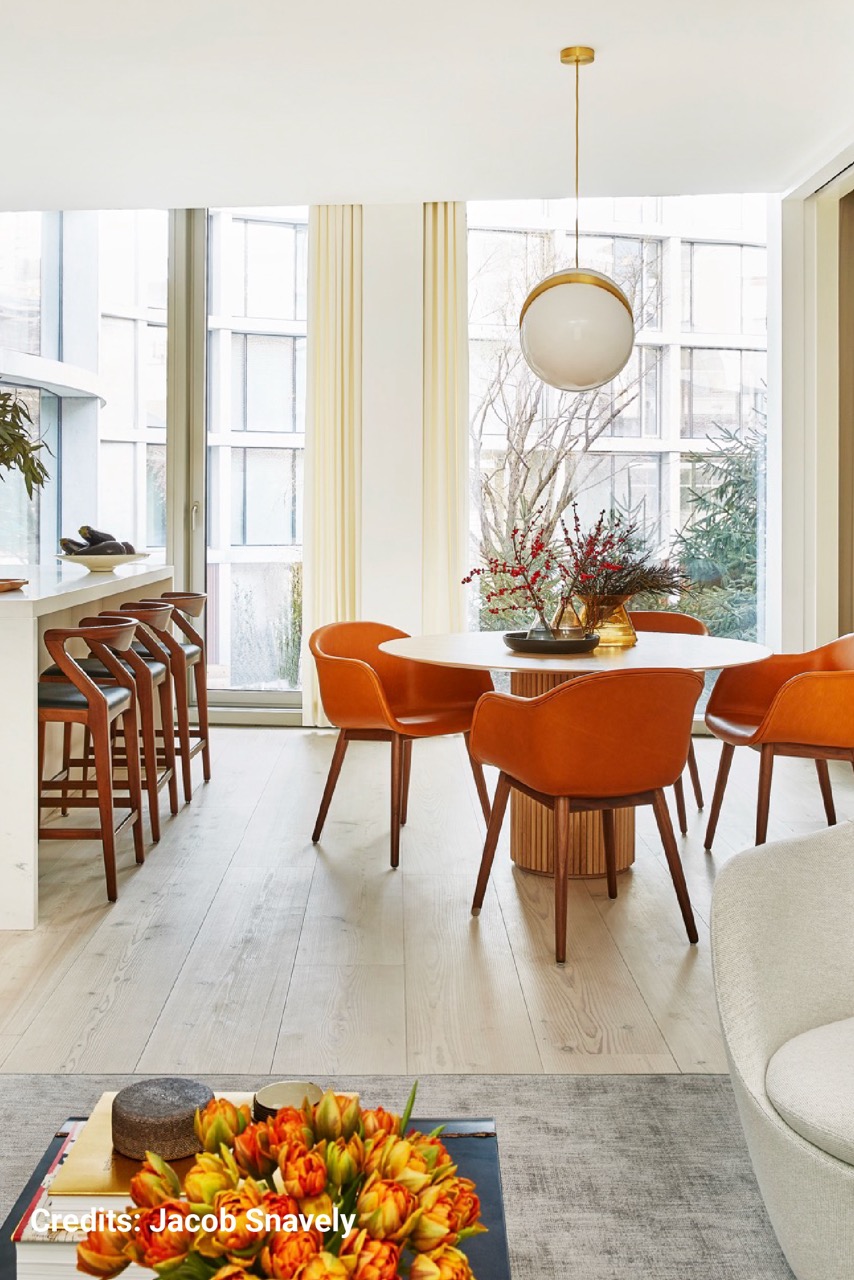
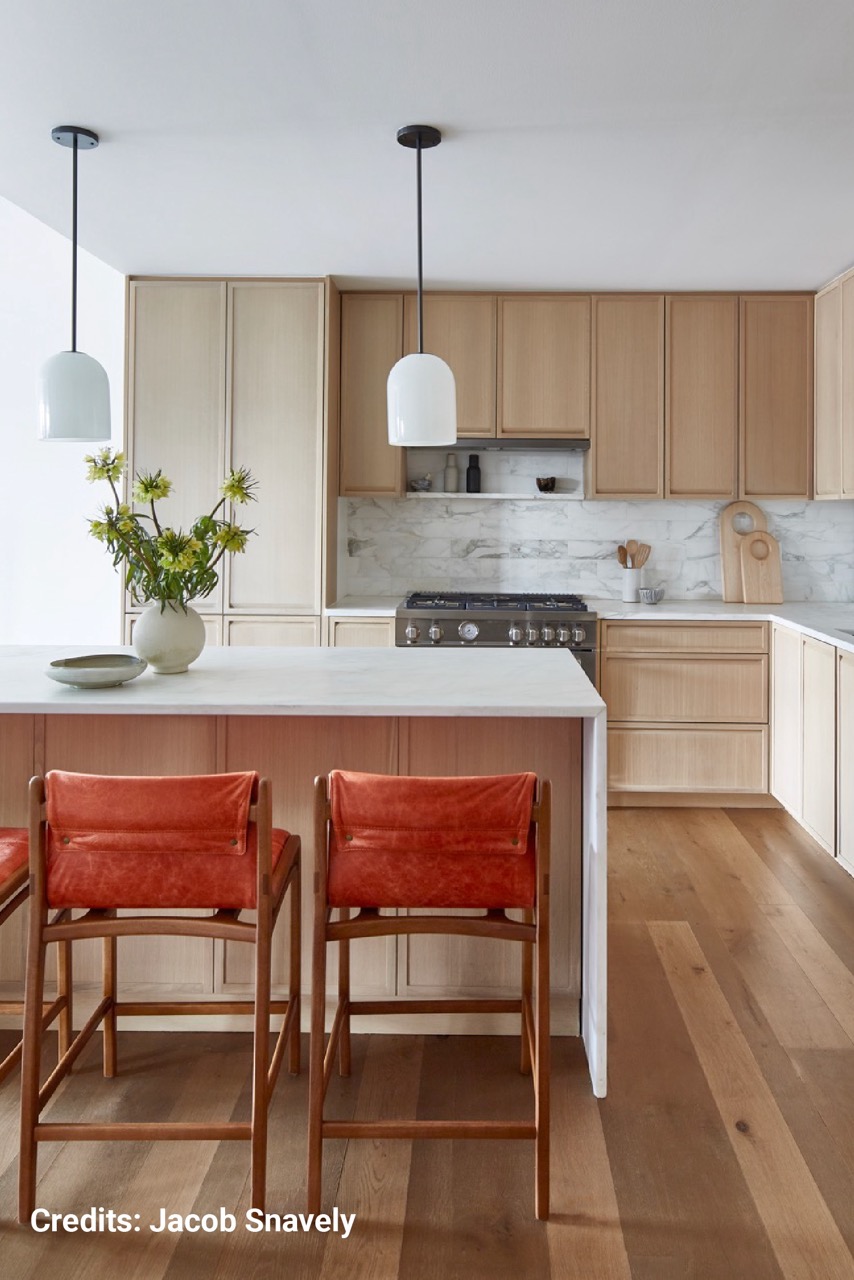
Tina describes her aesthetic as “contemporary, soulful minimalism.” The work is restrained, yet layered with meaning. Spaces are designed so clients can live surrounded by pieces that matter, often artisan crafted objects with story and personality. The goal is not excess, but depth.
Travel plays a critical role in shaping that depth. Paris markets, private residences in Madrid, and the rich green landscapes of Scotland all inform her eye. Being out of her element helps reset her perspective and refine her sensitivity to color, texture, and proportion.
The reality of running a studio
Daily life is less polished than the final photography suggests. There is no rigid split between administrative and creative time. Dogs wander into Zoom calls. Interruptions are constant. Tina manages her workload by setting realistic expectations for herself, aiming to complete one to three meaningful tasks each day rather than chasing an endless list.
She describes herself as naturally optimistic, which can sometimes lead to overestimating what can be accomplished. A strong team and trusted partners become essential. Long standing collaborators, including an upholsterer who works on nearly every project, provide continuity and reliability.
Burnout, reset, and perspective
By the end of the year, exhaustion sets in. Tina is candid about being “done” around that time. Shutting down the office for two weeks between Christmas and New Year’s allows space to recharge. Travel throughout the year also acts as a reset, offering distance from routine and the ability to return with clarity.
Celebrating wins and looking ahead
While she admits she tends to complete a project and move straight into the next without much pause, certain milestones stand out. A Georgetown residence that later appeared on the cover of House Beautiful marked a meaningful moment. Its success, she believes, stemmed from a strong bond with the client. Good people lead to successful projects.
Across every chapter, Tina’s journey reflects instinct, resilience, and a willingness to leap before the full picture is clear.