From Staffing to Studio Operations
Adam Ryan’s path into the world of interior design wasn’t through mood boards or material libraries, but through business strategy and finance. After running a staffing firm for over 13 years, he joined his wife Elizabeth at Elizabeth Ryan Interiors to lead the operations side of the business. Today, he oversees everything outside the design itself, from HR and legal to accounting and project management.
“Interior design is still a business,” Adam said. “A lot of small to mid-size businesses have similarities beyond what they actually produce for a client.” His experience with professional services laid the groundwork for building systems that allow the studio to thrive creatively without neglecting profitability or structure.
The Value of Process
A consistent theme in Adam’s work is repeatability. While each design is unique, the path to execution needs to be reliable. “Spending time reinventing the wheel on every project is just so wasteful,” he explained. Implementing and refining processes has been the studio’s biggest game changer, allowing them to triple their project volume without expanding the team.
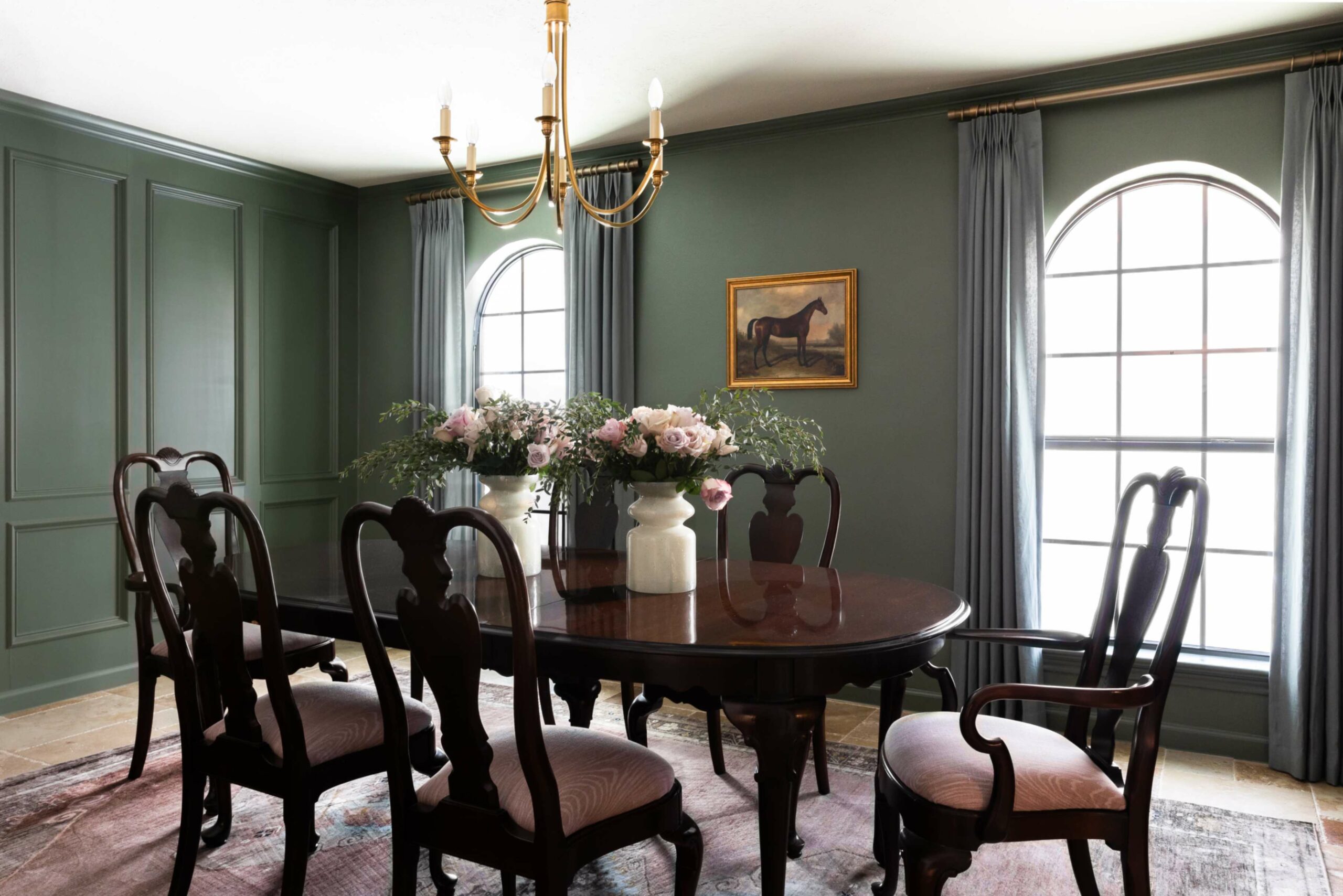
One practical example? A detailed paint schedule. With Elizabeth’s team known for using a wide range of color, mistakes in finishes or incomplete specifications could easily slow a project down. “It sounds so simplistic,” Adam said. “But when you’re busy and maybe someone doesn’t love getting into all the detail, they might just decide to do something that’s more fun that day and make an unanticipated unwelcome change.”
These types of systems give the creative team freedom to focus on what they do best, while the studio maintains consistent results.
Balancing Structure and Flexibility
Adam acknowledged that even with well-defined systems, the nature of design work sometimes demands flexibility. “That is hard for me,” he admitted. “But I’ve learned to have a lot of grace with that because not every process is going to fit every situation.” He emphasized the importance of being willing to listen when team members need to take a different path, as long as they can explain why it matters.
What’s Next
Looking ahead, Adam is exploring new software that can help consolidate tools like project tracking, design boards, and AutoCAD into one streamlined system. The goal is to increase efficiency and create the infrastructure to support thoughtful growth. “We’ve purposely kept our team small,” he said. “We’d like to grow some, but how can we grow with what we have while keeping the workload sustainable?”
Advice for Other Studios
When asked what he’d want to share with other designers, Adam offered this: do not neglect the business side. “That’s what’s going to make sure you can keep being a designer,” he said. “You can rely on other people who love that stuff. They won’t be any good at design, and that’s okay.”
Adam sees his role as one of support, helping build the systems and structure that empower Elizabeth and her team to stay focused on creative excellence. It is a behind-the-scenes role, but one that makes all the difference.